
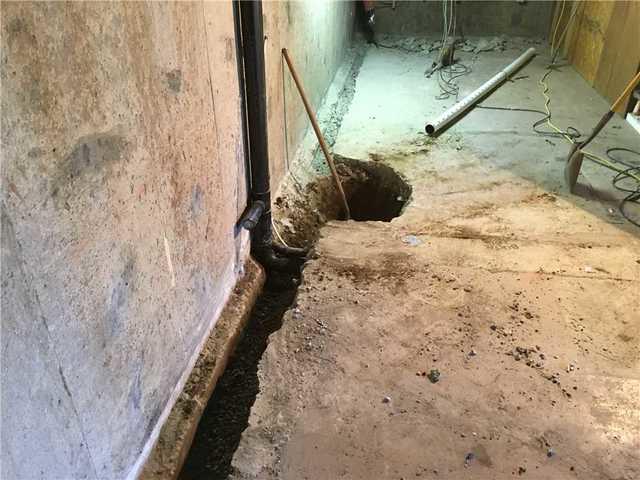
Basement waterproofing is essential for homeowners who want to prevent moisture problems, mold growth, and structural damage. A dry basement enhances the longevity of a home, maintains its value, and creates a healthier indoor environment. Various methods are employed to waterproof basements, depending on the source of water infiltration and the specific needs of the home. This article explores key basement waterproofing methods, including both interior and exterior techniques, as well as drainage solutions to maintain a moisture-free environment.
Exterior waterproofing is the first line of defense against water infiltration. This method involves addressing water at its source before it can penetrate the foundation walls. Here are the most common exterior waterproofing techniques:
Excavation involves digging around the perimeter of the home down to the foundation footing to expose the foundation walls. Once exposed, a waterproof membrane is applied to the exterior of the foundation. This membrane acts as a barrier to prevent water from seeping into the basement. Rubberized asphalt or polyurethane coatings are often used for this purpose due to their flexibility and durability.
An exterior French drain, also known as a weeping tile system, is installed around the foundation. This system consists of a perforated pipe laid in a trench filled with gravel. The pipe collects water from around the foundation and directs it away from the home to a designated drainage area. Installing an exterior drainage system reduces hydrostatic pressure, which is a major cause of basement leaks.
Proper grading of the land surrounding a home ensures that water flows away from the foundation rather than pooling around it. Slope correction and landscaping adjustments help direct water away, reducing the likelihood of basement flooding. Installing gutter extensions and downspout diverters also plays a key role in moving rainwater away from the foundation.
Interior waterproofing is often employed when water has already infiltrated the basement or if exterior solutions are not feasible. This method controls water once it has entered the home, preventing it from causing damage. The following interior waterproofing solutions are commonly used:
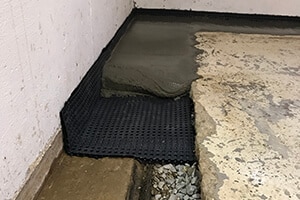 An interior drain tile system is one of the most effective interior waterproofing solutions. This method involves installing a perforated drain pipe along the inside perimeter of the basement floor. The drain pipe collects water that enters the basement, either through walls or up from the floor, and directs it to a sump pump, which removes the water from the basement. This system is installed beneath the basement floor, ensuring it remains hidden and unobtrusive.
A sump pump is a critical component of many interior waterproofing systems. It is installed in a sump pit, which collects excess water from the drain tile system or from water seeping through the basement floor. When the water level in the pit reaches a certain level, the pump activates and discharges the water away from the home through a drainpipe. Battery backup systems for sump pumps are essential to ensure the pump continues to work during power outages, which often accompany heavy storms.
Interior waterproofing coatings, such as cementitious coatings or epoxy-based sealants, are applied to basement walls and floors to create a moisture-resistant barrier. While not a standalone solution for severe water infiltration, these coatings are effective at sealing small cracks and pores in the concrete, preventing minor seepage. They work best when combined with other waterproofing methods.
Proper drainage systems play a vital role in keeping a basement dry. Drainage solutions help manage both surface water and groundwater, directing it away from the home and preventing it from accumulating near the foundation. Here are key drainage solutions for basement waterproofing:
French drains, whether installed inside or outside the foundation, are essential for managing groundwater. An exterior French drain is installed along the perimeter of the home, while an interior French drain is placed beneath the basement floor. These drains collect water and transport it away from the foundation, reducing hydrostatic pressure and preventing water from entering the basement.
Downspouts that discharge water too close to the foundation can contribute to basement leaks. Installing downspout extensions directs rainwater further away from the home, ensuring it does not pool near the foundation. A minimum of five to ten feet away from the home is recommended to prevent water from seeping into the ground near the foundation.
Surface drainage systems, such as channel drains or yard drains, are installed to capture and redirect water that collects around the home’s foundation. These systems are particularly useful for homes situated on flat terrain or in areas prone to heavy rainfall. Properly designed surface drainage ensures that water is quickly carried away from the home’s foundation, reducing the risk of basement leaks.
Cracks in foundation walls and basement floors are common entry points for water. Sealing these cracks is an essential part of any comprehensive waterproofing strategy. There are several methods to address foundation cracks:
Epoxy and polyurethane injections are commonly used to seal foundation cracks from the inside. These injections fill the cracks and create a waterproof seal, preventing water from entering the basement. Polyurethane injections are flexible and can expand to fill larger cracks, while epoxy injections provide structural strength to the foundation.
In cases where cracks indicate more serious structural issues, foundation crack repair may involve reinforcing the foundation with carbon fiber strips or steel beams. This type of repair not only addresses water infiltration but also strengthens the foundation to prevent further damage.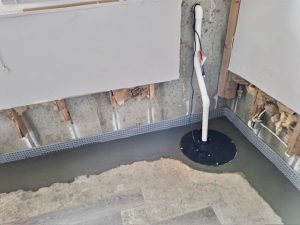
Waterproofing a basement is not a one-time solution. Regular maintenance is crucial to ensure that the waterproofing systems continue to function effectively. Preventative measures include:
Basement waterproofing is essential to maintaining the structural integrity and livability of a home. By employing a combination of exterior and interior waterproofing methods, as well as effective drainage solutions, homeowners can protect their basements from water damage and create a healthier, more comfortable living environment. Whether dealing with minor seepage or significant flooding, a comprehensive approach to basement waterproofing is the key to long-term success.
Contact the Professionals at Basement Repair Specialists Today! (855) 554-7246

Tom Trinko is the dedicated owner of Basement Repair Specialists, a company renowned for its expert solutions in basement and foundation repairs. With a strong commitment to excellence and customer satisfaction, Tom has led his team to become one of the leading providers in the industry. Under his guidance, Basement Repair Specialists have developed a reputation for their reliability, innovative repair techniques, and exceptional service. Tom’s leadership is defined by his vast industry knowledge, customer-first approach, and a steadfast dedication to providing homeowners with cost-effective, durable solutions for their basement and foundation needs. For more information about Tom Trinko and the services offered by Basement Repair Specialists, visit their website at https://basementrepairspecialists.com/.
Contact the Professionals at Basement Repair Specialists, LLC Today! (855) 554-7246