

As you prepare for the fall season, don’t overlook the importance of ensuring your basement remains dry. Did you know that regular checks for damp spots and musty smells, cleaning gutters, and maintaining your sump pump can help ward off water damage? How about weatherproofing windows and doors, or managing humidity levels with dehumidifiers? This is just the start of an extensive fall maintenance checklist. Stick around, we’ve got some valuable tips that could save you from costly moisture-related problems. Are you ready to make your basement a drier and safer space this fall?
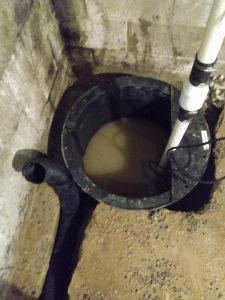 Regularly inspecting your basement for leaks is an essential part of fall maintenance.
You might think it’s a challenging task, but it’s simpler than you’d expect and it can save you a world of trouble. So, grab your flashlight and let’s get started.
Start by checking the walls and floor for damp spots or discoloration. If you notice any, it’s a clear sign that water is seeping in.
Don’t forget to check around your water heater and washing machine too, as these are common sources of leaks.
Next, inspect the window wells. Make sure they’re clean and free of debris.
If you notice water pooling, you may need to improve your drainage.
Also, pay attention to musty odors. They’re often your first clue that there’s a problem, even if you can’t see it.
If you smell something off, it’s time to call a professional.
Lastly, don’t ignore cracks in your walls or floor. Even small ones can let in water, especially during heavy fall rains.
Next on your checklist, let’s tackle the task of cleaning and unclogging your gutters.
We’ll cover the essentials for gutter cleaning, how to handle those pesky clogs, and preventative measures to keep your gutters flowing smoothly.
Shielding your basement from unwanted moisture begins at the top – with your gutters. Proper gutter maintenance is essential in the fall to protect your home’s foundation from water damage. Without regular cleaning, your gutters can become clogged with leaves, twigs, and other debris, causing water to overflow and seep into your basement.
Here’s a basic guide to help you with gutter cleaning. First, you’ll need a sturdy ladder, a gutter scoop or garden trowel, and a bucket to collect the debris. Remember, safety first. Always secure your ladder on solid, level ground and have someone spot you if possible.
Next, start at the downspouts and work your way towards the middle of the gutters. Scoop out debris and place it in your bucket. Periodically check the downspout to make sure water flows freely. If it doesn’t, you’ll need to clear it, but that’s a topic for another time.
Lastly, once the gutters are clean, flush them with a garden hose to clear any leftover debris. This will also help you spot any leaks.
Despite your best efforts at cleaning, gutter clogs can still occur and lead to major issues for your basement. When gutters clog, water overflows, potentially seeping into your basement and causing damage.
So, what should you do when you spot a clog? Initially, don’t panic. Clogs are common, especially during fall when leaves drop frequently.
Start by grabbing your ladder and gloves. Safety is paramount, so verify your ladder is firmly positioned. Use your gloved hand or a gutter scoop to remove the obstruction. It’s likely to be a mix of leaves, twigs, and other debris.
For stubborn clogs, consider using a plumber’s snake or a high-pressure hose nozzle. These tools can help dislodge and flush out the clog. Be gentle, though, as applying too much force can damage the gutters.
Lastly, after unclogging, give your gutters a quick rinse with a garden hose. This helps to confirm that water is flowing properly and that no minor clogs are left.
Managing gutter clogs isn’t fun, but it’s necessary. A little effort now can prevent more serious basement troubles later.
Regular gutter maintenance is your best defense against basement water problems. Neglected gutters can easily get clogged with leaves, twigs and other debris, causing water to overflow onto your basement walls and potentially causing severe damage.
Don’t let that happen to you!
Here’s a simple preventative maintenance checklist you can follow this fall:
You might not realize it, but your basement windows play an essential role in keeping your basement dry. They act as a barrier, preventing water from seeping into your basement. However, if they’re not properly sealed, they can become a liability, allowing water to leak in.
Start by checking your basement windows for any cracks or gaps. Even small fractures can lead to significant water leakage over time. If you find any, don’t worry. You can fix this issue by applying a high-quality exterior caulk to seal these openings.
Next, check the window wells. These should be clean and free of debris to facilitate proper drainage. If they’re filled with leaves or dirt, water can build up and eventually seep into your basement.
The table below summarizes the maintenance steps:
| Steps | Action Required |
|---|---|
| Check for cracks | Seal with caulk |
| Clean window wells | Remove debris |
In light of keeping your basement dry, your home’s landscaping might be a surprising factor to think about.
You’d be amazed how much your landscaping can impact the moisture levels in your basement. By taking a few preventative steps, you can guarantee your lawn’s natural elements work with you, not against you, in your battle against a damp basement.
It’s essential to review the slope of your yard. If it slopes towards your home, it could be directing water to your foundation and basement.
Take a look at your downspouts and gutters too. They should be free from debris and should direct water away from your house, not towards it.
Here are a few handy pointers to reflect on:
Let’s move on to an important aspect of basement maintenance – your sump pump.
You’ll want to know the essentials for cleaning it, understand how it should properly operate, and learn how to troubleshoot common problems.
Keep in mind, a well-maintained pump is key to keeping your basement dry this fall.
Without proper maintenance, your sump pump can easily fail, putting your dry basement at risk of flooding. Don’t allow this to happen! Regular cleaning is an essential part of sump pump upkeep, and it’s easier than you might think.
Firstly, make certain to disconnect the pump from its power source before you begin – safety’s paramount. Then, remove any debris that you can see in the sump pit. This could be anything from leaves to small toys that have accidentally fallen in.
Here are some simple steps to follow:
There you have it – easy steps to keep your sump pump clean and your basement dry. It’s a small investment of time that can save you from a potential disaster down the road.
Now that you’ve got your sump pump clean, it’s time to make certain it’s operating correctly. Proper operation of your sump pump is vital to keeping your basement dry, especially during the wet fall season.
First, you’ll want to check the float mechanism. This is what triggers the pump to start working when water levels rise. Confirm it’s not obstructed and moves freely. If it’s stuck or tangled, your pump won’t kick in when you need it.
Next, test the pump. Pour a bucket of water into the sump pit. The pump should start automatically and the water should drain quickly. If this doesn’t happen, there’s an issue you need to address.
Remember to check the outlet pipes. Make sure they’re tightly connected and draining at least 20 feet away from your foundation. If they’re too close, they could just recycle water back into your basement.
Finally, listen to your pump. If it’s making strange noises, it could be a sign of worn or damaged parts. Don’t ignore these sounds – they’re your early warning system.
Stay vigilant with these checks and you’ll keep your basement dry this fall.
As a homeowner, encountering sump pump issues can be a real headache.
You’ll need to be proactive in diagnosing and resolving these problems to maintain a dry basement.
Let’s explore troubleshooting common pump problems.
First, it’s vital to regularly inspect your sump pump.
It’s not a “set and forget” device. Regular checks can help identify potential issues before they become major problems.
There are several common problems you might encounter with your sump pump. Here are a few:
Every single door leading to your basement plays an essential role in maintaining a dry environment. If the doors aren’t properly weatherstripped, you’re inviting moisture and cold air inside, which can cause dampness and mold growth, making your basement a less-than-ideal space.
Weatherstripping is a simple, yet effective solution to this problem. Weatherstripping seals the gaps around your doors, preventing moisture from seeping in. It’s a DIY task that doesn’t require much time or effort, but the results can be significant.
Here’s a simple table to help you understand the importance of this task:
| Before Weatherstripping | After Weatherstripping |
|---|---|
| Cold drafts in basement | Warm and dry basement |
| High energy bills | Reduced energy bills |
| Potential for mold growth | Lower risk of mold |
| Uncomfortable conditions | Comfortable living space |
| Dampness and moisture | Dry and cozy basement |
In the quest for a dry basement, don’t overlook the importance of insulating exposed pipes. Cold weather can cause uninsulated pipes to freeze, leading to water damage if they burst.
Insulation also reduces condensation, which can lead to mildew and mold in your basement.
You’d be surprised at how simple the process is. All you need is some insulation foam, a utility knife, and a bit of time.
Here’s a quick rundown of the steps involved: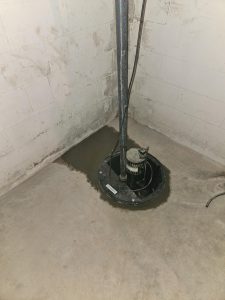
Regularly testing your basement’s humidity levels is an essential part of maintaining a dry basement. Humidity refers to the amount of water vapor in the air, and high levels can cause multiple problems, including mold growth and damage to your home’s structure.
You’re probably wondering how to test humidity levels, right? It’s simpler than you might think. You can easily do it with a hygrometer, a device that measures the amount of moisture in the air. You can find these at most home improvement stores.
Place it in your basement for 24 hours, then check the reading. If the humidity level is above 50%, you’ll need to take steps to reduce it.
To lower humidity levels, consider using a dehumidifier, improving ventilation, or using moisture-absorbing products. Seal any cracks in your basement’s walls and floors, as these can also contribute to high humidity levels.
Staying ahead of the game is key to keeping your basement dry this fall. Don’t wait for leaks or musty smells to start your maintenance. Keep those gutters clear, check your windows and doors, and don’t forget about landscaping and sump pump upkeep. Insulate exposed pipes and monitor your basement’s humidity levels. By following this checklist, you’ll be doing your part to prevent moisture-related problems and keep your basement in tip-top shape.

Tom Trinko is the dedicated owner of Basement Repair Specialists, a company renowned for its expert solutions in basement and foundation repairs. With a strong commitment to excellence and customer satisfaction, Tom has led his team to become one of the leading providers in the industry. Under his guidance, Basement Repair Specialists have developed a reputation for their reliability, innovative repair techniques, and exceptional service. Tom’s leadership is defined by his vast industry knowledge, customer-first approach, and a steadfast dedication to providing homeowners with cost-effective, durable solutions for their basement and foundation needs. For more information about Tom Trinko and the services offered by Basement Repair Specialists, visit their website at https://basementrepairspecialists.com/.
Contact the Professionals at Basement Repair Specialists, LLC Today! (855) 554-7246