
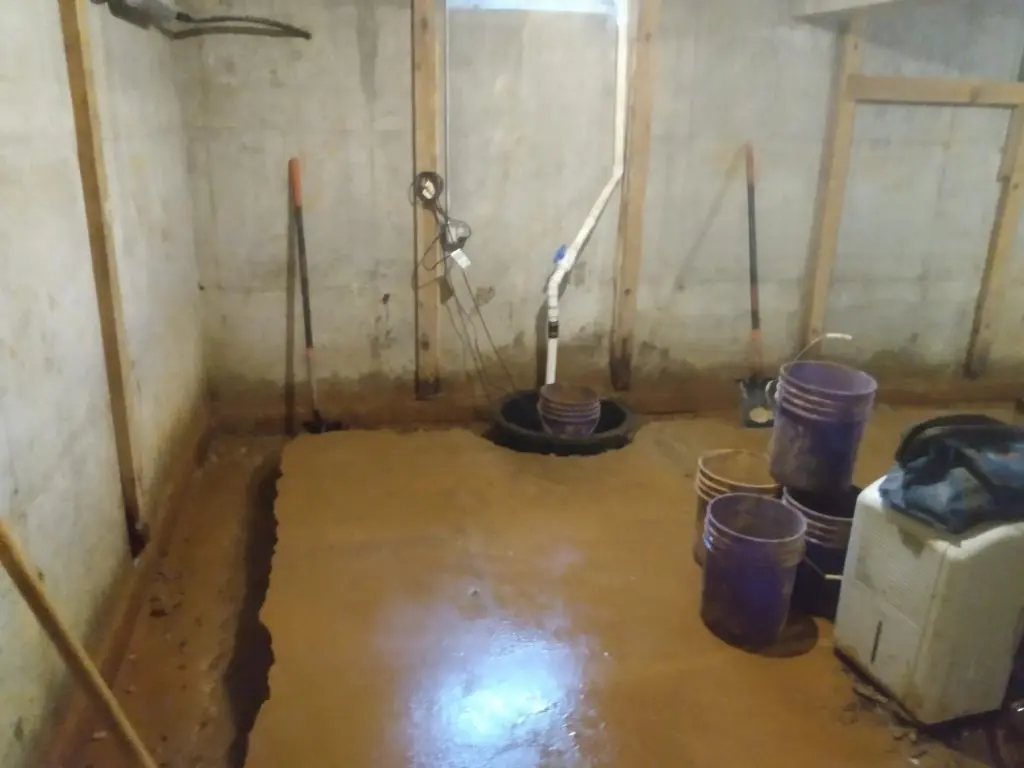
As a homeowner in Appleton, WI, you’re no stranger to the havoc that heavy rainfalls can wreak on your home, particularly your basement. It’s essential that you’re proactive in protecting your home from basement flooding, which can lead to costly damages and compromise the structural integrity of your property. You’ve got a range of strategies at your disposal, from routine inspections, effective waterproofing techniques, to landscape alterations. Interested in learning more about these methods? Stick around, the best methods to keep your basement dry, even in the heaviest downpours, are just around the corner.
Examining the causes of basement flooding can be an eye-opening experience. You may think it’s just a problem during heavy rainfall, but it’s often much more than that. Your home’s drainage systems and moisture barriers play a significant role in keeping your basement dry.
First, consider your drainage systems. They’re designed to divert water away from your house. If they’re blocked or poorly designed, they can’t do their job properly, leading to water pooling around your home’s foundation and, eventually, seeping into your basement.
You’ll want to ensure your gutters and downspouts are clean and channel water at least six feet away from your home.
Next, look at your moisture barriers. These are materials applied to the exterior walls of your basement to prevent water from penetrating. If these barriers are damaged or missing, moisture can easily find its way in, causing dampness and potential flooding.
To keep your home protected from basement flooding, regular inspections are crucial. These aren’t just cursory glances but involve a detailed check-up of your home’s foundation and drainage systems. They serve as your first line of defense against potential water damage.
Routine assessments should include:
Don’t neglect your routine assessments. They’re essential in spotting potential issues early, saving you from costly repairs and stress.
Remember, moisture detection is key in these inspections. It’s always better to prevent a flood than to deal with its aftermath.
Stay tuned for our next segment on “Necessary Basement Waterproofing Techniques”.
After implementing regular home inspections, you may find you need to take further action. Your next logical step is to waterproof your basement. There are two main techniques that are effective and efficient: drainage solutions and the application of waterproof membranes.
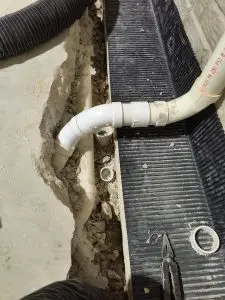
Drainage solutions help to direct water away from your home’s foundation. These can range from simple gutter adjustments to more complex underground drainage systems. It’s crucial to ensure any drainage system is well-maintained to prevent blockages.
On the other hand, waterproof membranes serve as a barrier, preventing water from seeping through your basement walls. These membranes are typically applied externally on the basement walls, effectively sealing them from the dampness of the surrounding soil.
To help you visualize, here’s a table summarizing these techniques:
| Technique | Description |
|---|---|
| Drainage Solutions | Direct water away from home’s foundation |
| Waterproof Membranes | Applied externally on basement walls to prevent seepage |
Ever thought about a sump pump system for your basement? If not, it’s high time you did.
Installing a sump pump system is one of the most effective ways to protect your home from basement flooding. This system works by collecting and removing excess water from your basement, thereby keeping it dry and safe.
There are various sump pump types available, each with its own benefits and installation process.
You’ve got:
The installation process can be a DIY project if you’re handy, but a professional installation ensures the system is installed correctly and efficiently.
They’ll determine the best location for the pump, dig a pit for it, install the system, and ensure it’s connected to a drainage line.
Beyond the walls of your home, your landscape plays a crucial role in preventing basement floods. It’s not just about aesthetics; it’s about safeguarding your home. Proper landscaping and drainage solutions can significantly reduce the risk of water seeping into your basement.
The first step is soil grading. This is the process of sloping your yard away from your home to redirect rainwater. You’ll want a gradient that falls at least 6 inches within the first 10 feet from your home’s foundation. By doing this, you’re directing stormwater away from your home, preventing it from pooling around the base and seeping into your basement.
But soil grading isn’t the only game in town. Other drainage solutions like installing French drains, rain gardens, or swales can be effective, too. These systems work by providing an avenue for water to flow away from your home. French drains, for instance, are underground pipes that collect and channel water away from your property.
It’s important to remember that every home is different, so what works for one may not work for another. Consulting with a professional can help you determine the best landscape adjustments for flood prevention in your home.
Immediately after a basement flood, you’d need to activate your emergency response plan.
First, disconnect electricity and gas to the area. Then, document the flood damage for insurance purposes.
You’ve got to remove water quickly but safely. Dry and dehumidify the area to prevent mold growth.
Don’t forget to sanitize everything. In case it’s severe, you might want to call a professional restoration service.
When you’re looking at your homeowners insurance, it’s key to know that it doesn’t typically cover basement flooding.
You’d need flood insurance for that. Even then, you’ll want to check your policy’s coverage limits.
Some policies mightn’t cover everything in your basement, especially if you’ve got expensive items down there.
It’s crucial to understand your policy to avoid unpleasant surprises later.
To safeguard your electronics from water damage, consider using electronic storage solutions that are waterproof.
You should also elevate your electronics off the floor. It’s essential you unplug and move any electronics at the first sign of water.
Waterproof containers can provide an added layer of protection. Regularly check for potential leaks, too.
Ultimately, being proactive can save you a lot of hassle and money.
Absolutely! When choosing building materials for your basement, it’s crucial to pick flood resistant materials.
Concrete, metal, and plastic products are great choices as they’re less susceptible to water damage.
Additionally, you’ll want to apply waterproof coatings to walls and floors. This ensures that even if water does get in, it won’t permeate these surfaces, adding an extra layer of protection for your home.
After a flood, it’s crucial to start the cleanup process quickly.
You’ll need to remove standing water, dry out the space, and disinfect all surfaces. Use a pump or wet vacuum for water removal.
Then, air out the space using fans and dehumidifiers. Sanitize with a solution of bleach and water.
Don’t forget to wear protective gear during flood recovery to prevent contact with harmful bacteria and mold spores.
So, you’ve got the tools to protect your home from basement flooding in Appleton, WI. Regular inspections, effective waterproofing, and smart landscaping can make all the difference. Remember to check your sump pump, clean those gutters, and keep an eye out for foundation cracks. With these strategies, you’ll ensure your home remains safe and dry, even during the heaviest downpours. Don’t wait for the rain to start—get proactive and safeguard your basement today!

Tom Trinko is the dedicated owner of Basement Repair Specialists, a company renowned for its expert solutions in basement and foundation repairs. With a strong commitment to excellence and customer satisfaction, Tom has led his team to become one of the leading providers in the industry. Under his guidance, Basement Repair Specialists have developed a reputation for their reliability, innovative repair techniques, and exceptional service. Tom’s leadership is defined by his vast industry knowledge, customer-first approach, and a steadfast dedication to providing homeowners with cost-effective, durable solutions for their basement and foundation needs. For more information about Tom Trinko and the services offered by Basement Repair Specialists, visit their website at https://basementrepairspecialists.com/.
Contact the Professionals at Basement Repair Specialists, LLC Today! (855) 554-7246