give us a call (24/7) at, brs logo
Give us a call (24/7) at

Call Basement Repair Specialists Today for Expert Foundation Repair(855) 554-7246

A Great Job at a Great Price!®

Proven Foundation Repair Methods for Lasting Home Stability

Basement with visible cracks in the walls, showing signs of moisture and potential foundation issues, relevant to foundation repair methods and basement waterproofing services.

A solid foundation is the cornerstone of any building, providing stability and support. Over time, various factors can cause foundation problems, leading to structural damage and safety concerns. Addressing these issues promptly with appropriate foundation repair methods is crucial to maintaining the integrity and value of your home. This article explores the common foundation problems, the various repair methods available, and their benefits, offering a comprehensive guide for homeowners.

Understanding Foundation Problems

Foundation problems can manifest in several ways, each indicating potential underlying issues. Recognizing these signs early is essential for timely intervention and repair. Common foundation problems include:
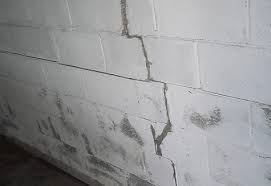
  1. Cracks in Walls and Floors: While small hairline cracks are normal as a house settles, larger cracks, especially those that widen over time, can indicate significant foundation movement.Cracked concrete wall indicating potential foundation problems, highlighting the importance of timely foundation repair methods for home stability.
  2. Uneven or Sloping Floors: Floors that are uneven or sloping can signal foundation settlement or movement.
  3. Doors and Windows That Stick: Difficulty in opening or closing doors and windows can result from foundation shifts causing misalignment.
  4. Gaps Around Window Frames or Exterior Doors: These gaps can indicate that the foundation has moved, causing the walls to shift.
  5. Foundation Upheaval: This occurs when the foundation moves upward due to soil expansion, often caused by excess moisture.
  6. Foundation Settling or Sinking: This happens when the foundation sinks into the ground, usually due to soil compaction or erosion.

Causes of Foundation Problems

Understanding the causes of foundation problems is essential for determining the appropriate repair method. The primary causes include:

  1. Soil Movement: Expansive soils, such as clay, expand and contract with moisture changes, exerting pressure on the foundation.
  2. Water Damage: Poor drainage, plumbing leaks, or high water tables can lead to water infiltration and soil erosion around the foundation.
  3. Tree Roots: Roots from large trees can grow beneath the foundation, causing soil displacement and structural damage.
  4. Poor Construction: Inadequate foundation design, improper compaction, or use of substandard materials can lead to foundation issues.
  5. Natural Disasters: Earthquakes, floods, and other natural disasters can cause significant foundation damage.

Foundation Repair Methods

Various foundation repair methods are available, each suited to specific types of foundation problems and soil conditions. The most common repair methods include:

1. Piering

Piering, also known as underpinning, involves driving steel or concrete piers into the ground beneath the foundation to stabilize and lift it. This method is highly effective for homes experiencing settlement or sinking.

  • Steel Piers: These are driven deep into the soil until they reach stable bedrock or load-bearing strata. The foundation is then lifted to its original level using hydraulic jacks.
  • Helical Piers: These piers have helical plates welded to the shaft, allowing them to be screwed into the ground. They are ideal for lighter structures or areas with challenging soil conditions.

Advantages:

  • Provides long-term stability.
  • Can be used in various soil conditions.
  • Minimal disruption to the property.

Disadvantages:

  • Can be expensive.
  • Requires professional installation.

2. Slab Jacking

Slab jacking, also known as mud jacking or concrete leveling, is used to lift sunken concrete slabs back to their original position. This method is suitable for repairing sidewalks, driveways, patios, and foundation slabs.

  • Process: A mixture of cement, sand, and other materials is pumped through small holes drilled into the sunken slab. The mixture fills the voids beneath the slab and lifts it back into place.

Advantages:

  • Cost-effective compared to replacing the concrete.
  • Quick and minimally invasive.
  • Provides immediate results.

Disadvantages:

  • Not suitable for large foundation problems.
  • The injected material may not last as long as the original concrete.

3. Wall Anchors

Wall anchors are used to stabilize and straighten bowed or leaning basement walls caused by soil pressure or water damage.

  • Process: Anchors are installed by driving steel rods through the wall and into the soil outside the foundation. The rods are then connected to wall plates inside the basement, and the system is tightened to straighten and stabilize the wall.

Advantages:

  • Effective for stabilizing bowed walls.
  • Minimal disturbance to the home’s interior.
  • Can be adjusted over time.

Disadvantages:

  • Requires excavation outside the foundation.
  • Can be challenging to install in confined spaces.

4. Carbon Fiber Reinforcement

Carbon fiber reinforcementis a modern technique used to strengthen and stabilize cracked or bowed foundation walls.

  • Process: Strips of carbon fiber are bonded to the wall using a high-strength epoxy. The carbon fiber provides additional tensile strength, preventing further movement or cracking.

Advantages:

  • Non-invasive and quick to install.
  • High strength-to-weight ratio.
  • Low profile, allowing for easy finishing or covering.

Disadvantages:

  • Suitable only for walls with minor to moderate damage.
  • Cannot correct significant wall movement or displacement.

5. Foundation Replacement

In severe cases where the foundation is extensively damaged or failing, a complete foundation replacement may be necessary.

  • Process: The structure is temporarily supported while the existing foundation is removed and replaced with a new one. This method is typically a last resort due to its complexity and cost.

Advantages:

  • Provides a brand-new foundation.
  • Resolves all underlying foundation issues.

Disadvantages:

  • Highly disruptive and expensive.
  • Requires significant time and effort.

6. Grouting

Grouting involves injecting a mixture of water, cement, and other materials into the soil beneath the foundation to fill voids and stabilize the ground.

  • Compaction Grouting: This technique compacts the soil, increasing its density and stability.
  • Permeation Grouting: A fluid grout is injected to fill the voids in the soil, providing additional support to the foundation.

Advantages:

  • Effective for stabilizing loose or weak soils.
  • Can be used in conjunction with other repair methods.

Disadvantages:

  • Requires specialized equipment and expertise.
  • Not suitable for all soil types.

7. Drainage Improvements

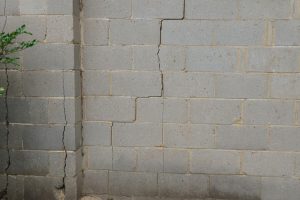
Improving the drainage around the foundation can help prevent water-related foundation problems. Common drainage improvement methods include:Cracked exterior brick wall indicating potential foundation issues, relevant to foundation repair methods and stabilization techniques.
  • Installing French Drains: These are perforated pipes buried around the foundation to redirect water away from the house.
  • Gutter and Downspout Maintenance: Ensuring gutters and downspouts are clean and directing water away from the foundation.
  • Grading: Ensuring the ground slopes away from the foundation to prevent water pooling.

Advantages:

  • Prevents water from accumulating around the foundation.
  • Can be combined with other repair methods for comprehensive protection.

Disadvantages:

  • May require ongoing maintenance.
  • Effectiveness depends on proper installation.

Choosing the Right Foundation Repair Method

Selecting the appropriate foundation repair method depends on various factors, including the type and extent of the damage, soil conditions, and the specific needs of the homeowner. A thorough inspection by a qualified foundation repair specialist is essential to diagnose the problem accurately and recommend the best course of action.

Contact the Professionals at Basement Repair SpecialistsToday!(855) 554-7246

Contact the Professionals at Basement Repair Specialists, LLC Today! (855) 554-7246