
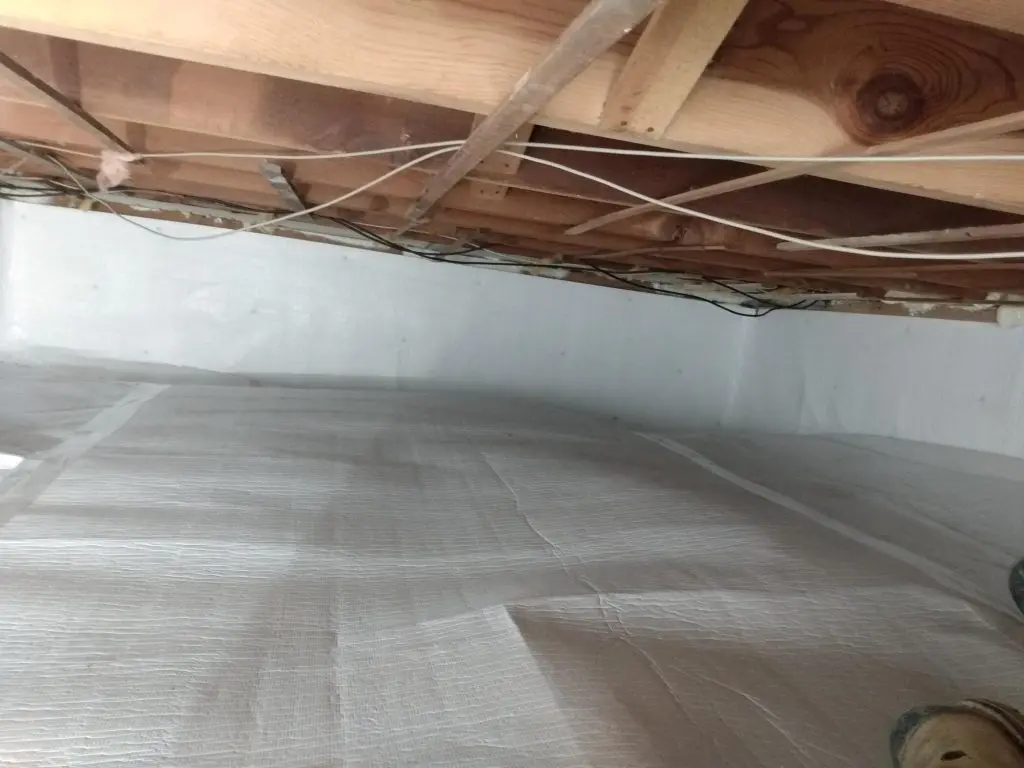
Have you ever considered how encapsulation could greatly boost the resale value of your home? It’s not just about sealing off your crawl space or basement; it’s about safeguarding your investment. By providing ample protection against moisture, pests, and harmful pollutants, encapsulation can enhance the structural integrity of your property. Plus, it can improve your home’s energy efficiency, leading to lower utility bills. Now, wouldn’t you be curious to learn how such a practical upgrade could make your home more appealing to prospective buyers and potentially speed up a sale?
You’re probably wondering, “Why do I need this?” Well, it’s simple. This process can provide several benefits that could potentially increase your home’s resale value.
For one, home encapsulation can help maintain your home’s structural integrity. By covering your crawl space or basement, you’re preventing any potential damage that could be caused by external elements like pests or weather conditions.
Moreover, it can also improve the overall air quality in your home. By sealing these areas, you’re reducing the chances of harmful pollutants entering your living space. This not only provides a healthier environment for you and your family, but it can also be a strong selling point for potential buyers.
Controlling moisture plays a pivotal role in home encapsulation. You might wonder why. It’s simple. Moisture can lead to multiple issues in your home, including mold growth, wood rot, and poor air quality.
These problems don’t just affect your living conditions – they can greatly decrease your home’s resale value.
Consider this: potential buyers walk in and immediately notice a damp, musty smell. They see stained walls or ceilings and sense the dampness in the air. These are clear signs of excessive moisture, and they’re instant turn-offs. No one wants to buy a home with these problems, and if they do, they’ll want a hefty discount.
Encapsulation helps control moisture in your home. It creates an airtight barrier that prevents moisture from seeping into your living spaces. This means no mold, no wood rot, and better air quality.
You might be wondering how encapsulation can boost your home’s energy efficiency.
Well, it’s all about insulation and air-sealing that can lead to significant cost savings.
Let’s explore the benefits and analyze the cost-savings that you stand to gain with energy encapsulation.
Ever wonder why energy encapsulation is such a hot topic in modern home improvement? Well, it’s because it offers significant benefits, especially when you’re looking to enhance your home’s energy efficiency and resale value.
First off, energy encapsulation can drastically reduce your energy consumption, and who doesn’t love lower utility bills? By sealing off your home’s crawl spaces and attic, you’re preventing air leakage, which can account for a significant portion of a home’s energy waste. This process keeps the warm air in during winter and the cool air in during summer, meaning your heating and cooling systems won’t have to work as hard.
Secondly, energy encapsulation improves indoor air quality. Unsealed spaces are often sources of allergens, dust, and moisture, which can lead to mold growth. By encapsulating these areas, you’re eliminating these issues, leading to a healthier living environment.
Lastly, encapsulation can increase your home’s longevity. It protects your home from structural damage caused by moisture and pests, ensuring you’ll have fewer costly repairs in the future.
These are just a few reasons why energy encapsulation is a worthwhile investment for any homeowner.
Investing in energy encapsulation might initially seem like a significant expense. However, it’s important to evaluate the long-term savings it can offer. You’re not just paying for installation; you’re investing in a more energy-efficient home.
Energy encapsulation works by creating a barrier that keeps your home’s temperature consistent, reducing your reliance on heating and cooling systems.
Imagine cutting down your energy bills by a significant margin every month. Over the years, those savings add up. The initial cost of encapsulation is quickly offset by the continuous savings on energy bills. You’re not just saving money; you’re also contributing to a greener environment by reducing your home’s energy consumption.
Moreover, encapsulation can increase your home’s resale value. Potential buyers appreciate energy-efficient homes because they understand the long-term savings. They’re willing to pay more upfront for a home that promises lower utility bills.
So, while the upfront cost of encapsulation may seem steep, it’s a smart investment. You’ll recoup your money through energy savings and increased home value when it’s time to sell.
Let’s consider the benefits of pest protection offered by encapsulation.
You’ll see how the process works and why it’s so effective.
More importantly, you’ll understand how it can boost your home’s resale value.
Shielding your home from pests through encapsulation not only guarantees a pest-free environment but also greatly enhances the resale value of your property.
Let’s explore the multiple benefits this offers to you as a homeowner:
Encapsulation isn’t just a quick fix; it’s a long-term solution that gives you peace of mind and adds value to your home.
You’ll enjoy the benefits now, and when it’s time to sell, you’ll reap the rewards of your investment.
Delving into the encapsulation process, you’ll soon realize it’s an all-encompassing approach to pest management. Fundamentally, encapsulation involves sealing off your home’s crawl spaces and basements to form a barrier against pests. It’s not just about slapping on some insulation and calling it a day.
First, professionals assess your home, identifying areas prone to pest intrusions. Next, they seal these areas using a special material that not only provides insulation but also prevents pests from infiltrating your home. This material is tough, durable, and resistant to mold and mildew, ensuring it can stand up to pests and harsh weather conditions.
But the encapsulation process doesn’t stop there. It also includes installing a dehumidifier in your crawl space or basement. This keeps moisture levels low, making it an inhospitable environment for pests. It’s a smart move, as pests love moist, dark places.
In the end, encapsulation offers a thorough approach to keeping pests out of your home. It doesn’t just deter them; it creates a physical barrier they can’t penetrate. So, if you’re tired of dealing with pesky invaders, encapsulation might be the solution you’ve been looking for.
By investing in encapsulation, you’re not only fortifying your home against pests, but also potentially boosting its resale value.
When potential buyers tour homes, they’re not just looking for a pretty facade. They want a home that’s sturdy, resistant, and won’t give them any nasty surprises down the line. Encapsulation offers that assurance.
Given the many benefits of encapsulation, here are four reasons why it positively impacts your home’s resale value:
Consider this: encapsulation can greatly improve your indoor air quality. It’s a process that involves sealing off various areas in your home, including crawl spaces and basements, to prevent moisture and external pollutants from entering.
When you encapsulate, you’re fundamentally creating a barrier against mold, mildew, and other allergens that can infiltrate your home and compromise the air you breathe.
When you’ve got mold and mildew in your air, it’s not just unpleasant—it’s unhealthy. These harmful substances can cause a range of health issues, from allergies and asthma to more serious respiratory conditions.
Plus, it’s not just about what you can see or smell. Invisible, odorless gases like radon can sneak into your home through unsealed areas. By encapsulating, you’re reducing these risks, creating a healthier living environment for you and your family.
Encapsulation also helps control pests by blocking entry points into your home. This means fewer creepy crawlies, and less exposure to the diseases they can carry.
Beyond just boosting your home’s resale value and improving your health, encapsulation can greatly enhance your overall comfort.
With encapsulation, you’re investing in a more comfortable living environment. It’s not just about monetary gains, it’s about experiencing a better quality of life in your own home.
Here’s how encapsulation enhances home comfort:
In short, encapsulation isn’t just a smart choice for your wallet, it’s a smart choice for your well-being.
So, think about it not just as an investment in your property, but also an investment in your comfort and quality of life.
It’s time you took the leap and experienced the benefits for yourself.
When you’re preparing to put your home on the market, encapsulation can greatly influence the outcome of your property appraisal. It’s not just about aesthetics or comfort; encapsulation adds tangible value.
Think of it this way: you’re not just selling a structure; you’re selling a well-maintained, energy-efficient home. Encapsulation contributes to this image, effectively making your home more appealing to potential buyers and appraisers. An encapsulated space demonstrates foresight, suggesting that the home has been cared for with attention to longevity and efficiency.
It’s these qualities that appraisers look for when determining a property’s value. Furthermore, encapsulation can lead to reduced maintenance and energy costs, which are factors that appraisers strongly consider. They’re aware that buyers are on the lookout for energy-efficient homes that won’t require hefty maintenance costs down the line.
So, an encapsulated home is more likely to receive a higher appraisal value compared to similar homes that lack encapsulation. Fundamentally, encapsulation is an investment that can pay off when you’re looking to sell, making it a smart move for boosting your home’s resale value.
In the next section, we’ll look at some concrete examples in our case studies.
Although you might still have some doubts, real-life examples can clarify encapsulation’s impact on resale value.
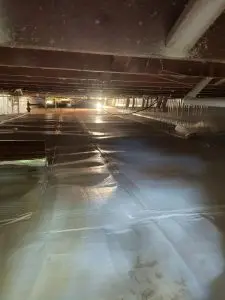
See, encapsulation’s not just about solving immediate problems—it’s an investment.
It enhances your home’s comfort, efficiency, and most importantly, its resale value.
So, you’ve got it, haven’t you? Encapsulation isn’t just some fancy term. It’s a smart investment to boost your home’s resale value. It wards off moisture, pests, and pollutants, and lowers your energy bills too. Your home will not only feel more comfortable, but it’ll also catch the eye of potential buyers. With encapsulation, you’re truly protecting and enhancing your home’s value. Isn’t it time to contemplate encapsulation for your home?

Tom Trinko is the dedicated owner of Basement Repair Specialists, a company renowned for its expert solutions in basement and foundation repairs. With a strong commitment to excellence and customer satisfaction, Tom has led his team to become one of the leading providers in the industry. Under his guidance, Basement Repair Specialists have developed a reputation for their reliability, innovative repair techniques, and exceptional service. Tom’s leadership is defined by his vast industry knowledge, customer-first approach, and a steadfast dedication to providing homeowners with cost-effective, durable solutions for their basement and foundation needs. For more information about Tom Trinko and the services offered by Basement Repair Specialists, visit their website at https://basementrepairspecialists.com/.
Contact the Professionals at Basement Repair Specialists, LLC Today! (855) 554-7246