The foundation is the backbone of any building, providing support and stability to the entire structure. However, it is also one of the most vulnerable areas when it comes to water damage. Water infiltration can compromise the integrity of the foundation, leading to structural issues, mold growth, and other costly repairs. Foundation waterproofing is essential for safeguarding your home against moisture intrusion and ensuring its longevity. In this comprehensive guide, we’ll explore the importance of foundation waterproofing, common causes of water damage, effective waterproofing methods, and practical tips for maintaining a dry and stable foundation.
The Importance of Foundation Waterproofing
Foundation waterproofing is crucial for several reasons:
- Preventing Structural Damage: Water infiltration can weaken the foundation, leading to cracks, settling, and other structural issues that compromise the stability of the building.
- Preventing Mold and Mildew: Moisture in the foundation can create an ideal environment for mold and mildew growth, which can pose health risks to occupants and cause further damage to the structure.
- Preserving Property Value: A dry and well-maintained foundation adds value to your home and reduces the risk of costly repairs and renovations in the future.
- Protecting Belongings: Moisture in the foundation can damage belongings stored in basements or crawl spaces, such as furniture, electronics, and sentimental items.
Common Causes of Foundation Water Damage
Understanding the common causes of foundation water damage is essential for effective waterproofing. These include:
- Poor Exterior Drainage: Improper grading around the foundation, clogged gutters and downspouts, and inadequate exterior drainage systems can allow water to pool around the foundation and seep into the soil.
- Cracks in the Foundation: Cracks in the foundation walls or floor can provide a pathway for water to enter the foundation, especially during periods of heavy rainfall or flooding.
- Hydrostatic Pressure: Hydrostatic pressure, caused by water-saturated soil pressing against the foundation walls, can force water through cracks or gaps in the foundation.
- High Groundwater Levels: Homes located in areas with high groundwater tables are more susceptible to foundation water damage, especially during periods of heavy rainfall or flooding.
Effective Foundation Waterproofing Methods
Several effective foundation waterproofing methods can help protect your home from water damage:
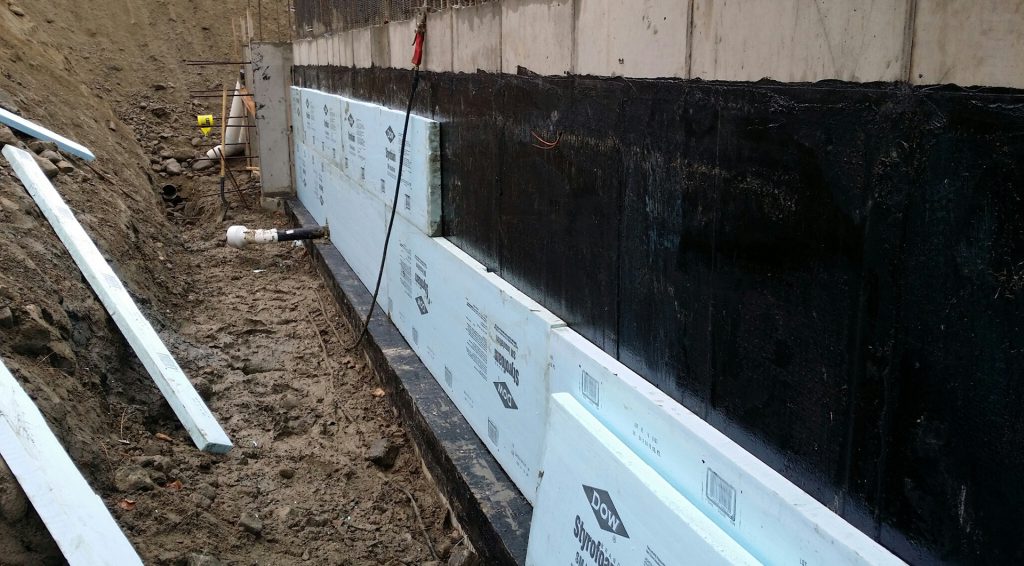
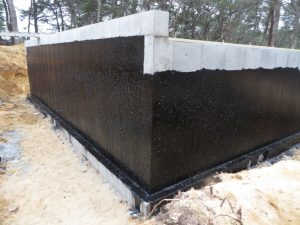
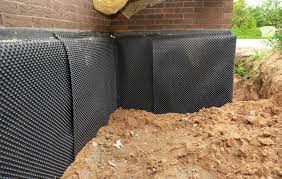
- Exterior Waterproofing: Exterior waterproofing involves applying waterproofing membranes or coatings to the exterior surface of the foundation walls to prevent water infiltration.
- Interior Waterproofing: Interior waterproofing methods focus on managing water that has already entered the foundation. This may include installing interior drainage systems, such as French drains or sump pumps, to collect and redirect water away from the foundation.
- Crack Injection: Crack injection involves injecting epoxy or polyurethane sealants into cracks in the foundation walls to seal them and prevent water from entering the foundation through the cracks.
- Crawl Space Encapsulation: If your home has a crawl space, encapsulation involves sealing the crawl space with a moisture barrier to prevent moisture from entering the foundation through the crawl space.
- Foundation Repair: In some cases, waterproofing may involve repairing damaged or deteriorating foundation walls to prevent water infiltration.
Tips for Foundation Waterproofing
Here are some practical tips for effective foundation waterproofing:
- Maintain Proper Exterior Drainage: Ensure that gutters and downspouts are clean and properly functioning, and that the ground around the foundation slopes away from the house to prevent water from pooling near the foundation.
- Seal Foundation Cracks: Inspect the foundation walls and floor for cracks and seal them with waterproofing sealant to prevent water infiltration.
- Install Interior Drainage Systems: Consider installing interior drainage systems, such as French drains or sump pumps, to manage water that has already entered the foundation and redirect it away from the foundation.
- Improve Ventilation: Proper ventilation is essential for reducing humidity levels in the foundation and preventing condensation. Consider installing vents, exhaust fans, or a dehumidifier to improve airflow and reduce moisture buildup.
- Regular Maintenance: Perform regular inspections of your foundation for signs of water infiltration, mold growth, or structural damage, and address any issues promptly to prevent further damage.
Foundation waterproofing is essential for protecting your home from water damage and ensuring its longevity. By understanding the common causes of foundation water damage, effective waterproofing methods, and practical tips for maintaining a dry and stable foundation, homeowners can take proactive measures to safeguard their homes against moisture infiltration. Whether you’re dealing with exterior drainage issues, foundation cracks, or high groundwater levels, investing in foundation waterproofing is an investment in the health and longevity of your home.
Contact the Professionals at Basement Repair SpecialistsToday! (855) 554-7246