
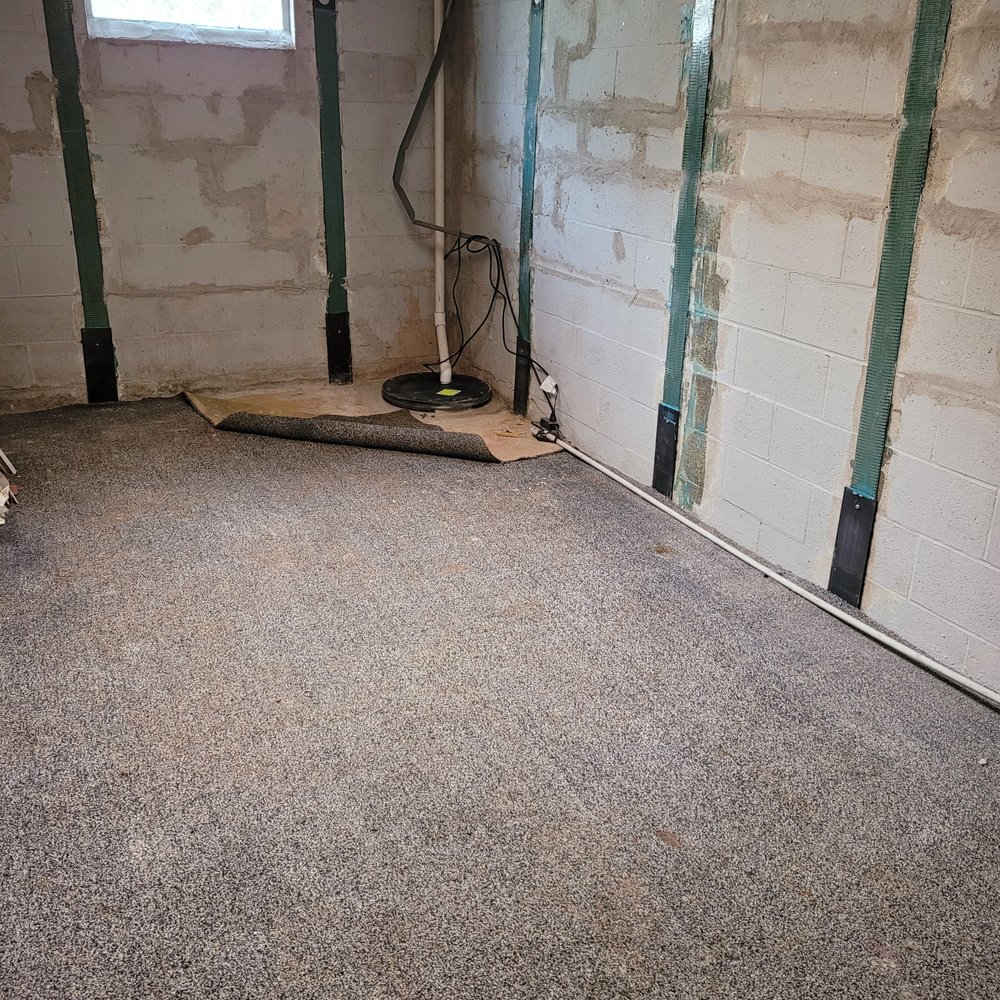
You might not be aware, but your house’s foundation can tell you a lot more than you’d expect: it’s like the pulse of your property. Imagine discovering foundation flaws, feeling the panic set in as you worry about the safety, the expense, the upheaval. Now, what if I told you that expert repair techniques could turn those flaws into firm foundations? They have the potential to restore your peace of mind, secure your investment, and even boost your property’s value. Want to know how? Stick around to uncover the secret behind these transformative techniques.
Your home’s foundation bears the weight and stress of your entire house, making it essential to identify any flaws early on.
It’s not an overstatement to say that the structural well-being of your home largely depends on the condition of your foundation. When flaws are overlooked, they can escalate into serious damage that will require costly and extensive repairs.
So, what should you look for? Start by inspecting exterior walls for horizontal cracks, as these are often telltale signs of foundation issues.
You’ll also want to check for bulges or irregularities in the wall alignment. These could indicate a shifting or settling foundation.
Indoors, pay attention to doors and windows that don’t close properly. They’re often the first signs of trouble.
Additionally, if you notice cracks in your interior walls or ceilings, particularly around doorways and windows, it’s likely you’re dealing with a foundation problem.
Lastly, don’t disregard uneven or sloping floors. While they may seem like a cosmetic issue, they often point to deeper foundation issues.
You must understand the potential impact of foundation issues on property value.
When you’re aware of the factors that cause property value decline due to foundation flaws, you’re in a better position to reverse the devaluation through expert repairs.
Accurate identification and effective treatment of these flaws can greatly enhance your property’s market value.
Damage to a home’s foundation doesn’t just threaten the structural integrity of the building, it can also have a notable impact on property value.
Now, you’re probably wondering, “Why?” Well, let’s break it down.
When potential buyers see foundation issues, they often see dollar signs. The cost of repairs, the potential for future problems, and the inconvenience of dealing with these issues can be a major deterrent. This decreases demand for your property, and as any economist will tell you, decreased demand leads to lower prices.
Foundation problems can also lead to other visible issues that further devalue your home. Cracked walls, uneven floors, doors that won’t close – all these are signs of foundation problems that can scare off buyers.
Additionally, these issues can lead to a failed home inspection, which can kill a sale or lead to a lower sale price.
Lastly, foundation damage can affect your property’s aesthetic appeal. This is vital as first impressions matter in real estate. A home that appears neglected or rundown due to visible foundation issues can notably decrease its value.
The bottom line is: a solid foundation is key to maintaining your property’s value.
Addressing foundation problems promptly and effectively can considerably reverse property devaluation. When you repair foundation issues, you’re not just maintaining the structural integrity of your home, you’re enhancing its value.
A well-executed repair can fundamentally erase any negative impact a foundation problem could have had on the property’s market value. This is particularly true when professionals undertake the task. You’ll see an increase in the value of your property, and potential buyers will appreciate the care you’ve taken to maintain the home’s stability.
Here’s a simple table that highlights the potential value increases from different types of foundation repairs:
| Repair Type | Average Cost | Potential Value Increase |
|---|---|---|
| Crack Repair | $500-$1,000 | 2-5% |
| Underpinning | $5,000-$10,000 | 10-20% |
| Waterproofing | $2,000-$6,000 | 5-10% |
A myriad of factors can lead to the deterioration of your home’s foundation. Primary among these are soil-related issues. Expansive clay, compressible or loose fill soils, and varying moisture content can greatly affect the foundation’s stability.
Changes in the moisture content can cause the soil to shrink or swell, exerting pressure on the foundation. This phenomenon, known as hydrostatic pressure, is a chief culprit in foundation damage.
Additionally, poor construction techniques can also lead to foundation damage. If the foundation isn’t properly constructed, it’s more likely to settle and crack over time. This is often the case when builders don’t adequately compact the fill soil or when they fail to install sufficient footings, piers, or supports.
Finally, environmental factors also play a role. Severe weather conditions, like heavy rain or drought, can lead to soil instability.
Tree roots can also cause issues, as they can grow underneath your foundation, causing displacement.
Before disaster strikes, your home’s foundation will typically give off some early warning signs.
You’ll notice an uneven or sloping floor, a clear indication that the foundation’s integrity is compromised. As the foundation settles, the floor above starts to pitch, becoming an immediate red flag.
You may also see cracks appearing in walls or floors. These aren’t just on the surface; they’re a grim reflection of deeper issues.
Horizontal cracks are particularly worrisome as they hint at severe pressure damage. Vertical cracks, while less serious, shouldn’t be ignored either. They’re often signs of tension in the foundation, due to soil expansion or contraction.
Doors and windows that stick or don’t fit their frames are another surefire sign. They indicate a shift in your home’s frame, a direct result of foundation settlement.
Moreover, pay attention to water pooling near your home’s base, especially after rain. Improper drainage can erode the soil, leading to foundation instability.
Lastly, if you spot gaps between the exterior windows or doors and the caulk line, it’s time to call a pro.
These gaps mean your home has moved – a serious foundation failure warning. Your home’s foundation is screaming for help. Don’t ignore the signs.
You must understand that regular inspections play a vital role in identifying structural issues before they evolve into severe problems.
By conducting routine checks, you’re not only maintaining the integrity of your foundation, but also saving on potential future repair costs.
However, timing these inspections accurately, typically annually or after severe weather events, is key to effective preventative maintenance.
Throughout the lifespan of your home, regular inspections are an important step in identifying structural issues. These issues, if left unnoticed, can escalate into significant complications that compromise the integrity of your home.
To guarantee the longevity of your property, it’s vital to understand the warning signs of structural problems.
Recognizing these symptoms early on can save you from costly repairs down the line.
However, it’s advisable not to rely solely on your observations. Always seek professional help for a thorough structural assessment.
Conducting routine inspections of your home’s foundation offers numerous benefits, saving you from potential headaches down the road. Regular checks allow you to identify minor issues before they escalate into major problems. You’ll be able to spot cracks, mold growth, water damage, or any other signs of deterioration early on. This proactive approach helps prevent costly repairs and maintains the structural integrity of your property.
Routine checks also provide a clear picture of the general health of your home’s foundation. You’ll gain insights into the effectiveness of your drainage system, the condition of your soil, and the impact of environmental factors on your foundation. These assessments can guide you in implementing preventive measures, enhancing the longevity of your property.
Moreover, regular inspections can contribute to the value of your property. Potential buyers are often wary of homes with foundation problems. By keeping your foundation in prime condition through routine checks, you’re fundamentally protecting your investment. A well-maintained foundation not only increases your property’s worth but also makes it more attractive to prospective buyers.
Recognizing the significant role of timing in foundation inspections, it’s essential to establish a regular schedule. You need to find that perfect balance where you’re conducting enough inspections to catch issues early, but not so many that it becomes inefficient or overly costly.
Consider these three key factors when determining your inspection schedule:
In essence, the timing of inspections isn’t a one-size-fits-all scenario. It’s an analytical process where you consider various factors, weigh their importance, and make an informed decision.
Regular inspections are essential, but they’re most effective when timed well. So, don’t wait for severe damage to prompt an inspection. Be proactive, understand the unique needs of your building, and set up an inspection schedule that guarantees your foundation remains firm and strong.
Steering through the sea of foundation repair professionals can feel overwhelming, but a careful approach can help you make the right choice.
You’re not just looking for someone who can handle a trowel. You need an expert who understands the intricate details of foundation repair, from pinpointing the source of the problem to selecting the appropriate repair method.
First, consider the professional’s experience. It’s not only about the number of years in the business but also their familiarity with your specific type of foundation and the issues it’s facing.
Have they handled similar repairs before?
Next, check their credentials. Are they licensed, bonded, and insured? These terms aren’t just industry jargon. They’re safeguards that protect you if something goes wrong during the repair process.
Finally, don’t overlook the value of referrals and reviews. Past clients’ experiences can give you a glimpse into the professional’s work quality, reliability, and customer service.
They can also warn you of potential red flags.
Having weighed the options and selected the right professional for your foundation repair, you might still find yourself contemplating the feasibility of a do-it-yourself repair.
It’s an understandable temptation, especially if you’re handy around the house.
But let’s consider three critical factors:
So, while DIY might save some money upfront, consider the potential long-term costs. Mistakes can lead to further damage, and improper repairs could void your home insurance.
Professionals offer guarantees and have insurance to cover mishaps.
In the battle of DIY vs. professional repairs, it’s pivotal to weigh immediate savings against the potential risks and future costs.
When dealing with foundation repairs, understanding the proven techniques can make a significant difference in the outcome. You need to be aware of the methods that have stood the test of time and consistently delivered solid results.
The first proven technique is hydraulic jacking, also known as piering. This process involves driving steel posts through unstable soil and using hydraulic jacks to stabilize damaged concrete slabs. It’s an intense procedure, but it’s incredibly effective at rectifying subsidence issues.
Another reliable method is slabjacking. Here, a grout mixture is pumped beneath a slab or beam to produce a lifting force that restores the slab to its original position. It’s a less invasive technique, often used when the damage isn’t too severe.
Underpinning is another tried-and-true technique that strengthens an existing foundation. It’s usually performed when the current foundation isn’t strong enough or has been undermined, like in cases of soil instability.
Lastly, there’s the use of helical piers, which are ideal for exterior foundation repairs. They’re screwed into the ground to support the foundation and prevent future shifting.
Each of these techniques has its own merits, so the best one really depends on the specifics of your foundation issue.
Once your foundation repair is successfully completed, it’s crucial to maintain the structure and prevent further damage. The task might seem intimidating initially, but with a few handy tips, it’s more manageable than you’d think.
Let’s turn our attention to a case study that illustrates successful repair strategies.
You’ll find an analytical examination of the unique methods used, their implementation, and the resulting outcomes.
It’s a detailed and technical review that can help you understand how these strategies work in a real-world scenario.
Examining successful case studies in foundation repair reveals innovative and unique strategies often used by experts in the field. They don’t just fix the visible damage; they investigate the root cause, developing customized solutions that guarantee long-term stability.
You’ll find this technique employed when the original foundation is inadequate due to a change in the structure’s use, or if the properties of the soil supporting the foundation have changed.
It’s a preferred strategy when dealing with larger structures or in instances where soil conditions are particularly challenging.
This strategy’s often used when the concrete slab has sunken into the ground, causing uneven surfaces.
These strategies aren’t one-size-fits-all. They’re tailor-made, guaranteeing that each foundation repair is as unique as the problem it resolves.
Now, having explored the unique strategies employed by experts in foundation repair, you might wonder about the actual results of these techniques.
Let’s examine the outcomes.
A successful repair, such as the case study of a residential property in New Jersey, demonstrates the effectiveness of these methods. The house, built in the 1960s, had significant foundation issues due to expansive clay soils.
The repair involved underpinning and soil stabilization techniques. After completion, the foundation was re-evaluated using precise measurements and laser level tools, and it showed a remarkable improvement.
The once unstable structure was now leveled, with the foundation’s integrity restored.
It’s important to note that the success of a repair isn’t only measured by the technical outcome, but also by the long-term stability it provides.
In this case, a 5-year follow-up showed no signs of further movement or damage, proving the durability of the repair.
You’re asking about professional foundation repair costs. On average, you’re looking at about $4,000-$10,000, but it is crucial to get multiple quotes for the most accurate estimate.
You’re probably wondering about the duration of a foundation repair. It’s not a quick fix. Typically, a professional repair might take 1-3 days, but extensive damage could extend the process to several weeks.
Yes, there’re potential health risks. You might face mold growth due to water intrusion, leading to respiratory issues. Also, radon gas, a carcinogen, can seep through cracks, increasing the risk of lung cancer.
Ever wondered if insurance covers foundation repairs? It’s not as straightforward as you’d hope. Typically, they don’t unless it’s due to a specific event like a flood. Always check your policy’s fine print.
Yes, even your newly constructed home needs foundation inspections. They’ll help you catch any potential issues early, ensuring your home’s integrity. Don’t overlook this vital step in home ownership. It’s better to be safe than sorry!
You’ve seen the signs, addressed the issues, and now, your foundation stands firm. It’s a proof of skilled professionals who’ve explored thoroughly, righting wrongs with proven techniques. Picture your property, its value secured, standing tall against the elements. But remember, this isn’t a one-time fix. Keep a vigilant eye on your foundation, schedule regular check-ups, and guarantee its stability. With this, you prevent future flaws, maintaining a fortress that’s not just a house, but a home.
Contact the Professionals at Basement Repair Specialists Today! (855) 554-7246

Tom Trinko is the dedicated owner of Basement Repair Specialists, a company renowned for its expert solutions in basement and foundation repairs. With a strong commitment to excellence and customer satisfaction, Tom has led his team to become one of the leading providers in the industry. Under his guidance, Basement Repair Specialists have developed a reputation for their reliability, innovative repair techniques, and exceptional service. Tom’s leadership is defined by his vast industry knowledge, customer-first approach, and a steadfast dedication to providing homeowners with cost-effective, durable solutions for their basement and foundation needs. For more information about Tom Trinko and the services offered by Basement Repair Specialists, visit their website at https://basementrepairspecialists.com/.
Contact the Professionals at Basement Repair Specialists, LLC Today! (855) 554-7246