
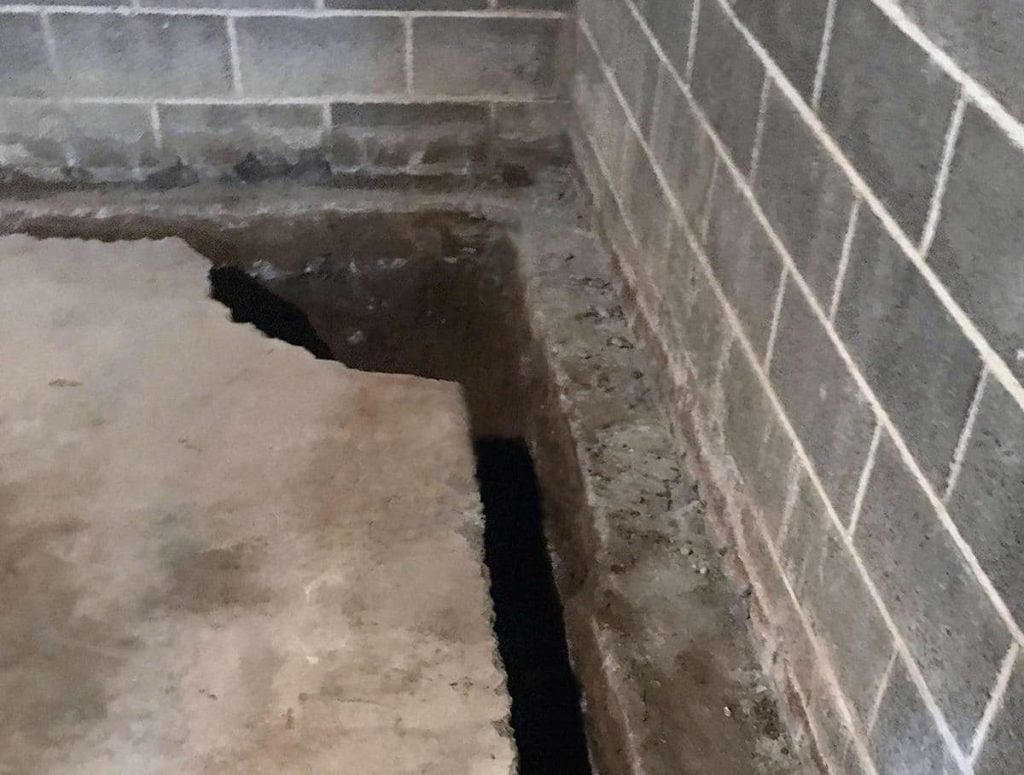
Imagine your basement as the foundation’s shield, guarding your home against the relentless onslaught of moisture and water damage. Yet, this guardian is often overlooked until it’s too late. So how do you guarantee it’s up to the task? You’ve got simple DIY methods at your disposal, from waterproof paints to meticulously checking for cracks and leaks. And for bigger battles, professional help is just a call away. But wait, there’s more to basement waterproofing than meets the eye. Intrigued? Let’s peel back the layers together.
In dealing with water issues in your basement, it’s pivotal to first understand the root of the problem. The primary causes are typically related to condensation, runoff, and groundwater swelling.
Condensation occurs when moist, warm air hits cool basement walls. If you’re noticing wet spots on walls, floors, or pipes, it’s likely you’re dealing with condensation.
Runoff is caused by rain or melted snow that’s not directed away from your house. If water isn’t effectively being steered away from the foundation, it can seep into your basement, leading to wet walls, floors, and eventual water damage.
Groundwater swelling is when the water table has risen too high, and your basement acts as a boat in a saturated lawn, causing hydrostatic pressure.
Understanding these causes will help you in identifying your specific issue. You’ll be able to pinpoint which factor is contributing to your basement’s water problem, allowing for more targeted and effective solutions.
Having identified the root cause of your basement water problems, the next step is to understand why addressing these issues through waterproofing is so important.
Waterproofing your basement isn’t just about preventing water damage to your property; it’s about protecting your home’s value, your family’s health, and your peace of mind.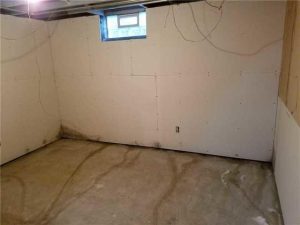
Water damage can lead to serious structural issues in your home. Over time, water can erode the foundation, causing cracks and instability.
This not only jeopardizes the safety of your home, but also greatly reduces its market value. By waterproofing your basement, you’re preserving the structural integrity of your home and maintaining its worth.
Beyond the structural implications, a damp and leaky basement promotes the growth of mold and mildew, which can adversely affect your family’s health, leading to allergies, respiratory problems, and other health risks.
Waterproofing helps guarantee a healthier living environment.
Before you plunge into waterproofing your basement, a thorough pre-waterproofing inspection is essential. This isn’t just a superficial glance over the area; it’s a detailed examination of the basement’s current conditions, enabling you to identify potential issues and tackle them proactively.
Start by checking for signs of existing water damage. This could be anything from damp walls and floors to mold growth, or even structural damage such as cracks in the walls or floor.
Don’t overlook the smell; a musty odor often indicates hidden mold or dampness.
Pay attention to the exterior of your house too. Examine the surrounding landscape, checking for sloping areas that could guide water towards your basement.
Also, inspect your gutters and downspouts. They should be free from debris and correctly positioned to direct water away from your home.
Finally, look for any potential sources of internal leakage. This includes pipes, tanks, and any appliances that use water.
If you spot any leaks, no matter how small, make sure they’re fixed promptly.
Choosing the right waterproofing method for your basement depends on several factors.
First, you’ll need to accurately assess your basement conditions to determine what type of waterproofing product would work best.
Then, you’ll have to decide whether you’re up for a DIY project or if it’s more prudent to hire a professional for the job.
To guarantee a dry and damage-free basement, correctly evaluating its conditions is your first step. This assessment enables you to choose the right waterproofing technique that will offer maximum protection.
So, how do you go about this?
Having assessed your basement’s condition and identified any potential problem areas, it’s time to select the right waterproofing products. This isn’t a one-size-fits-all scenario – the appropriate product will depend on your specific needs and circumstances.
Firstly, consider the severity of your basement’s water issues. For minor dampness or occasional leaks, a waterproofing paint or sealer may suffice. These products form a barrier that repels water, and you can apply them directly to your basement’s walls and floor.
They’re ideal for DIY enthusiasts, as they’re easy to apply and relatively inexpensive.
If you’re dealing with more serious issues, such as standing water or persistent leaks, you’ll need a more robust solution. Waterproofing membranes are a good option.
They’re thicker than paints or sealers, providing a stronger barrier against water. However, they require more labor to install, as they usually need to be laid down and then covered with a layer of cement.
If you’re on the fence about whether to tackle basement waterproofing as a DIY project or to hire a professional, take the time to weigh the pros and cons of each method.
Remember, your home’s protection begins with making the right choice.
On the other hand, if you’re not experienced, you might overlook some vital elements.
If you’re in a hurry, hiring a professional might be your best bet.
However, if not done correctly, it may lead to more expenses in the long run.
Hiring a professional may be more costly upfront, but it guarantees a job well done.
With DIY, you’re on your own if something goes wrong.
Make an informed decision.
After all, safeguarding your home from water damage is a serious task.
Now, let’s turn our attention toward DIY waterproofing techniques.
First, you’ll need to understand how to choose the right waterproofing materials for your specific situation.
Then, we’ll discuss how to implement proper sealing techniques that guarantee your basement remains dry and damage-free.
Selecting the correct waterproofing materials is essential in any DIY basement waterproofing project. Your choice of materials can mean the difference between a dry, comfortable basement and a damp, mold-prone one.
However, they’re not the best choice for major leaks or long-term solutions.
They’re more expensive and harder to install but offer superior protection.
They’re a great option if you have a high water table or frequent flooding.
You’re all set with the right waterproofing materials, so let’s plunge into the best DIY sealing techniques to keep your basement dry and cozy. Waterproofing is not a one-size-fits-all task. You’ve got to understand your basement’s unique needs and tailor your approach accordingly.
A well-sealed basement not only prevents water intrusion but also reduces humidity, which in turn mitigates mold growth. That’s why it’s essential to seal up all cracks and gaps with a high-quality sealant. If your basement walls and floor are unfinished, apply a waterproofing sealer to form a watertight bond.
| Step | Task | Tip |
|---|---|---|
| 1 | Identify cracks and gaps | Use a flashlight to spot cracks |
| 2 | Apply the sealant | Work in a well-ventilated area |
| 3 | Waterproof basement walls and floor | Allow sealant to dry fully before applying |
When it comes to safeguarding your home from potential water damages, professional waterproofing services are an investment worth considering.
These experts are equipped with specialized tools and extensive knowledge that guarantee a thorough job, keeping your basement dry and your home’s foundation secure from potential harm.
Here’s a list of 4 key advantages of hiring professional services:
Once your basement’s waterproofing is in place, the next vital step involves diligent maintenance. It’s not a one-and-done task. Your efforts to keep water out of your basement don’t stop after waterproofing is complete; it requires regular checks and upkeep.
Monitor your basement frequently, especially during wet seasons. Check for any signs of water intrusion, such as damp patches or mold growth. If you spot any, find out their sources promptly. Water could be seeping through cracks that were overlooked during the initial waterproofing. It could also mean that the waterproofing is starting to wear off and needs a touch-up.
Clean your gutters and downspouts regularly. Blocked gutters can overflow, directing water towards your foundation. This could potentially bypass your waterproofing measures. Making sure this doesn’t happen is a simple but vital maintenance task.
Avoiding common waterproofing mistakes is imperative in effectively safeguarding your basement against water damage. As a homeowner, it’s essential to be aware of these pitfalls, as they can lead to costly repairs and compromise your home’s structural integrity.
Without this, minor issues can escalate quickly, causing significant damage.
Let’s shift our focus now from common mistakes to an example of successful basement waterproofing.
Imagine a 1950s-era home with a basement that had been plagued with chronic flooding issues. The homeowners decided they’d had enough and brought in a team of waterproofing experts to resolve the problem.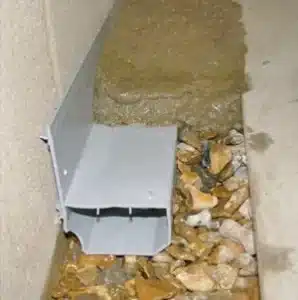
The professionals first inspected the exterior of the home, identifying key problem areas such as downspouts discharging water too close to the foundation. They corrected this by extending the downspouts further away.
They also noticed that the soil around the foundation was sloping towards the house, so they regraded it to slope away, preventing water from pooling near the foundation.
Next, they focused on the basement interior. They installed a sump pump to handle any water that might seep in. Additionally, they applied a waterproofing sealant to the walls and floor.
This thorough approach worked wonders. The basement remained dry, even during heavy rainstorms.
This case study serves as a prime example of how proper planning, professional expertise, and the right solutions can effectively waterproof your basement.
You’re probably looking at a range between $3,000 to $10,000 for professional basement waterproofing. However, costs can vary widely depending on the size of your basement and the extent of the water issues.
You’re probably wondering about the duration of basement waterproofing. Typically, it takes 1-3 days, depending on the complexity of the job. However, severe issues may extend this timeline. It’s best to discuss specifics with a professional.
Yes, there are signs to look out for. If you’re noticing a musty odor, visible mold, damp spots, or water seepage, it’s time to waterproof your basement. Don’t wait, these issues can quickly escalate.
You’ll need to check your specific policy, but typically, homeowners insurance doesn’t cover basement waterproofing. It’s viewed as preventative maintenance, which you’re generally responsible for. Consult with your provider for a thorough understanding.
No, you don’t need to move out during the basement waterproofing process. It’s typically non-invasive and won’t disrupt your daily life. However, it’d help if you cleared the basement area for the workers’ convenience.
So, you’re convinced, right? Basement waterproofing is key to protecting your home. Imagine the peace of mind knowing your property is safe from water damage. Just like the Smiths, who after a professional waterproofing service, saw their moisture problems vanish. Don’t wait for a disaster to strike; act now. You’ll safeguard your home’s value, create a healthier environment, and sidestep those hefty repair bills. It’s a smart move, wouldn’t you agree?
Contact the Professionals at Basement Repair SpecialistsToday! (855) 554-7246

Tom Trinko is the dedicated owner of Basement Repair Specialists, a company renowned for its expert solutions in basement and foundation repairs. With a strong commitment to excellence and customer satisfaction, Tom has led his team to become one of the leading providers in the industry. Under his guidance, Basement Repair Specialists have developed a reputation for their reliability, innovative repair techniques, and exceptional service. Tom’s leadership is defined by his vast industry knowledge, customer-first approach, and a steadfast dedication to providing homeowners with cost-effective, durable solutions for their basement and foundation needs. For more information about Tom Trinko and the services offered by Basement Repair Specialists, visit their website at https://basementrepairspecialists.com/.
Contact the Professionals at Basement Repair Specialists, LLC Today! (855) 554-7246