give us a call (24/7) at, brs logo
Give us a call (24/7) at
A Great Job at a Great Price!®

How Foundation Repair Prevents Structural Collapse: Key Warning Signs

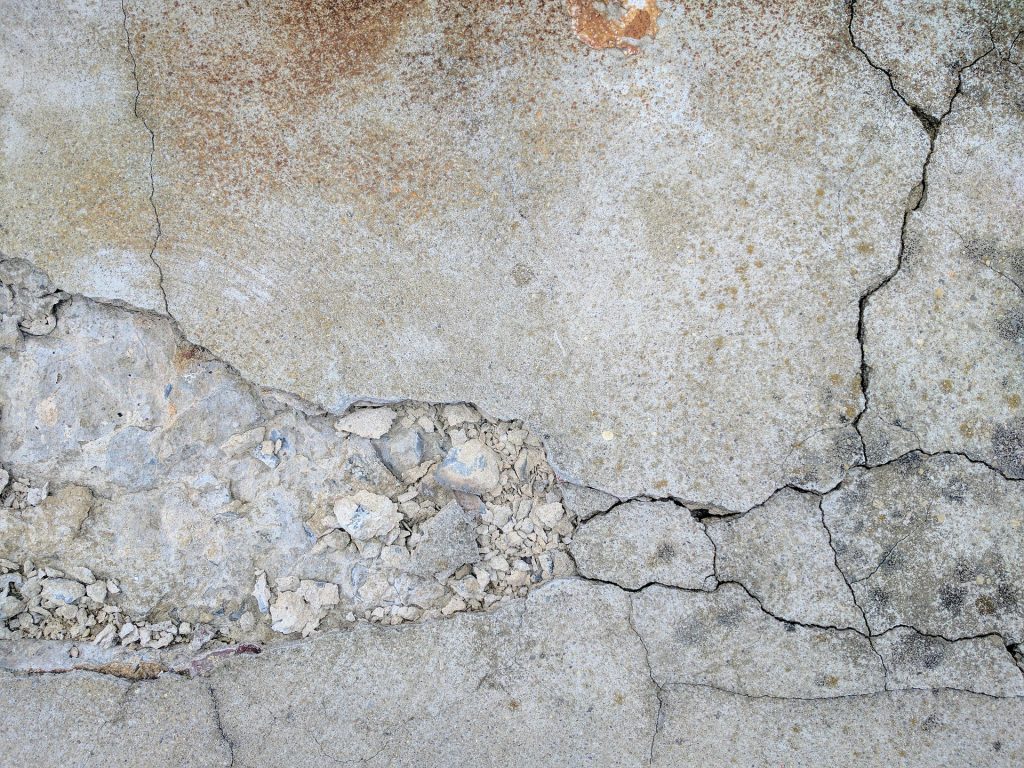
Cracked concrete surface highlighting foundation damage, emphasizing the need for timely foundation repair to prevent structural collapse.

Foundation issues are a serious threat to the structural integrity of a home. If left unaddressed, these problems can lead to catastrophic damage, including the potential for structural collapse. Early detection of foundation issues and timely repairs can prevent such disasters and save homeowners from costly repairs down the line. In this article, we will discuss the importance offoundation repairin preventing structural collapse and identify the key warning signs that indicate a foundation may be at risk.

The Role of the Foundation in Structural Stability

The foundation is the part of your home that supports the entire structure. A properly built and maintained foundation evenly distributes the weight of the home and provides stability. When the foundation is compromised, it can no longer perform this critical function, leading to shifts in the structure that can result in cracks, bowing walls, uneven floors, and eventually, structural collapse.

Common Causes of Foundation Problems

Several factors can lead to foundation damage, each of which presents a unique risk to the structural stability of your home:
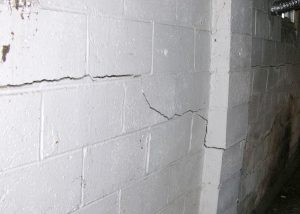
  1. Soil Movement: Expansive soils, such as clay, swell when wet and shrink when dry. This constant movement can cause the foundation to shift, leading to cracks and settlement.Cracked foundation wall indicating structural damage and potential risk of collapse.
  2. Water Damage: Poor drainage, plumbing leaks, or excessive moisture in the soil can weaken the foundation over time. Water pressure against the foundation walls can cause them to bow or crack.
  3. Tree Roots: Large trees planted too close to a home can have roots that grow beneath the foundation. As the roots expand, they can displace the soil and cause the foundation to shift or crack.
  4. Poor Construction: If a foundation is not properly built or reinforced, it may be more susceptible to damage over time. Poor materials or improper installation can lead to settlement and cracking.

Key Warning Signs of Foundation Failure

Recognizing the early warning signs of foundation problems is essential to preventing more severe damage and the risk of structural collapse. Homeowners should be vigilant for the following indicators:

  1. Cracks in Walls and Floors: One of the most common signs of foundation problems is the appearance of cracks in the walls, floors, or foundation itself. Vertical, horizontal, or stair-step cracks may indicate that the foundation is shifting or settling unevenly.
  2. Bowing or Leaning Walls: Foundation walls that bow inward or outward may indicate excessive pressure from the surrounding soil. This can lead to structural failure if not addressed quickly.
  3. Uneven Floors: If the foundation is settling unevenly, the floors of your home may become sloped or uneven. This is often accompanied by doors and windows that stick or no longer open and close properly.
  4. Gaps Around Windows and Doors: As the foundation shifts, it can cause gaps to appear around windows and doors. These gaps may also lead to drafts and increased energy bills.
  5. Water Intrusion: If you notice water entering the basement or crawlspace, it may be due to foundation cracks or poor drainage. Water infiltration can weaken the foundation and lead to further damage.

The Importance of Addressing Foundation Issues Early

Foundation problems rarely resolve themselves and tend to worsen over time. What starts as a small crack can quickly escalate into a major issue if left unaddressed. Timely foundation repair is critical to preventing more extensive damage and protecting the structural integrity of your home.

  1. Preventing Structural Collapse: The most serious consequence of foundation failure is the risk of structural collapse. As the foundation shifts, it can cause walls to bow or even collapse under the pressure, putting the safety of your home’s occupants at risk.
  2. Avoiding Costly Repairs: Foundation repairs become more expensive the longer you wait. Addressing the problem early on with minor repairs, such as crack injections or wall anchors, can save you from having to replace the entire foundation or rebuild collapsed walls.
  3. Maintaining Property Value: Homes with foundation issues lose value quickly, as buyers are often unwilling to purchase properties with major structural problems. Repairing the foundation not only protects your investment but also ensures that your home remains attractive to potential buyers.

Foundation Repair Techniques That Stabilize Structures

There are several foundation repair methods available, depending on the severity of the damage and the type of foundation. A foundation specialist can recommend the best solution for your home:
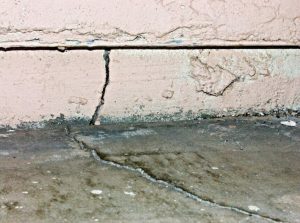
  1. Piering (Underpinning): This method involves driving steel or concrete piers deep into the ground to stabilize the foundation. It is often used for homes that have experienced significant settlement due to soil movement.Cracked foundation wall and floor, indicating potential structural issues, relevant to foundation repair methods and home value preservation.
  2. Wall Anchors: For foundations with bowing or leaning walls, wall anchors are installed to pull the walls back into place and provide additional support.
  3. Carbon Fiber Reinforcement: This method involves applyingcarbon fiber stripsto foundation walls to reinforce them and prevent further bowing or cracking. It is a quick, non-invasive solution for minor wall movement.
  4. Slabjacking (Mudjacking): If the foundation has sunken or shifted, slabjacking can be used to lift it back into place. A mixture of cement and water is injected beneath the foundation, raising it to its original level.

Regular Inspections and Preventive Measures

Regular foundation inspections are essential for detecting early signs of damage and preventing more severe issues. Homeowners should schedule annual inspections with a foundation specialist, particularly if they live in areas with expansive soils or high water tables.

  1. Monitor for Changes: Keep an eye on any existing cracks or signs of movement in the foundation. If you notice new or worsening damage, contact a professional immediately.
  2. Improve Drainage: Ensure that water is directed away from the foundation by maintaining gutters, downspouts, and proper grading around the home.
  3. Manage Tree Roots: If large trees are growing near your foundation, consider having a professional assess the risk of root damage and take appropriate measures, such as root barriers or tree removal.

Foundation repairis critical to maintaining the safety and structural integrity of your home. By recognizing the early warning signs of foundation failure and addressing them with professional repairs, you can prevent structural collapse and costly damage. Regular inspections and preventive measures are key to protecting your home and ensuring its long-term stability.

Contact the Professionals atBasement Repair SpecialistsToday! (855) 554-7246

Contact the Professionals at Basement Repair Specialists, LLC Today! (855) 554-7246