
Give us a call (24/7) at
Schedule Your Free 1-Hour Basement Waterproofing Inspection(855) 554-7246
A Great Job at a Great Price!®
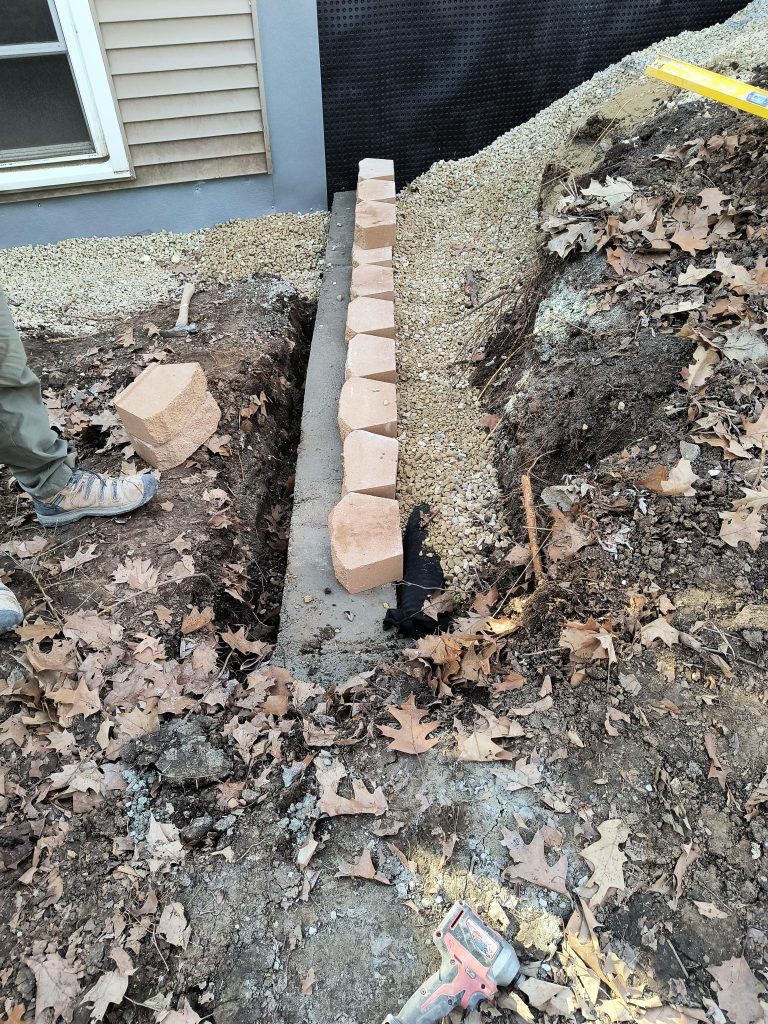
Just as you’re considering waterproofing your basement, it’s quite a coincidence that local climate conditions play a pivotal role in determining your specific needs. You see, the type and extent of waterproofing your basement requires can drastically differ based on whether you’re dealing with a humid, dry, or cold climate. Each presents unique challenges that demand tailored solutions. But how exactly does the climate influence these needs, and what can you do to guarantee your basement remains dry and damage-free? Well, that’s a fascinating discussion we’re about to initiate.
Understanding basement waterproofing involves more than just slapping some sealant on your walls. It’s a complex process that requires a detailed understanding of your home’s structure, water movement, and the materials used in construction.
You see, water can seep into your basement through various ways. It could be through cracks in the walls, floors, or even the joints between them. Now imagine your basement as a boat, and water as the sea. If there’s a hole in the boat, it sinks. Similarly, if water enters your basement, it can cause significant damage.
To prevent this, you need to understand the type of soil around your house. Some soils, like clay, hold water and can create pressure against your basement walls, leading to leaks. On the other hand, sandy soil allows water to drain quickly and doesn’t pose as much of a threat.
The quality of the construction material also plays a role. Certain materials are more resistant to water than others. For instance, concrete blocks can absorb water and create a damp environment, whereas poured concrete is more resistant to water penetration.
In short, understanding basement waterproofing is a science that requires a thoughtful approach and a keen eye for detail.
You need to understand that climate plays a pivotal role in determining the right waterproofing techniques for your basement.
Depending on your location, you may face heavy rain, snow, or humidity, all of which can affect the moisture levels in your basement.
As a result, it’s essential to adapt your waterproofing methods to effectively counter these climate-specific challenges.
Different climates pose unique challenges to basement waterproofing. In dry, arid regions, you may think there’s little need for thorough waterproofing. However, the sporadic but heavy rainfall common in these areas can lead to sudden water influxes which your basement mightn’t be prepared to handle.
In contrast, in humid, tropical climates, constant exposure to moisture necessitates robust waterproofing. Humidity can seep into your basement, leading to damp walls and a musty smell. If left untreated, it can cause mold growth and structural damage.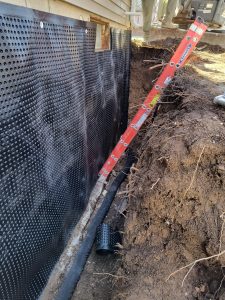
Cold climates present another set of challenges. Freezing and thawing cycles can cause significant damage to your basement’s structure. Water seeps into the smallest cracks, freezes, expands, and widens the cracks. This process repeated over time can weaken your foundation and make your basement susceptible to leaks.
In coastal regions, you have to deal with high humidity, potential flooding, and saltwater intrusion that can corrode your basement’s structure. Waterproofing needs to be more thorough, with a focus on preventing both water and salt intrusion.
Nearly every climate demands a unique approach to waterproofing techniques. You can’t apply the same methods in a dry climate as you’d in a humid one. It’s crucial to adapt your waterproofing techniques to your local climate’s specificities.
In areas with high rainfall, such as the Pacific Northwest, you’ll need a robust waterproofing solution. Here, exterior waterproofing, which involves excavating around the house to install a waterproof barrier and drainage, may be suitable. It’s a costly but effective measure against constant moisture.
If you’re in a dry, arid climate like the Southwest, moisture may not be your primary concern. Instead, you may need to focus on sealing cracks that can form due to the ground’s fluctuating moisture levels. Using an epoxy injection is a common solution in these scenarios.
Cold climates present another challenge. Your waterproofing methods must withstand freezing and thawing cycles. Waterproofing paint can chip off, so it’s not recommended. Rather, a combination of interior drainage and a sump pump system can be effective.
In regions where rainfall is a constant companion, basement waterproofing becomes a critical consideration. You’re not just combating the occasional leak, but a persistent dampness that can threaten the structural integrity of your home.
The moisture seeping into your foundation can lead to a host of problems, such as mold growth and weakened walls.
In such areas, the first line of defense is a robust exterior waterproofing system. This typically involves a combination of a waterproof membrane and a French drain system. The membrane acts as a physical barrier against water, while the drain directs the flow away from your foundation.
However, interior waterproofing is equally important. You must consider a water management system inside your basement to handle any water that does get through. This usually involves a sump pump system, which removes water that has accumulated in a water-collecting sump basin.
The key is to understand the nature of your local climate and adapt your waterproofing strategy accordingly. Rainy climates require a more thorough approach that doesn’t just fix the problem, but actively works to prevent it.
Even though your home may be situated in a dryer climate, don’t underestimate the importance of basement waterproofing. In fact, it’s vital to your home’s structural integrity.
While you may not contend with persistent rainfall, other elements unique to arid environments can cause significant water damage.
For instance, sudden and infrequent rainstorms often result in flash flooding. Because the dry, compacted soil can’t absorb water quickly, it directs the sudden deluge towards your foundation. If you’ve skipped on waterproofing, you’re inviting water inside, causing potential damage and mold growth.
Also, consider the typical large temperature fluctuations in dryer climates. The constant expansion and contraction of the soil around your foundation can lead to cracks over time. These cracks serve as an open invitation for any amount of moisture to seep in.
Don’t let the icy chill of a cold climate fool you into thinking basement waterproofing is unnecessary. On the contrary, it’s pivotal. As temperatures drop, your home’s structural integrity can be threatened by unique challenges.
Water in the soil surrounding your basement can freeze, expanding and exerting pressure on the foundation. This “freeze-thaw” cycle can lead to cracks over time, allowing water to seep in when the ice melts.
Additionally, cold weather can exacerbate existing minor cracks in your basement. As water infiltrates these cracks and freezes, it expands, widening the cracks and creating potential entry points for more water. It’s a vicious cycle that can cause major damage if not addressed.
The solution? Proper waterproofing. Materials like elastomeric membranes that remain flexible in cold temperatures are ideal. They adhere tightly to your basement walls, preventing water from seeping in.
Furthermore, installing adequate insulation can prevent the freezing of interior condensation, a common issue in cold climates.
You’re certainly aware of the unique challenges a humid climate presents to basement waterproofing.
The persistent threat of basement condensation, coupled with potential mold and mildew risks, necessitates a vigilant approach to waterproofing.
Additionally, the selection of waterproofing materials becomes a critical factor, given the demanding environmental conditions.
In a humid climate, your basement faces the relentless challenge of condensation problems. The interaction between the warm, moisture-laden air and the cool basement walls creates a perfect environment for condensation to occur.
It’s a continuous cycle, and it’s crucial to understand its effects on your basement’s structure and waterproofing needs. As warm air cools down, it can’t hold as much moisture. This excessive moisture then forms condensation on your basement walls and floor.
Over time, this persistent dampness can cause significant issues. The dampness eats away at the concrete, leading to spalling, a condition where the surface peels, pops out, or flakes off. It’s a clear indication of water seepage that weakens the structural integrity of your basement.
Furthermore, condensation encourages rusting and rotting of any metal or wooden objects in your basement, diminishing their functionality and lifespan. It’s not just about how it looks or feels; it’s about the potential damage and cost of repairs.
To tackle these challenges, you require an effective waterproofing system. Proper insulation, dehumidifiers, and moisture barriers can mitigate condensation problems, preserving the state of your basement in a humid climate.
Beyond the structural damage caused by persistent condensation, your basement faces an even more insidious hazard in a humid climate: mold and mildew.
These biological contaminants thrive in damp, poorly ventilated areas and can pose serious health risks. Mold spores are invisible to the naked eye and airborne, meaning they can easily spread throughout your home, contaminating the air you breathe.
Mold and mildew growth in your basement isn’t just an aesthetic concern; it’s a clear sign that your current waterproofing system isn’t adequately controlling moisture levels. They can cause allergic reactions, respiratory issues, and other health problems, especially in individuals with weakened immune systems.
More worryingly, certain molds produce mycotoxins, poisonous substances that can have severe health implications.
In a humid climate, effective basement waterproofing isn’t just about preventing water ingress. It’s also about controlling humidity, reducing condensation, and improving ventilation to prevent the conditions in which mold and mildew flourish.
Selecting the right waterproofing material becomes a complex task in a humid climate due to the unique challenges it presents. Your chosen material must be capable of withstanding constant moisture exposure without degrading, as a result maintaining its waterproofing functionality.
In humid climates, waterproofing materials such as bituminous membrane and cementitious products are typically recommended. Bituminous membrane, made from asphalt and polymer, offers a seamless, watertight barrier resistant to moisture penetration. However, it’s not breathable and can trap moisture, possibly leading to mold growth.
On the other hand, cementitious products, like waterproofing slurry, are breathable materials that allow trapped moisture to escape. They’re also resistant to both positive and negative hydrostatic pressure, essential in humid areas where groundwater pressure can be high.
However, cementitious products have limitations. They’re not very flexible and can crack if your foundation moves or settles. As a result, a combination of these materials often provides the best protection.
Climate greatly influences your choice of basement waterproofing methods. In humid areas, you’ll need to prioritize internal drainage systems to handle the constant moisture. This might mean installing sump pumps or weeping tile systems to effectively divert water away from your home’s structure.
Alternatively, in dry climates, your primary concern is often condensation. Here, you’d benefit from waterproofing sealants and vapor barriers which prevent any moisture buildup. These tactics stop water from seeping in through the basement walls and floors, providing a dry and healthy living space.
In regions that fluctuate between wet and dry seasons, you’ll need a combination of these strategies. External waterproofing, such as French drains or waterproof coatings, can offer added protection during the rainy season, while internal methods can handle moisture year-round.
So, you see, your local climate shapes your basement waterproofing needs. For instance, a home in rainy Seattle would benefit from a robust exterior system, like waterproof membranes and drainage solutions. It’s no one-size-fits-all approach. Understand your region’s weather patterns, tailor your strategies, and you’ll have a dry, protected basement. Remember, the right approach to waterproofing is as unique as the climate you live in. After all, it’s science, not guesswork.

Tom Trinko is the dedicated owner of Basement Repair Specialists, a company renowned for its expert solutions in basement and foundation repairs. With a strong commitment to excellence and customer satisfaction, Tom has led his team to become one of the leading providers in the industry. Under his guidance, Basement Repair Specialists have developed a reputation for their reliability, innovative repair techniques, and exceptional service. Tom’s leadership is defined by his vast industry knowledge, customer-first approach, and a steadfast dedication to providing homeowners with cost-effective, durable solutions for their basement and foundation needs. For more information about Tom Trinko and the services offered by Basement Repair Specialists, visit their website at https://basementrepairspecialists.com/.
Contact the Professionals at Basement Repair Specialists, LLC Today! (855) 554-7246