
Give us a call (24/7) at
Book Your Free 1-Hour Foundation Crack Inspection(855) 554-7246
A Great Job at a Great Price!®
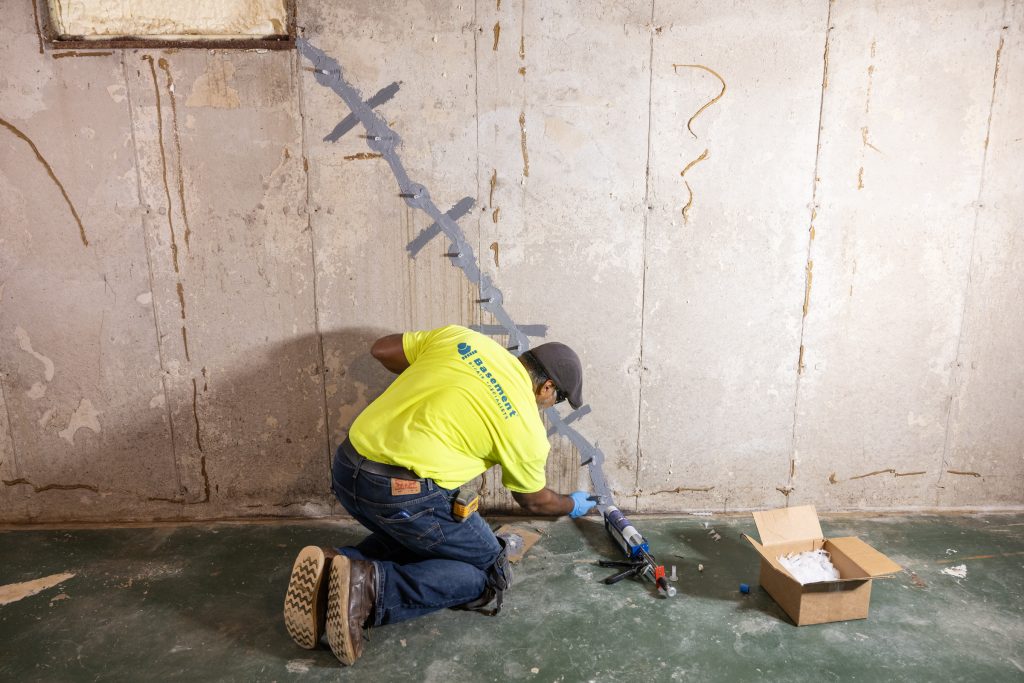
Spotting foundation cracks in your home can be quite alarming. It’s crucial to distinguish between hairline and structural cracks, as they indicate different degrees of concern. Hairline cracks, usually less than 1/8 inch wide, are often due to normal settling. However, if you spot wider, irregular cracks, you’re likely dealing with structural ones, suggesting more severe foundation issues. But how can you be certain? The answer lies in a closer inspection and understanding of these cracks. Stick around, we’re about to delve into the nitty-gritty of identifying foundation cracks and when it’s time to call in the experts.
 Grasping the concept of foundation cracks is vital in maintaining the structural integrity of your home. These cracks aren’t just cosmetic issues, they’re signs of possible structural damage and demands your immediate attention.
The causes of cracks are diverse. One primary cause is soil movement. Your home’s foundation rests on the ground, so any shift or settlement in the soil can result in cracks. This movement is often due to changes in moisture content. Excessive water can make soil expand, while drought conditions can cause it to contract. Both scenarios put pressure on your foundation, leading to cracks.
Another cause is poor construction. If your foundation wasn’t properly built or the soil wasn’t adequately compacted before construction, the foundation may settle unevenly, causing cracks.
Lastly, age is another factor. Over time, materials can break down, and natural settling can occur, leading to cracks.
Prevention strategies are essential. Proper drainage is key to prevent soil saturation. Also, regular inspections can catch minor issues before they become major problems.
Additionally, consider professional soil testing before construction. This ensures your foundation is built on stable ground, reducing the risk of future cracks.
Your home’s hairline foundation cracks might seem insignificant, but they’ve distinct features demanding your attention.
These fine lines, often misunderstood, are more than just a cosmetic blight. They speak to the health of your foundation and, by extension, your home’s structural integrity.
To start, let’s take a look at these visual characteristics. Unlike more severe structural cracks, hairline cracks are typically small, less than 1/8 inch wide. They might appear superficially on the surface, with a spiderweb-like pattern that doesn’t penetrate deep into the foundation.
However, the common causes of these cracks aren’t as harmless as they appear. They might be due to:
It’s crucial to monitor these hairline cracks closely. If left unchecked, they might widen or multiply, signaling more significant structural issues.
Understanding their features is the first step towards maintaining your home’s health and safety. Avoiding this could lead to costly repairs or even put your family’s safety at risk.
Let’s dive deeper into the realm of structural foundation cracks. Unlike hairline cracks, which are typically cosmetic, structural cracks indicate a potential problem with your building’s foundation. These crack types are often larger and more noticeable, making a visual inspection a crucial part of identifying them.
One of the most common characteristics of structural cracks is their size. Generally, any crack wider than 1/8 of an inch should be a cause for concern. Additionally, these cracks are often jagged or irregular in shape, and they may widen over time.
To better understand, take a look at this table:
| Characteristic | Structural Cracks |
|---|---|
| Size | Wider than 1/8 inch |
| Shape | Jagged or irregular |
| Progression | Widen over time |
| Location | Often found in walls, floors, or ceilings |
It’s important to remember that while these characteristics can be a good indication of structural cracks, they’re not definitive proof. Always consult with a professional if you’re unsure. Structural cracks can compromise the integrity of your building, so it’s important to take them seriously.
Understanding the orientation of cracks in your building’s foundation is crucial. It reveals the type and severity of the stress causing the fracture. The orientation significance is a key component in diagnosing the health of your foundation.
Here’s a quick guide to understanding crack patterns:
Investigating the width of foundation cracks provides valuable insight into the severity of the issue at hand. It’s not just about spotting a crack, you need to measure it accurately.
Utilizing crack measurement techniques are paramount in this process. A simple ruler or tape measure can be used for wider, more visible cracks. For smaller, hairline cracks, a crack width gauge or a crack monitor can give you more precise measurements.
Visual inspection methods are also instrumental in identifying the crack’s width. A magnifying glass or a borescope can be employed for closely observing the crack’s details. Remember, you’re not just looking at the surface. You need to inspect the depth of the crack as well.
It’s essential to understand that the width isn’t the only factor to consider. You must take into account the crack’s location, direction, and pattern.
However, the wider the crack, the more likely it’s to indicate a severe structural issue. While hairline cracks are usually not a cause for concern, cracks wider than 1/8 inch could be a sign of serious foundation damage and should be addressed immediately.
Monitoring the progression of foundation cracks over time is a crucial aspect of assessing the severity and potential danger of the situation. You need to keep a keen eye on any shifts in crack patterns, as these can signal increasing instability in your foundation.
Equally important is noting any correlation between crack progression and seasonal changes. For instance, cracks may expand during dry periods and contract with increased moisture. This observation can help pinpoint the underlying causes and guide your response.
When observing crack progression over time, consider the following:
Through close observation and methodical record-keeping, you can gain a comprehensive understanding of your foundation’s situation. This knowledge is essential in taking appropriate steps to safeguard your property.
You must first understand that different soil types can significantly impact the integrity of your foundation.
Soil movement, whether it’s expansion, contraction, or shifting, can lead to cracks in the foundation.
Therefore, you’ll need to consider the soil type and its potential movement when identifying and addressing foundation cracks.
In the realm of foundation maintenance, the type of soil upon which your home is built plays a pivotal role. Its composition is a major factor in determining foundation stability. Certain soil types can lead to more frequent and severe foundation cracks than others.
Your home’s foundation stability is largely influenced by the soil’s properties, which include:
Understanding the soil composition around your home can help you foresee potential foundation problems and maintain the integrity of your home’s structure.
If you’re unsure of the soil type, consider hiring a geotechnical engineer to perform soil testing.
Soil movement plays a crucial role in the formation of foundation cracks. Various factors contribute to soil movement, including soil compaction, moisture levels, and drainage issues. A well-compacted soil can provide a stable base for your foundation. However, improper soil compaction can lead to uneven load distribution, causing cracks in different foundation types.
Moisture levels in the soil directly influence its stability. Seasonal changes can cause soil to expand and contract, creating movement that can destabilize your foundation. Drainage issues can exacerbate these problems, leading to increased soil movement. Proper landscape grading is essential to prevent excess water from destabilizing the soil around your foundation.
Erosion effects, particularly in sloping areas, can also lead to soil movement. Over time, erosion can undermine your foundation, resulting in cracks. Similarly, root intrusion from trees and large plants can disrupt the soil, causing it to shift and crack the foundation.
In essence, managing soil movement involves proper soil stabilization techniques, including maintaining correct moisture levels, preventing erosion, and ensuring appropriate load distribution.
Knowledge of these factors can help you identify and address the causes of foundation cracks early, preventing costly repairs down the line.
Despite the seeming insignificance of minor cracks in your home’s foundation, these subtle signs often point to major structural issues. A professional inspection can provide a detailed assessment of your foundation’s condition using specialized inspection techniques.
Without a professional evaluation, you’re left guessing on the severity of potential structural damages.
Professionals typically follow a certain protocol when inspecting foundation cracks:
This professional evaluation won’t only identify the type of crack but also its root cause.
It’s critical to understand that not all cracks require extensive repairs, but you won’t know unless a professional inspects it.
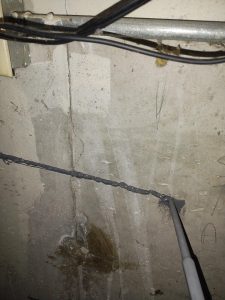 Repairing Hairline Foundation Cracks
Once the professional inspection has pinpointed hairline cracks in your foundation, it’s time to address these issues before they escalate. You may consider DIY repairs if your budget is tight or if you prefer a hands-on approach. But remember, the key is to act fast and wisely.
Crack sealing is an effective way to repair hairline foundation cracks, and it’s not as daunting as it might seem. Start by cleaning out the crack, making sure to remove any loose debris. This ensures the sealant adheres properly to the crack’s surface.
Next, you’ll want to choose a quality sealant; a polyurethane or epoxy-based product is often recommended for its durability and flexibility.
Applying the sealant is a straightforward process. Use a standard caulk gun to force the product into the crack, filling it from the bottom up. Make sure to overfill the crack slightly, as the sealant will shrink as it dries.
Smooth out the sealant with a putty knife, and let it cure for the time specified by the manufacturer.
If you’re dealing with structural foundation cracks, it’s a whole different ball game. Unlike hairline cracks, structural cracks are usually larger, wider and can extend deep into the foundation.
They’re often caused by serious issues such as ground movement, poor construction, or water pressure.
When it comes to repair methods, one size doesn’t fit all. You’ll need a tailored solution based on an analysis of the crack causes and your foundation’s specific circumstances.
Here are some common repair strategies:
Foundation cracks often result from soil settlement, occurring when the ground beneath your home shifts. This causes undue pressure, leading to cracks.
Additionally, poor water drainage can exacerbate the issue. When water pools near your home’s foundation, it can seep into the soil, causing it to expand and contract. This movement can cause both minor hairline and more serious structural cracks.
You’ve got to monitor these issues to prevent significant damage.
Yes, weather significantly impacts the formation of foundation cracks.
Changes in weather patterns, especially extreme fluctuations, can cause soil movement around your home’s foundation. In dry periods, soil contracts, creating spaces where your foundation can sink.
During wet periods, soil expands, exerting pressure against your foundation. This constant movement can lead to both hairline and structural cracks over time.
Monitoring these conditions can help you maintain your home’s structural integrity.
Yes, foundation cracks can certainly lead to other home structural issues.
Depending on the crack severity, you may experience problems like uneven floors, jammed doors or windows, and even wall cracks.
It’s crucial you don’t ignore these signs. Early detection and appropriate repair methods can save you from costly damages.
If you don’t promptly repair foundation cracks, you’re risking serious cost implications and safety concerns.
Ignored cracks can lead to major structural damage, which is much costlier to fix. They could also compromise your home’s overall stability, posing potential risks to your safety.
Water intrusion, mold growth, and damage to interior walls are other possible consequences.
It’s crucial to act fast and address foundation cracks early to avoid these issues.
Yes, there are preventative measures to avoid foundation cracks.
You’ll want to pay close attention to crack prevention. This involves maintaining consistent soil moisture around your home’s foundation. Overly wet or dry soil can cause movement, leading to cracks.
Regularly check your drainage system, use landscaping to divert water away, and consider soil treatments.
There’s no guarantee, but these steps can significantly reduce the risk
In sum, distinguishing between hairline and structural foundation cracks is crucial. Look for thin, superficial hairline cracks or wider, jagged structural ones. Note the crack’s orientation and width, and consider soil’s role. If you spot irregularities or worsening over time, seek professional inspection. Don’t ignore hairline cracks; repair them promptly. For structural cracks, get professional help. Remember, understanding and addressing these cracks early can prevent major foundation issues down the line.

Tom Trinko is the dedicated owner of Basement Repair Specialists, a company renowned for its expert solutions in basement and foundation repairs. With a strong commitment to excellence and customer satisfaction, Tom has led his team to become one of the leading providers in the industry. Under his guidance, Basement Repair Specialists have developed a reputation for their reliability, innovative repair techniques, and exceptional service. Tom’s leadership is defined by his vast industry knowledge, customer-first approach, and a steadfast dedication to providing homeowners with cost-effective, durable solutions for their basement and foundation needs. For more information about Tom Trinko and the services offered by Basement Repair Specialists, visit their website at https://basementrepairspecialists.com/.
Contact the Professionals at Basement Repair Specialists, LLC Today! (855) 554-7246