
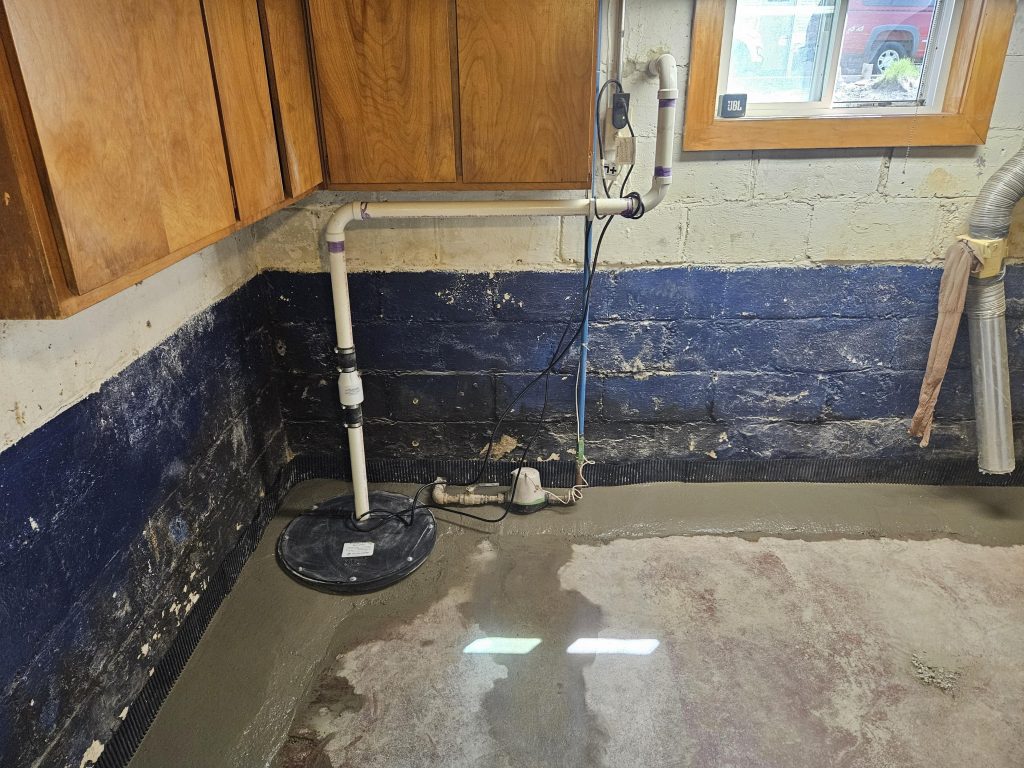
You’ve probably used interior waterproofing coatings in your home, particularly in areas prone to moisture like your basement or bathroom. They’re great for tackling minor leaks and persistent dampness, but what about serious water infiltration? As it turns out, these coatings aren’t always the answer. They can’t address major structural problems or severe leaks, and they might even start to peel in consistently damp environments. So, when do these coatings help, and when do they fall short? Let’s examine the ins and outs to guarantee you’re making an informed decision about moisture management in your home.
 In the domain of home maintenance, understanding interior waterproofing coatings is essential. These coatings are specially designed to protect your home from water damage. They’re typically applied to the interior walls and floors of your basement or any other area that’s susceptible to water infiltration.
You see, water can seep into your home through cracks and other openings, causing a plethora of problems. It can lead to mold growth, damage the structural integrity of your home, and even attract pests.
That’s where interior waterproofing coatings come in. They form a water-resistant barrier that keeps the water out, safeguarding your home and all its contents.
When choosing a waterproofing coating, you’ll encounter a range of options. Some coatings are clear, while others are tinted. Some are designed for specific materials like concrete or wood, while others are more versatile.
It’s key to choose the right one for your specific needs.
There’s a multitude of benefits that come with using interior waterproofing coatings. First and foremost, you’re investing in your property’s longevity.
These coatings provide an effective barrier against moisture, reducing the chances of dampness, mold, and structural damage. You’re not just preserving the aesthetics of your home, but you’re also protecting its structural integrity.
Another key benefit you’ll enjoy is an improved indoor air quality. When you prevent moisture from seeping indoors, you’re also reducing the potential for mold and mildew growth.
These harmful microorganisms can severely affect your air quality, leading to health issues over time. With waterproofing coatings, you’re safeguarding your family’s health and ensuring a cleaner, fresher home environment.
Additionally, these coatings can enhance your property’s value. A well-maintained, waterproofed home is a desirable asset in the real estate market.
So, you’re curious about when it’s best to use interior waterproofing coatings?
Let’s explore this by first understanding what these coatings really are, then we’ll move on to the application process before finally evaluating their success rate in various situations.
Exploring the world of waterproofing coatings helps us understand their immense value, particularly in specific situations. You’ll find these coatings to be more than just a protective layer. They’re a long-term investment in your property’s structural integrity.
Waterproofing coatings are specially formulated substances applied to the interior surfaces of buildings. They’re designed to prevent water and moisture from penetrating the structure, thereby safeguarding it against potential water damage, mold, and mildew. This is particularly critical in areas prone to high moisture levels, such as bathrooms, basements, and kitchens.
It’s crucial to note that not all situations call for waterproofing coatings. They’re ideal when you’re dealing with persistent dampness, efflorescence, or minor leaks. But remember, they aren’t designed to fix major structural issues or severe leaks. For those, you’ll need to seek professional help.
Waterproofing coatings come in various types, each suited to different situations and materials. Some work best on concrete, while others are better suited to wood or drywall. It’s important to choose the right one for your specific needs.
Keep in mind that while waterproofing coatings offer excellent protection, they’re not a standalone solution. They’re a part of a thorough approach to keeping your home dry and damage-free.
Before diving into the application process for waterproofing coatings, it’s crucial to identify the ideal situations where these coatings are most effective. You’d typically use these coatings in damp basements, cellars or other areas prone to moisture buildup.
They’re particularly useful in situations where you’re dealing with minor, consistent dampness rather than severe water intrusion.
Once you’ve identified the need for a waterproofing coating, the application process begins. First, you’ll need to prepare the area. This involves cleaning the surface thoroughly to remove any dirt, loose concrete, or mold.
You must also repair any cracks or holes in the walls or floors.
Next, you apply the coating using a brush, roller, or sprayer, depending on the size of the area and the product’s instructions. It’s important to make sure you apply a consistent, thick layer across the entire surface.
This isn’t a quick slap-dash job; you’ll need to be meticulous to get good results.
While the waterproofing coating application process is essential, understanding when and where these coatings are most effective can make or break your success rate. The effectiveness of waterproofing coatings largely depends on the situation and conditions in which they’re applied. For instance, they work best in damp, but not flooded, interiors.
Now, let’s evaluate your success rate. You’ve diligently applied the coating, but how do you know it’s working? First, pay attention to the area’s overall moisture level. If it’s decreased considerably, you’re on the right track.
Keep in mind, however, that it’s normal for the area to remain slightly damp for a while after application as the coating cures.
Second, check for visible signs of water damage, like peeling paint or water stains. If these signs disappear after your waterproofing efforts, that’s a good indication of success.
While interior waterproofing coatings can be a lifesaver in many situations, they’re not without their limitations.
You might come across inherent weaknesses in the coating itself or instances where using them simply isn’t appropriate.
Let’s explore these drawbacks to fully understand when and where these coatings are most effective.
Despite their numerous benefits, interior waterproofing coatings have their share of inherent weaknesses. You might’ve been sold on the idea that these coatings are an all-encompassing solution for dampness and water seepage, but they aren’t without their flaws.
To start, they aren’t a permanent fix. Over time, coatings can deteriorate due to constant exposure to water and humidity. You’ll likely need to reapply them at regular intervals to maintain their effectiveness. This isn’t a one-and-done solution.
Secondly, they can’t withstand high hydrostatic pressure. If water pressure builds up behind the coating, it can cause cracks and eventual failure of the waterproofing layer. So, in cases of heavy rainfall or flooding, you might find your waterproofing efforts falling short.
Lastly, these coatings are susceptible to damage from sharp objects and heavy equipment. If they’re scratched or punctured, their waterproofing abilities are compromised. Consequently, you need to be careful when moving furniture or performing renovations.
In light of these weaknesses, certain situations are simply not suitable for interior waterproofing coatings. For instance, if you’re dealing with water seeping from outside, a mere coating on your home’s interior won’t solve the problem. It can’t stop water from infiltrating the exterior walls or foundation.
Also, interior coatings aren’t designed for surfaces that are continually damp or wet. If you’re dealing with such conditions, you might end up with a coating that peels or blisters.
Similarly, these coatings can’t repair structural damages. If your walls or floors have cracks, an interior waterproofing coating won’t be the solution.
Here’s a quick rundown of scenarios where interior waterproofing coatings won’t work:
| Inappropriate Use Cases | Why It Doesn’t Work |
|---|---|
| Water Seepage from Outside | Can’t stop water from infiltrating exterior walls |
| Continually Damp Surfaces | May lead to peeling or blistering of the coating |
| Structural Damages | Can’t repair cracks or damages in walls or floors |
| High Humidity Areas | May not adhere properly or could promote mould growth |
| Exterior Waterproofing Needed | Interior coatings can’t replace exterior waterproofing |
You might think that applying waterproofing coatings is the ultimate solution to interior water damage. They’re fantastic, sure, but they’re not always enough. In certain situations, the severity of the water damage can surpass the capabilities of these coatings.
Let’s say you’ve got a basement with cracks in the walls or floor. You apply a waterproofing coating, hoping to block out any incoming water. But if the pressure from water outside is too great, it’ll just keep pushing through. Waterproofing coatings can’t withstand that kind of force.
Or maybe you’re dealing with a leaking pipe inside your walls. Coatings can’t reach these hidden areas, so they won’t be able to prevent damage here. Interior water damage from leaks like this needs a different approach.
It’s also important to remember that while coatings can help control dampness, they don’t always eliminate the underlying issues causing the moisture. If the moisture’s coming from high humidity or a lack of ventilation, you’ll need to address these problems separately.
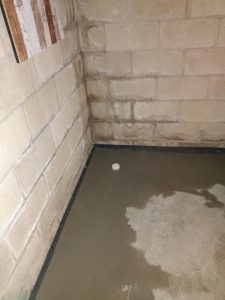 So, what can you do if waterproofing coatings aren’t holding up their end of the bargain? Well, there are a few alternatives you may want to contemplate.
Firstly, you could opt for wall panels and tiles. They’re typically water-resistant and can withstand high levels of humidity, making them a solid choice.
Plus, they come in various designs, so you can keep your interior stylish while ensuring protection.
Another option is using a concrete sealer. It’s not the same as a waterproof coating, but it can help by providing a water-resistant barrier.
Just remember, it’s not a long-term solution and may require reapplication over time.
You could also think about installing a sump pump or a French drain system. These options are more extensive and require professional help, but they can be more effective in preventing water intrusion, especially during heavy rainfall or flooding.
Lastly, you might want to reflect on improving exterior drainage. While not a direct interior waterproofing method, it can lessen the amount of water that reaches your home’s structure, thereby reducing the need for interior waterproofing.
Without proper maintenance, even the best waterproofing coatings can fail over time.
It’s essential to understand that these coatings aren’t a one-and-done solution. You’ve got to put in the work to guarantee they stay effective.
Firstly, always keep the area clean. Dirt and debris can degrade the coating, reducing its effectiveness. So, regularly sweep or vacuum the area, and wipe down the walls with a damp cloth.
Next, inspect the coating periodically. Look for cracks, peeling, or other signs of damage. If you spot any, you’ll need to reapply the coating in those areas.
Preventative measures also play a part. Try to minimize the amount of moisture that comes into contact with the coating. That could mean fixing leaky pipes, installing a dehumidifier, or improving ventilation.
It’s also worth noting that not all coatings are the same. Some may require specific upkeep. Always follow the manufacturer’s instructions to the letter.
So, you’ve learned that interior waterproofing coatings can be a real game-changer in managing minor leaks and persistent dampness. But remember, they’re not your fix-all solution. They won’t tackle major structural issues or severe leaks. If you’re dealing with a consistently damp environment, you might need to explore alternatives. Keeping your coating well-maintained is key, but understanding its limitations is just as essential for effective moisture management.

Tom Trinko is the dedicated owner of Basement Repair Specialists, a company renowned for its expert solutions in basement and foundation repairs. With a strong commitment to excellence and customer satisfaction, Tom has led his team to become one of the leading providers in the industry. Under his guidance, Basement Repair Specialists have developed a reputation for their reliability, innovative repair techniques, and exceptional service. Tom’s leadership is defined by his vast industry knowledge, customer-first approach, and a steadfast dedication to providing homeowners with cost-effective, durable solutions for their basement and foundation needs. For more information about Tom Trinko and the services offered by Basement Repair Specialists, visit their website at https://basementrepairspecialists.com/.
Contact the Professionals at Basement Repair Specialists, LLC Today! (855) 554-7246