

You’re a resident of Appleton, WI, and you own an older home. It’s charming, yet presents a unique set of challenges, one of which is waterproofing. You’ve probably observed a leak or two, or maybe you’re concerned about possible future water damage. Have you wondered how to best protect your home against Appleton’s specific weather conditions and what local resources are available? Let’s explore some key strategies and local solutions to keep your home dry and secure. After all, it’s not just about fixing a leak, it’s about preserving your home’s legacy.
 Waterproofing, a home-maintenance essential, is often overlooked until it’s too late. Your old home deserves the attention it needs to prevent moisture issues that can lead to costly repairs. Let’s dive into understanding home waterproofing.
Start with the installation of moisture barriers and vapor barriers. These are crucial in preventing water seepage into your home. They’re applied to your home’s walls and floors, providing a layer of protection against moisture.
Next, consider drainage systems, landscape drainage, and exterior grading. These ensure water flows away from your home, not into it. Remember, correct exterior grading is enforced by building codes, so it’s not just a suggestion, it’s a requirement.
Foundation sealing is your next step. It involves applying water resistant coatings to your home’s foundation, offering another layer of defense against water ingress.
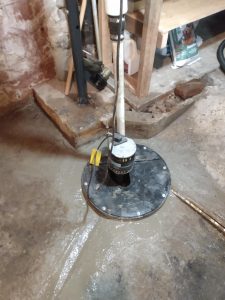
Don’t forget about the sump pump installation. This device removes water that’s collected in a sump basin, usually found in your home’s basement.
Lastly, humidity control is vital in maintaining a dry, comfortable home. It’s not just about preventing water damage, but also about creating a healthier living environment.
Now you’re a step closer to having a well-protected, water-resistant home.
Ever wondered what signs point to water issues in your old home? Well, you’re not alone. Many homeowners grapple with identifying the telltale signs of water problems, yet it’s a crucial step in ensuring that your home stays dry and damage-free.
Here are some common water issues you can keep an eye out for:
Having identified potential water issues in your older home, it’s time to assess its overall vulnerability to water damage.
First, evaluate your drainage systems. Are they efficiently diverting water away from your home? Foundation cracks can also contribute to water damage. Check for these regularly and fix them as soon as possible.
Moisture barriers and sump pumps are crucial in preventing water damage. If you don’t have these installed, it’s worthwhile to consider them.
Also, consider your home’s landscape grading. If the soil grading directs water towards your house, you’re risking potential water damage.
Water resistant coatings can be a lifesaver for older homes. They provide an extra layer of protection and are worth the investment.
Regular plumbing inspections are also a must. They’ll help you spot any leaks or weaknesses in your system early on.
Pay attention to humidity levels within your home. High humidity can lead to condensation and mold growth. Proper ventilation systems can help control these levels and prevent a moist environment.
Next up, let’s talk about basement waterproofing techniques.
You’ll start by learning how to identify basement leaks so you can understand where the problem lies.
Then, we’ll guide you through implementing effective waterproofing solutions to tackle these issues head-on.
Nine times out of ten, the first sign of a basement leak is a musty smell. This odor is your cue to start some serious leak detection work. You can’t ignore it, because moisture in your basement can lead to significant damage over time, not to mention health issues due to mold.
Your first step is a thorough basement inspection. You’re looking for signs of water intrusion, such as damp spots, mold, or cracks in the walls or floor. Once you’ve identified possible problem areas, it’s time to put on your detective hat and track down the source of the leak.
Here are four signs to look for during your inspection:
Once you’ve pinpointed the source of your basement’s water problem, it’s time to choose your weapon and fight back. Here are some effective waterproofing techniques.
For issues linked to rainwater, consider improving your drainage systems, making grading adjustments, or trying landscaping solutions. These methods work by redirecting water away from your house, preventing it from seeping into your basement.
If your problem is groundwater, a sump pump can be your best bet. It’s designed to pump out any water that collects in a specially made pit, keeping your basement dry.
Another option is to focus on your basement’s interior. Foundation sealing, applying waterproof coatings, and setting up moisture barriers can stop water from getting inside. Ventilation improvements can also be made to reduce humidity levels.
Here’s a handy table to summarize:
| Technique | Problem Solved | Difficulty Level |
|---|---|---|
| Drainage Systems | Rainwater | Moderate |
| Grading Adjustments | Rainwater | Moderate |
| Landscaping Solutions | Rainwater | High |
| Sump Pumps | Groundwater | High |
| Foundation Sealing | Interior Moisture | Moderate |
While your home’s interior might get the most attention, it’s important not to overlook the roof and attic when it comes to waterproofing.
To maintain the structural integrity of your home, here are four essential steps for effective roof and attic waterproofing:
Seasonal checks help in early leak prevention, ensuring the roof’s longevity.
It prevents heat loss in winter and keeps your home cool in summer, reducing the chances of condensation build-up.
This also contributes to the overall energy efficiency of your home.
Additionally, proper drainage solutions protect your roof from water damage.
Now that you’ve tackled your roof and attic, it’s time to turn your attention to your home’s exterior.
Identifying exterior vulnerabilities is a crucial first step before you decide on which waterproofing materials to choose.
Once you’ve made your selection, understanding the right application methods and maintenance tips will ensure your exterior remains dry and protected.
Your home’s exterior serves as the first line of defense against the elements.
It’s critical to identify any vulnerabilities to ensure it’s properly protected.
Let’s break down this process into four steps:
A professional inspection is recommended for older homes, as they may have hidden or difficult-to-spot vulnerabilities.
They’re crucial in directing water away from your home, preventing it from pooling around the foundation.
Replace any damaged seals and consider applying an additional layer of exterior sealing for added protection.
These coatings add an additional layer of defense against the elements.
Selecting the right waterproofing materials is a crucial step to protecting the exterior of your home. There’s a broad range of waterproofing types to choose from, each offering unique benefits. You’ll need to consider factors like the age and condition of your home, your budget, and the climate in your area. Material durability is also a key factor.
Here’s a table that might help you understand better:
| Waterproofing Type | Material Durability |
|---|---|
| Liquid Waterproofing Membrane | High |
| Bituminous Coating | Moderate |
| Cementitious Waterproofing | High |
| Polyurethane Liquid Membrane | Very High |
| Silicone Coatings | High |
Liquid waterproofing membranes are versatile and easy to apply, with a high durability rating. Bituminous coating is an excellent choice for areas that aren’t exposed to sunlight. Cementitious waterproofing is easy to use and highly durable. Polyurethane liquid membranes are very durable, but more expensive. Silicone coatings, while durable, might need frequent reapplications.
A few well-chosen strategies can significantly improve the effectiveness of your waterproofing efforts and extend the lifespan of the materials.
Consider the following tips to protect your home’s exterior.
Ensure gutters and downspouts are clear of debris, and water flows away from your home’s foundation.
They’re typically applied on the exterior walls and around windows and doors.
Minor cracks can become major issues if water seeps in and freezes, causing further damage.
Quality products may cost more initially, but they’ll save you money in the long run by preventing costly repairs.
Controlling indoor moisture can make a significant difference in waterproofing your older home. Humidity control is key, and it’s important to understand how to manage it effectively. Use moisture barriers in damp areas, such as your basement or attic, to prevent water from seeping into your home.
Air circulation plays a pivotal role in moisture control. It eliminates stagnant air pockets where moisture can accumulate. You can improve air circulation by strategically placing fans in your home, or consider investing in a whole-house fan system.
Ventilation strategies are crucial in areas like your kitchen and bathroom where moisture often accumulates. Use exhaust fans or install new windows for better ventilation.
Condensation solutions, such as weather-stripping your windows, can also help reduce moisture.
Explore dehumidifier options to control humidity, especially in damp areas. Insulation techniques, such as installing vapor barriers, can also help prevent condensation.
Remember, proper insulation keeps your home warm in winter and cool in summer, which can also help control indoor humidity.
Lastly, be proactive in mold prevention. Moist conditions foster mold growth, which can damage your home and your health. Regular inspections and cleaning can prevent mold before it becomes a major issue.
While it’s true that you can undertake some waterproofing tasks on your own, there are times when you’ll need professional help. Choosing the best local waterproofing services in your city can be a daunting task. But don’t worry, we’ve got you covered.
Here are some things you should consider when selecting local contractors for your waterproofing project:
Selecting local waterproofing services is a crucial step in safeguarding your old home against water damage.
Do your research, ask the right questions, and don’t rush your decision. Your home’s longevity depends on it.
 After selecting the right local waterproofing services, keeping up with routine maintenance will extend the life of their work and your home. Proper care doesn’t have to be costly; there are cost-effective maintenance tips to help you manage your waterproofing system.
Firstly, regularly inspect your drainage systems. When they’re in top-notch condition, they’ll effectively divert water away from your home. So, keep gutters clean and ensure downspouts are directed away from your home’s foundation. This simple practice can save you a ton of money in water damage repairs.
Next, check your moisture barriers. These barriers are your home’s first line of defense against water intrusion. They should be intact and correctly installed. If you notice any damage or gaps, it’s time to call in the professionals for a fix.
Also, remember, it’s not just about what’s outside your house. Check for any signs of moisture inside, too. Look for damp walls, peeling paint, or a musty smell. These could be signs of a hidden leak or condensation problems.
In Appleton, WI, the climate greatly impacts your waterproofing needs for older homes.
High humidity levels can increase moisture within your home, leading to mold and structural damage.
Additionally, the city’s rainfall patterns can cause water seepage, deteriorating your home’s foundation over time.
Therefore, it’s crucial to assess and update your waterproofing measures regularly to protect your home.
In Appleton, WI, you’ll need to be aware of certain local regulations before starting your waterproofing project.
Most importantly, building codes and property permits can impact what you’re allowed to do. It’s vital you check these codes and secure necessary permits to avoid fines.
Additionally, older homes may have specific regulations, so it’s best to consult with a local expert before beginning.
Compliance ensures your project’s legality and success.
You’ll often find that waterproofing historical buildings in Appleton, WI presents unique challenges.
Many older structures lack moisture barriers, leading to potential water damage. You might encounter foundation issues too, with cracks allowing water seepage.
It’s crucial to address these problems without damaging the building’s historical integrity. Always consult a professional to ensure you’re complying with local regulations and preserving the charm of your vintage property.
Yes, there are. In Appleton, WI, you’ll discover various funding opportunities and community programs that aid in waterproofing older homes.
These grants or incentives are designed to help preserve the city’s historical charm. You’re encouraged to research thoroughly and apply promptly, as such incentives can be competitive.
Don’t miss out on these opportunities to safeguard your older home against water damage while saving some cash in the process.
You’re in luck! Appleton, WI boasts several local vendors selling sustainable, eco-friendly waterproofing materials.
Check out other vendors for a variety of options that’ll suit your needs.
They’re dedicated to providing products that are kind to the environment and perfect for older homes.
So, you’re not only safeguarding your home but also contributing to a greener Appleton, WI.
It’s a win-win situation!
In conclusion, waterproofing your older Appleton, WI home isn’t a daunting task. Start by assessing your drainage and checking for cracks. Use high-quality waterproofing materials and hire licensed, well-reviewed local contractors. Remember, your home’s defense against water damage lies in your hands. With the right strategies and experienced professionals, you’ll safeguard your home and enjoy peace of mind. Keep up with maintenance, and your home will stand strong against Appleton’s unique weather conditions.

Tom Trinko is the dedicated owner of Basement Repair Specialists, a company renowned for its expert solutions in basement and foundation repairs. With a strong commitment to excellence and customer satisfaction, Tom has led his team to become one of the leading providers in the industry. Under his guidance, Basement Repair Specialists have developed a reputation for their reliability, innovative repair techniques, and exceptional service. Tom’s leadership is defined by his vast industry knowledge, customer-first approach, and a steadfast dedication to providing homeowners with cost-effective, durable solutions for their basement and foundation needs. For more information about Tom Trinko and the services offered by Basement Repair Specialists, visit their website at https://basementrepairspecialists.com/.
Contact the Professionals at Basement Repair Specialists, LLC Today! (855) 554-7246