

Foundations are the backbone of any building, supporting the weight and stability of the structure above them. When a foundation begins to deteriorate or show signs of damage, it can compromise the safety and integrity of the entire building. As professionals,foundation repair specialists focus on identifying underlying causes of foundation issues and implementing the most effective repair solutions to ensure the long-term stability of homes and buildings.
In this article, we will explore common foundation problems, their causes, and various repair methods from a professional’s perspective.
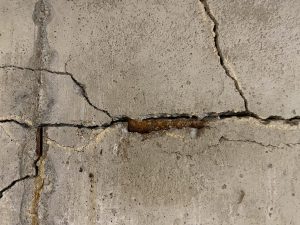 The first step in foundation repair is identifying the specific problem. Foundation issues are often noticeable through various symptoms, which may include:
Cracks in foundation walls, slabs, or floors are often the first visible sign of foundation issues. Horizontal or stair-step cracks in brick or concrete walls indicate lateral pressure from soil movement, while vertical cracks may result from settlement. Hairline cracks, on the other hand, may be due to normal shrinkage and may not always signal a serious problem.
Floors that appear uneven, sloped, or sagging may suggest foundation settlement or soil erosion beneath the foundation. This can create gaps between walls and floors, leading to further structural problems.
Doors and windows that are difficult to open or close are often a sign of shifting or settling foundations. As the foundation moves, the frames become misaligned, causing sticking or gaps.
Foundation walls that bow or lean inward often indicate pressure from expansive soils or water buildup. This can compromise the strength of the foundation and, if left untreated, can lead to collapse.
Understanding the root cause of foundation problems is critical for determining the most appropriate repair method. Foundation issues are commonly caused by one or more of the following factors:
Expansive soils, such as clay, absorb water and expand, exerting pressure on foundation walls. Conversely, during dry conditions, these soils shrink, creating voids beneath the foundation that cause settlement.
Inadequate drainage around the foundation allows water to accumulate, increasing hydrostatic pressure on the foundation walls. Over time, this pressure can cause cracks and water infiltration, weakening the foundation.
Foundations that are poorly designed or constructed using substandard materials are more prone to settling, cracking, and other structural issues.
The roots of large trees can grow beneath the foundation, causing soil displacement and uneven settling. This can lead to cracks in the foundation or the lifting of sections of the foundation.
Extreme temperature fluctuations and freeze-thaw cycles can cause soil to expand and contract, leading to foundation movement and cracks.
Once the cause of the foundation problem has been identified, professionals can recommend the appropriate repair methods. These methods vary depending on the type of foundation and the severity of the damage. Below are some of the most common foundation repair techniques used by professionals:
Helical piersare one of the most effective solutions for stabilizing and lifting a settling foundation. These steel piers are screwed deep into the soil until they reach stable bedrock or load-bearing strata. Once the piers are in place, they provide support and can lift the foundation back to its original level.
Thismethod is ideal for homes with significant foundation settlement, as it provides long-term stability. Helical piers are quick to install and cause minimal disruption to the surrounding landscape.
Push piers are similar to helical piers but are driven into the ground using hydraulic pressure. These piers are pushed down until they reach load-bearing soil or bedrock. Once in place, push piers are used to stabilize and lift the foundation. This method is often used in situations where the foundation has experienced vertical settlement due to unstable soil.
Slab jacking, also known as mudjacking, is a method used to lift sunkenconcrete slabs or foundations. A mixture of cement, sand, and other materials is pumped under the foundation through small holes drilled into the slab. The mixture fills voids beneath the foundation and raises it to the desired level. Slab jacking is commonly used for minor settlement issues and is a cost-effective solution for lifting sunken areas of the foundation.
Carbon fiber reinforcementis a non-invasive method used to repair foundation walls that have cracked or bowed due to lateral pressure. Carbon fiber straps are applied to the interior surface of the foundation walls and bonded with epoxy. These straps provide additional strength to the walls, preventing further bowing or cracking.
This method is ideal forrepairing horizontal or stair-step cracks in concreteor masonry walls and is less disruptive than traditional wall replacement methods.
Wall anchors are used to stabilize and straighten foundation walls that have bowed or leaned due to soil pressure. This method involves installing steel plates on the interior and exterior of the foundation wall and connecting them with steel rods. The anchors are then tightened to gradually pull the wall back to its original position. Wall anchors are highly effective in preventing further wall movement and can restore structural integrity.
For minor cracks in foundation walls, epoxy injections are a simple and effective repair method. Epoxy is injected into the cracks, filling them and creating a watertight seal. This method restores the structural integrity of the foundation andprevents water from infiltrating the basement.
In addition to repair methods, foundation repair professionals emphasize the importance of preventative measures to avoid future foundation problems. These measures help protect the foundation from damage caused by water, soil movement, and other environmental factors.
Proper drainage is essential for preventing water from accumulating around the foundation. Installing downspout extensions, French drains, and surface drainage systems can help divert water away from the home. Additionally, grading the soil around the foundation to slope away from the house prevents water from pooling near the foundation walls.
For homes with water infiltration issues, installing a sump pump is a proactive solution to prevent water from building up around the foundation. Sump pumps are installed in a pit below the basement floor, and when water enters the pit, the pump activates to remove the water from the basement and direct it outside the home.
Soil stabilization techniques, such as injecting chemical compounds or grouting into the soil, can improve the soil’s load-bearing capacity. This method helps prevent foundation settlement by stabilizing the soil beneath the foundation.
Regular inspections by a foundation repair professional can help identify early signs of foundation problems before they escalate. Addressing minor issues, such as small cracks or drainage problems, can prevent more extensive and costly repairs down the line.
From diagnosing the cause of foundation issues to implementing effective repair solutions,foundation repair professionalsplay a critical role in maintaining the structural integrity of homes and buildings. Using advanced methods such as helical piers, wall anchors, and carbon fiber reinforcement, they provide homeowners with long-lasting solutions to foundation problems. Additionally, preventative measures such as improving drainage and conducting regular inspections help protect foundations from future damage.
By employing a comprehensive approach to foundation repair, professionals ensure the safety and stability of the structures they work on, giving homeowners peace of mind for years to come.
Contact the Professionals atBasement Repair SpecialistsToday!(855) 554-7246

Tom Trinko is the dedicated owner of Basement Repair Specialists, a company renowned for its expert solutions in basement and foundation repairs. With a strong commitment to excellence and customer satisfaction, Tom has led his team to become one of the leading providers in the industry. Under his guidance, Basement Repair Specialists have developed a reputation for their reliability, innovative repair techniques, and exceptional service. Tom’s leadership is defined by his vast industry knowledge, customer-first approach, and a steadfast dedication to providing homeowners with cost-effective, durable solutions for their basement and foundation needs. For more information about Tom Trinko and the services offered by Basement Repair Specialists, visit their website at https://basementrepairspecialists.com/.
Contact the Professionals at Basement Repair Specialists, LLC Today! (855) 554-7246