
Give us a call (24/7) at
Schedule Your Free 1-Hour Basement Waterproofing Inspection(855) 554-7246
A Great Job at a Great Price!®
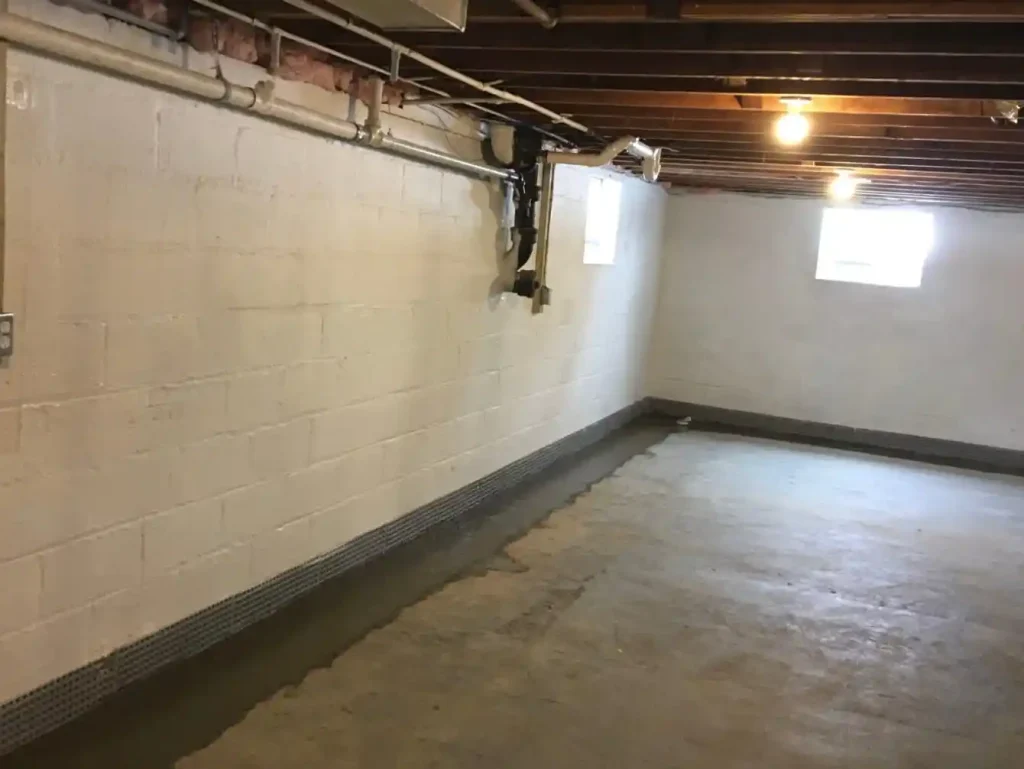
Did you know that properbasement waterproofingcan greatly increase the value and longevity of your home? It’s not just about preventing water damage, but also about maintaining structural integrity and a healthy living environment. You’ll need to evaluate several factors such as regular inspections, recognizing early signs of water problems, and understanding the right waterproofing methods for your unique situation. But, how do you go about this complicated process and which techniques should you utilize for maximum effectiveness? There’s a wealth of information to help you navigate this essential home-maintenance task, so why not start exploring?
In the domain of home improvement, understandingbasement waterproofingis vital. It’s a preventative measure to keep your basement dry, your home’s structure safe, and your living space free from harmful molds and mildew.
Let’s begin with the basics. You need to understand that waterproofing doesn’t only involve applying a sealant on your basement walls. It’s a holistic process that starts with managing water runoff from your roof down to the ground.
You’ll need gutters and downspouts that are properly positioned to divert rainwater away from your home’s foundation.
Next, consider the soil grading around your house. It should slope away from your home to prevent water from pooling around the foundation and seeping into your basement. If it doesn’t, you might need to invest in regrading your yard or installing a French drain system.
Lastly, understand the importance of a sump pump. It’s the last line of defense against water intrusion, pumping out any water that makes its way into your basement.
Each component is essential and collectively they form a thorough basement waterproofing system. Without a properly designed and maintained system, you’re inviting water damage.
Having understood the components of a thorough basement waterproofing system, you shouldn’t overlook the importance of regular inspections. It’s not just about installing the system and forgetting it. Your system needs consistent checks to confirm it’s working at peak efficiency.
Regular inspections can help spot minor issues before they escalate into bigger, more expensive problems. Inspecting your basement frequently allows you to keep up with its condition and performance. You’ll be able to identify areas that need attention, such as cracks in the walls, floors, or ceilings, which could potentially lead to water damage if not addressed promptly.
But it’s not just the visible aspects you should focus on. You also need to check the functionality of your sump pump, the integrity of your drainage system, and the effectiveness of your dehumidifiers. Each component plays a critical role in maintaining a dry, healthy basement.
You’re about to tackle the challenge of identifying common water problems in your basement.
First, it’s important to know how to spot signs of water damage, so you’re not left dealing with a bigger issue down the line.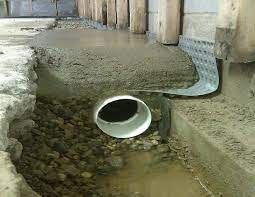
Understanding the causes of basement dampness will also be vital in your efforts to keep your basement dry and your home safe.
Spotting signs of water damage in your basement isn’t just about looking for visible wet spots. It’s about understanding the subtle indicators that can save you from costly repairs. Let’s explore some of these signs.
You might notice a stale or musty odor. This smell is often a sign of mold or mildew, which thrives in damp conditions. Also, look for changes in your walls and floor. If they’re damp or discolored, it might indicate a water issue. Cracks in the foundation or walls can also signal water damage, as water can seep through these openings.
Here’s a table to help you remember these signs:
| Sign | What to Look for | Possible Cause |
|---|---|---|
| Smell | Musty odor | Mold or mildew |
| Walls/Floor | Dampness or discoloration | Water seepage |
| Cracks | In foundation or walls | Water penetration |
Lastly, don’t forget to check for rust on appliances or metal objects in your basement. This could be a sign of excessive humidity. By spotting these signs early, you can take action to resolve water damage before it escalates.
After understanding the signs of water damage in your basement, let’s turn our attention to the main culprits behind these issues. Identifying the root causes of basement dampness is essential to applying the correct waterproofing measures.
The most common causes of basement dampness include:
Understanding these causes helps you take proactive steps towards waterproofing your basement.
You must ascertain that your home has proper drainage, good ventilation to reduce condensation, and a solid foundation to resist groundwater pressure.
By addressing these issues head-on, you’re not just fixing the symptoms of a damp basement, but you’re tackling the problem at its source.
This approach will make your basement waterproofing efforts more effective and long-lasting.
Steering through the myriad of basement waterproofing methods can feel like traversing a maze. But don’t worry, you’re not alone in this journey. The key is to understand your basement’s unique needs and choose the method that best addresses those issues.
Interior waterproofing, for instance, is an excellent option if you’re dealing with condensation or minor leaks. It typically involves applying waterproof coatings or sealants to your basement walls. These create a water barrier, keeping your basement dry and clean.
Exterior waterproofing, on the other hand, is a more all-encompassing solution. It’s designed to prevent water from ever reaching your basement walls. This method often involves the installation of a drainage system and the application of a waterproof membrane to the exterior of your basement walls.
It’s a more costly and labor-intensive option, but it offers a long-term solution to serious water intrusion problems.
Lastly, there’s the drainage method. If you’re dealing with a high water table or frequent heavy rains, a proper drainage system could be your saving grace. It diverts water away from your home, preventing it from causing any damage.
Now that you’re well-versed with the various waterproofing methods available, it’s time to arm yourself with some practical DIY waterproofing tips and tricks. With careful preparation and the right tools, you can effectively waterproof your basement and protect your home from potential water damage.
First off, remember to thoroughly clean your basement before starting any waterproofing project. Debris and dirt can interfere with the application of waterproofing products. Use a stiff brush to scrub away any surface dirt, paying special attention to corners and crevices.
Next, consider these essential tips:
Now let’s consider bringing in the experts for your basement waterproofing needs.
It’s important to know how to evaluate potential waterproofing professionals and understand their service costs.
In the next sections, we’ll guide you through these essential steps, ensuring you get the best value and service for your investment.
Choosing the right waterproofing expert can be a challenging task, but with the right approach, you can guarantee you’re making a wise decision.
It’s important to start by conducting thorough research. Look for professionals who specialize in basement waterproofing and have a proven track record of success.
To further evaluate potential experts, consider the following:
Once you’ve shortlisted potential experts, don’t hesitate to ask questions. Find out about their methods, materials used, and if they offer any warranties.
It’s also important to see if they conduct an initial assessment to determine the extent of the issue and the best way to tackle it.
Understanding the costs involved in hiring professional waterproofing services is essential for any homeowner. Costs can vary considerably, depending on the severity of the problem, the size of your basement, and the methods used to waterproof it.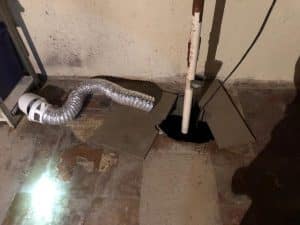
Generally, you’ll find that the expense of professional services is a worthwhile investment considering the potential damages a leaky basement can lead to, such as structural issues, mold growth, and decreased property value.
When receiving a quote, make certain it includes all aspects of the job. This should cover initial assessments, labor, materials, and any follow-up visits.
Don’t be shy about asking for a detailed breakdown. It’s your right to know where your money is going.
Remember, costs can fluctuate based on the waterproofing company itself. Some companies might offer deals or discounts, so it’s worth shopping around.
But don’t let price be your only deciding factor. It’s paramount to hire a reputable, experienced company to guarantee a job well done.
You’re looking at a range typically between $500 to $10,000 for professional basement waterproofing. It’ll vary based on the severity of the issue and method used. Always get multiple quotes for a more accurate estimate.
It’s dependent on the severity of your water problem and the method used. Generally, professionals can complete a full basement waterproofing in 1-3 days. However, extensive damage may require up to a week.
Absolutely, basement waterproofing can enhance your home’s value. It not only prevents costly water damage, but it also makes your basement livable, potentially adding square footage to your home’s usable space. It’s a wise investment.
Absolutely, there are health risks if you don’t waterproof your basement. Moisture promotes mold growth, which can cause respiratory issues. It’s not worth the risk, so it’s best you consider waterproofing soon.
You might need to retreat your basement if you’re spotting signs like damp spots, mold growth, a musty smell, or visible water seepage. Don’t ignore these warning signs; they indicate your waterproofing is failing.
In summary, safeguarding your home is like a well-oiled machine, andbasement waterproofingis the cog that keeps the wheels turning. Regular inspections, identifying water issues, selecting the right waterproofing method, and possibly hiring professionals are essential. Remember, your home’s health starts from the ground up. With the proper care, you’ll keep your basement dry, your home safe, and your peace of mind intact. So, don’t delay—start your waterproofing journey today.
Contact the Professionals at Basement Repair SpecialistsToday! (855) 554-7246

Tom Trinko is the dedicated owner of Basement Repair Specialists, a company renowned for its expert solutions in basement and foundation repairs. With a strong commitment to excellence and customer satisfaction, Tom has led his team to become one of the leading providers in the industry. Under his guidance, Basement Repair Specialists have developed a reputation for their reliability, innovative repair techniques, and exceptional service. Tom’s leadership is defined by his vast industry knowledge, customer-first approach, and a steadfast dedication to providing homeowners with cost-effective, durable solutions for their basement and foundation needs. For more information about Tom Trinko and the services offered by Basement Repair Specialists, visit their website at https://basementrepairspecialists.com/.
Contact the Professionals at Basement Repair Specialists, LLC Today! (855) 554-7246