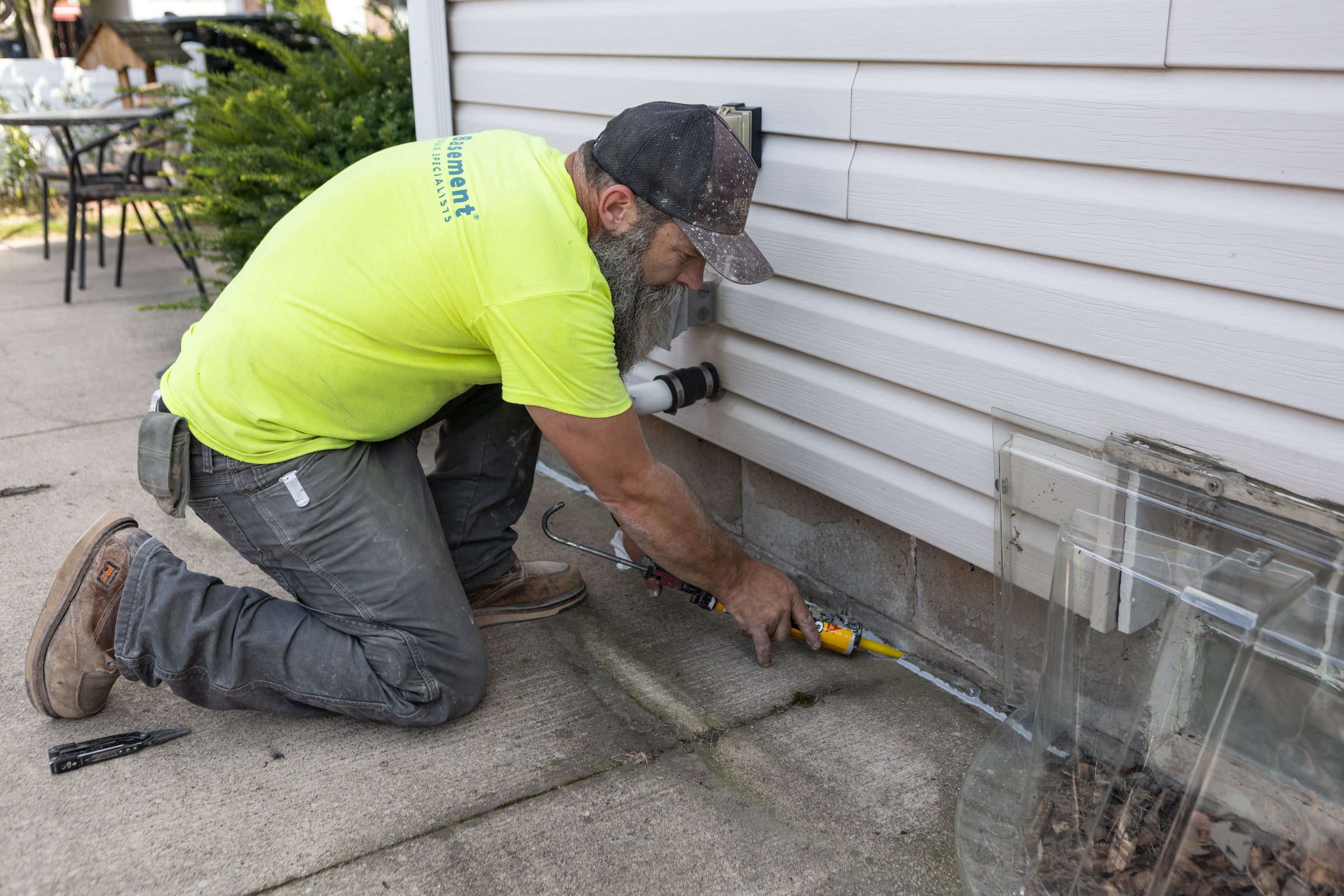
Expert Crack Repair Services for Your Basement Needs
Comprehensive Solutions for Basement Wall Cracks
Cracks in your basement walls can be more than just a cosmetic issue—they can indicate potential problems with your foundation’s integrity. Basement Repair Specialists offer expert crack repair services designed to address both non-structural and structural cracks, ensuring the long-term stability and safety of your home.
Many of the basement wall cracks serviced by Basement Repair Specialists have existed for some time but had not been a homeowner’s priority until after beginning to leak water. While understandable, cracks in the foundation should be a cause of concern for a variety of reasons, whether they leak water or not.
The Importance of Inspecting Basement Wall Cracks
Many of the basement wall cracks we service have existed for some time before homeowners decide to address them, often only after they begin leaking water. While understandable, it’s crucial to recognize that cracks in your foundation should be a cause for concern, whether they leak or not. Here’s why:
Structural Integrity: While most cracks form due to normal concrete shrinkage and are typically non-structural, other factors—such as freeze/thaw cycles, soil movement, and pressure against the foundation—can cause cracks that may eventually compromise the foundation’s integrity.
Soil Gas Entry: Even if a crack doesn’t leak water, it can provide an entry point for potentially dangerous soil gases, including radon, which can negatively impact your basement’s air quality.
Water and Moisture Issues: Leaking cracks are more than just a nuisance—they can lead to increased moisture levels in your basement, promoting mold growth and further deteriorating air quality.
Reasons for Having Basement Wall Cracks Inspected
To rule out any structural deficiency in the foundation. While most cracks form as a result of normal concrete shrinkage and would be considered non-structural, other influences such as freeze/thaw cycles, soil movement and pressure against the foundation can cause cracks to develop. These cracks have the potential to eventually compromise the integrity of the foundation.
Whether a crack leaks water or not, the opening in the concrete may provide an entry for potentially dangerous soil gases, including radon, which will affect the basement’s air quality.
Leaking wall cracks, while annoying, are far more serious than just a wet puddle on the floor. Added water and moisture issues thrive in basement environments, and can result in the growth of mold, thus further compromising the basement’s air quality.
Basement Repair Specialists contractors have received specialized training in foundation crack repair by Emecole, a pioneer of the low pressure injection process. Upon inspection of the crack, your Basement Repair Specialists contractor will know why the crack developed and will utilize the most appropriate repair solution.
Expert Crack Repair Techniques
Our contractors at Basement Repair Specialists have received specialized training in foundation crack repair, utilizing advanced techniques pioneered by Emecole. Upon inspection, our team will diagnose the cause of the crack and recommend the most appropriate repair method.
Non-Structural Crack Repair: For most non-structural cracks, we employ the low-pressure injection of Emecole 102 Premium Polyurethane Foam. This foam expands up to 20 to 30 times its initial volume upon injection, ensuring the crack is completely filled from top to bottom and front to back, effectively sealing out water and soil gases.
Structural Crack Repair: For cracks where structural integrity is a concern, we use the low-pressure injection method with Emecole 121 Premium Epoxy. This epoxy fuses the concrete back together, creating a repair that is stronger than the original concrete. In more severe cases, we may recommend the installation of Carbon Fiber Staples around the repaired crack to reinforce the area and prevent future cracking. For bowed foundations, Carbon Fiber Straps are used to provide necessary stabilization.
With most cracks being non-structural, our most common method is to fill cracks via the low pressure injection of Emecole 102 Premium Polyurethane Foam. Upon injection into the crack, Emecole 102 expands up to approximately 20 to 30 times its initial volume. This expansion ensures that the crack is completely filled from top to bottom and from front to back.
For cracks where the structural integrity is a concern, we utilize the low pressure injection method with the use of Emecole 121 Premium Epoxy. The added strength of epoxy fuses concrete back together. Pending the severity of the structural issue, your Basement Repair Specialists contractor may recommend the added installation of Carbon Fiber Staples, which adds further reinforcement around the repaired crack to protect against additional cracking. For bowed foundations, the installation of Carbon Fiber Straps will provide the stabilization necessary to ensure the upmost structural safety. Trained and certified by Fortress Stabilizations, carbon fiber strap installations installed by your Basement Repair Specialists contractor are warrantied for the life of the home.
Pioneered by Emecole dating back to 1987, the low pressure injection of either polyurethane or epoxy provides an efficient and economical method for repairing most cracks within one hour. The end result is a properly filled crack that keeps out water and dangerous soil gases, including radon, resulting in a dry and healthy basement environment.
Contact Us
Complete the following form and we’ll be in touch with you shortly.
epoxy, polyurethane, basement, waterproofing, leak, sealant, cement, concrete, foundation, soil, concrete block, caulk, water damage, adhesive, home improvement, basement wall crack, foundation wall crack, foundation repair, leaking, basement wall cracks, basement crack repair, basement crack, foundation crack repair, foundation crack, concrete foundation crack, free estimate, water leaking, crack repair, basement foundation repair near me, basement wall repair near me, leaking basement wall, foundation wall repair, basement foundation repair cost, basement wall leak repair, foundation leak repair cost, basement floor repair, fix foundation crack, basement wall repair, foundation cracks, crack in basement wall, basement cracks, basement crack leak repair, plumbing, masonry, mold, polyurethane foam, mortar, sump pump, renovation, concrete slab, drill, patio, french drain, sump, road, information, roof, dehumidifier, resin, repair kit, foundation wall, basement walls, concrete crack, concrete foundation, continue, building, injection, repair, hairline cracks, concrete crack repair, basement wall, cracks in basement floor, seal basement wall cracks, diagonal foundation cracks, cracks in concrete block walls, ventilation, lawn, do it yourself, basement wall crack repair, basement waterproofing, wall, foam, adhesion, warranty, floor, pump, pressure, sealer, foundation wall cracks, foundation crack repair cost, foundation crack repair near me, basement crack repair near me, basement foundation crack repair, sealing foundation cracks, carbon fiber foundation repair, concrete foundation crack repair, foundation wall crack repair, concrete foundation cracks, drywall, brick, foundation crack filler, basement crack sealer, wall crack repair, water, drainage, chimney, wall crack, stair step cracks, horizontal cracks, basement foundation, fix basement wall crack, basement wall repair cost, fixing foundation cracks from the outside, leak in basement wall, groundwater, paint, chisel, length, radon, pipe, construction, moisture, carbon fiber basement wall repair, filling cracks in concrete walls
Frequently Asked Questions
Can basement cracks be a sign of foundation damage?
Basement cracks can indicate potential foundation damage. It's crucial to assess these cracks promptly, as they may compromise the structural integrity of your home if left unaddressed.
What are the signs of a serious basement wall crack?
The signs of a serious basement wall crack include significant width (over 1/4 inch), horizontal or stair-step patterns, water leakage, and the presence of mold or dampness. These indicators suggest potential structural issues that require immediate attention.
How much does it cost to fix a basement wall crack?
The cost to fix a basement wall crack varies based on the severity and type of crack, typically ranging from $300 to $1,500. A professional inspection can provide a more accurate estimate tailored to your specific situation.
Do I need to fix every crack in my basement wall?
Not every crack in your basement wall requires immediate repair. However, it's essential to address significant cracks that may affect structural integrity or indicate water intrusion to prevent further damage.
Can a basement wall crack cause water damage?
A basement wall crack can indeed cause water damage. When cracks form, they create pathways for moisture to enter, potentially leading to flooding, mold growth, and structural issues if not addressed promptly.
What causes cracks in basement walls?
Cracks in basement walls are caused by a variety of factors, including soil movement, water pressure, temperature fluctuations, and poor construction practices. Addressing these issues promptly is essential to maintaining the structural integrity of your basement.
Can I fix a basement crack myself?
Fixing a basement crack yourself is possible, but it requires careful assessment and appropriate materials. For minor cracks, DIY solutions like epoxy or polyurethane can be effective, but significant issues may need professional intervention to ensure structural integrity.
How do I fix a small crack in my basement wall?
To fix a small crack in your basement wall, clean the area around the crack, then apply a high-quality hydraulic cement or epoxy filler to seal it. Ensure the surface is smooth and allow it to cure properly for effective results.
Can basement cracks cause water damage?
Basement cracks can indeed cause water damage. When these cracks form, they create pathways for moisture to seep into the basement, potentially leading to flooding, mold growth, and structural issues.
How much does basement crack repair cost?
The cost of basement crack repair varies depending on the severity of the damage and the repair method used. Typically, prices range from $500 to $3,000, with an inspection often necessary to provide an accurate estimate.
Is it necessary to repair a basement wall crack?
Repairing a basement wall crack is essential to maintain structural integrity and prevent further damage. Ignoring these issues can lead to more severe problems, including water intrusion and foundation instability.
Can epoxy injections fix basement wall cracks?
Epoxy injections can effectively fix basement wall cracks. This method seals the cracks, restores structural integrity, and prevents water infiltration, making it a reliable solution for maintaining a safe and dry basement.
Do basement wall cracks affect home value?
Basement wall cracks can significantly affect home value. Potential buyers often view these cracks as indicators of structural issues, which may lead to lower offers or difficulty in selling the property.
What are the signs of basement wall crack damage?
The signs of basement wall crack damage include visible cracks in the walls, water stains, dampness, and bowing or leaning walls. These indicators suggest structural issues that require immediate attention to prevent further damage.
Can I DIY basement wall crack repair?
DIY basement wall crack repair is possible, but it requires careful assessment and the right materials. While minor cracks can be addressed with sealants, significant structural issues should be handled by professionals to ensure safety and effectiveness.
How to fix a basement crack from the inside?
Fixing a basement crack from the inside involves cleaning the crack, applying a concrete patch or epoxy filler, and ensuring proper sealing to prevent moisture intrusion. This method helps restore structural integrity while addressing potential water damage.
What is the best basement crack sealant?
The best basement crack sealant is a high-quality polyurethane or epoxy-based product, as these materials provide excellent adhesion and flexibility, effectively sealing cracks and preventing water intrusion while ensuring long-lasting durability.
What is the cost of basement wall crack repair?
The cost of basement wall crack repair varies depending on the severity of the cracks and the repair method used. Typically, prices range from $300 to $1,500, with an inspection often providing a more accurate estimate.
Can basement wall cracks cause flooding?
Basement wall cracks can indeed lead to flooding. When water seeps through these cracks, it can accumulate in the basement, causing potential damage and creating an environment for mold growth.
How to repair a small basement crack?
Repairing a small basement crack involves cleaning the area, applying a suitable epoxy or polyurethane sealant, and ensuring proper curing. This process helps restore structural integrity and prevents moisture intrusion.
How do I repair a cracked concrete basement wall?
Repairing a cracked concrete basement wall involves cleaning the crack, applying a suitable epoxy or polyurethane sealant, and ensuring proper drainage to prevent future issues. For significant cracks, consult a professional for a thorough inspection and repair.
How long does basement wall crack repair take?
The duration of basement wall crack repair typically ranges from a few hours to a full day, depending on the severity and type of cracks. Our specialists will assess the situation to provide a more accurate timeframe.
What is the best material for basement wall crack repair?
The best material for basement wall crack repair is epoxy or polyurethane injection foam. These materials effectively seal cracks, preventing water intrusion and ensuring structural integrity while accommodating minor movements in the foundation.
Is it necessary to repair all cracks in basement walls?
Not all cracks in basement walls require immediate repair; however, addressing all cracks is crucial to prevent potential structural damage and water intrusion. Prioritizing repairs based on severity and type ensures long-term integrity and safety of your basement.
How can I detect foundation damage?
Detecting foundation damage involves looking for signs such as cracks in walls, uneven floors, and doors or windows that stick. Regular inspections can help identify these issues early, ensuring timely repairs and maintaining structural integrity.
What tools are required for crack repair?
The tools required for crack repair include a chisel, hammer, wire brush, caulk gun, and appropriate sealants or epoxy products. These tools help ensure a thorough and effective repair of basement wall cracks.
When should I call a professional for cracks?
The appropriate time to call a professional for cracks is when you notice significant or widening cracks in your basement walls or foundation, as these may indicate structural issues that require expert assessment and repair.
What types of cracks indicate serious problems?
Cracks that indicate serious problems include horizontal cracks, large vertical cracks, and stair-step cracks in masonry. These types often suggest significant structural issues or foundation movement, requiring immediate professional assessment and repair.
How can I prevent future basement cracks?
Preventing future basement cracks involves maintaining proper drainage around your foundation, ensuring gutters and downspouts direct water away, and controlling moisture levels in your basement. Regularly inspect for signs of settling or shifting and address any issues promptly.
What maintenance is needed after crack repair?
Maintenance needed after crack repair includes regularly checking for new cracks, ensuring proper drainage around the foundation, and monitoring humidity levels in the basement to prevent moisture-related issues.