
You’ve probably heard about French drains as a solution for basement waterproofing, but do you truly understand how they work? These systems, filled with gravel and a perforated pipe, play a crucial role in diverting water away from your home’s foundation. They’ve been around since the 1850s and have evolved into a trusted method for preventing basement flooding and structural damage. But there’s more to French drains than just installation. How about maintenance and common problems? Stick around, there’s a wealth of knowledge waiting to unfold.
What exactly is a French drain? It’s a simple yet effective water drainage system that can protect your property from water damage.
You’ve likely seen them without even realizing it. They’re basically a trench filled with gravel or rock that redirects water away from an area.
Imagine this: You’re standing in your backyard after a massive rainstorm. You notice pooling water near your house’s foundation. That’s a problem, right?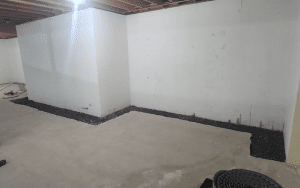
That’s where a French drain comes into play. By strategically placing it around your house, you’re able to guide water away from your home, avoiding potential water damage.
But French drains aren’t just for the exterior of your home. They’re also used indoors, especially in basements prone to flooding.
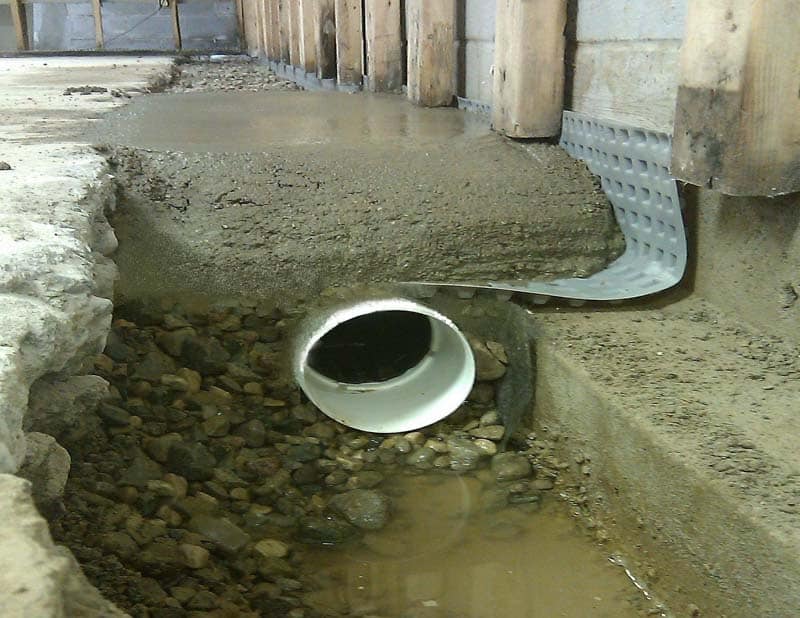
Known as interior French drains, they’re installed along the perimeter of your basement floor, capturing any water that might seep in and diverting it safely away.
You might be surprised to learn that French drains aren’t a modern invention. Their inception can be traced back to the 1850s, named after Henry Flagg French, an American judge and farmer.
Let’s explore how they’ve evolved over time, transforming into the efficient drainage systems we rely on today.
Drainage problems can often lead to the discovery of ingenious solutions, one such solution being the French drain.
Despite its name, the French drain isn’t from France. It’s named after Henry Flagg French, an American lawyer and Assistant US Treasury Secretary, who popularized this drainage method in his 1859 book about farm drainage.
French was an advocate for improved agricultural methods, and he noticed the problems caused by poor drainage on farmland. He proposed a simple, yet effective solution: a trench filled with gravel or rock, containing a perforated pipe that redirects surface and groundwater away from an area.
His idea was revolutionary for its time, as it provided an inexpensive, reliable method to keep basements dry and protect building foundations from water damage.
The French drain’s simplicity is its genius. It’s a passive system, requiring no energy. Water naturally seeks the path of least resistance, and the French drain provides just that, leading it safely away from where it could cause problems.
You mightn’t think much about it, but the French drain is a critical part of many building structures around the world.
Over the years, the concept of French drains has evolved and adapted to the changing needs of the times. What started as a simple trench line filled with gravel to divert water away from properties, has transformed into a sophisticated drainage system.
Originally, they were open-air ditches, but as time passed, modifications were made. The first significant change was the introduction of a perforated pipe. This allowed for the collection and redirection of water from a wider area, making the system more effective.
Then came the use of geotextile, a synthetic material that wraps around the pipe and gravel. It prevents soil and silt from clogging the system, which was a common problem with the earlier versions.
Nowadays, there’s even an option to connect your French drain to a sump pump. This provides an extra layer of protection, especially in areas prone to heavy rainfall or high water tables.
So, you see, the evolution of French drains has been a journey of constant improvement.
In essence, the French drain has come a long way from its humble beginnings. Today, it’s an essential tool in the arsenal of basement waterproofing, demonstrating the power of innovation and adaptation.
Now, let’s turn your attention to the components of a French drain system.
You’ll need to grasp the basics of how these systems function, learn the process of proper installation, and understand how to maintain your drain for optimum performance.
This knowledge is pivotal to making the most of your French drain system.
Without a doubt, knowing the basic components of a French Drain System will help you grasp the intricacies of its functionality.
At its core, a French drain is a simple, yet clever, system designed to divert water away from your home’s foundation.
The main components of a French drain are the trench, gravel, and pipe. The trench is dug sloping away from your home, and it’s this gradient that directs water flow. Gravel is then laid at the bottom of the trench to facilitate water seepage.
The pipe, which is the heart of the system, sits atop the gravel. It’s perforated to allow water to enter, and is typically wrapped in a fabric to prevent silt and debris from clogging the holes.
After the pipe is laid, more gravel is added, followed by a layer of soil. The gravel not only supports the pipe but also filters the water that seeps through, while the soil layer hides the system and allows grass to grow over it.
If you’re planning on installing a French drain system in your yard, it’s vital to understand the steps involved.
First, you’ll need to identify the wettest area of your yard. This is where you’ll start digging a trench that slopes away from your home. It’s essential that the trench is deeper at one end to allow water to flow away.
Next, line the trench with a layer of gravel, then lay your perforated pipe. The holes in the pipe allow water to enter, while the pipe itself directs the water away from your home. Confirm the pipe is covered with gravel to prevent it from clogging with dirt.
After the pipe is set, wrap everything in landscape fabric to keep silt and sediment out of the gravel.
Maintaining your French drain system is essential to its longevity and effectiveness. The first step in maintenance is to routinely inspect the system. You’ll need to verify there’s no blockage in the pipes. Over time, debris such as leaves, dirt, and even tree roots can clog your French drain, reducing its efficiency.
You must clear any blockages as soon as you detect them. If left unchecked, water can back up and potentially flood your basement. You can use a high-pressure water jet to remove any clogs from the pipes.
It’s also advisable to have a professional inspect your French drain at least once a year. They’ll be able to spot potential problems that you might overlook.
Another critical aspect of maintaining your French drain is verifying the slope is correct. The water should flow away from your home’s foundation. If you notice that water isn’t draining correctly, it could be due to an issue with the slope.
You might need to adjust the grading around your home or even reinstall parts of the drain.
You might wonder what makes French drains so effective in managing excess water. At the heart of it all is a simple yet ingenious design. Fundamentally, a French drain is a trench filled with gravel or rock, containing a perforated pipe that redirects surface water and groundwater away from an area, like your basement.
Here’s how it works: Water always follows the path of least resistance. In a properly constructed French drain, the trench slopes away from your home. When water enters the drain system, it’s guided by this slope. The water filters through the gravel or rock and into the perforated pipe at the bottom of the trench. It’s then carried away from your home, protecting your basement from potential water damage.
It’s important to remember that the effectiveness of your French drain depends on correct installation. The slope needs to be just right, and the pipe should be wrapped in landscape fabric to prevent silt and debris from clogging the perforations.
With proper care, a French drain can be an effective tool in your basement waterproofing strategy.
You might wonder why you’d need a French drain in your basement.
Well, these systems can prevent damaging floods, keeping your space dry and safe.
Not only that, they can also boost your property value, making them a smart investment for any homeowner.
Basement flooding can turn into a homeowner’s nightmare, causing extensive damage and leading to costly repairs. You’ve probably heard the horror stories, and you’re likely wondering how to prevent a similar fate. French drains could be your solution. These simple, yet effective systems can save you from the headache of water damage.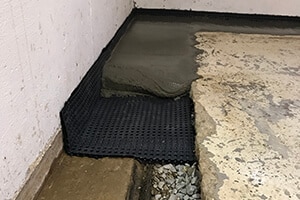
French drains work by providing an easy path for water to flow away from your home. They’re installed around the perimeter of your basement, working to redirect water that would otherwise seep into your home.
When it rains or snow melts, the water is naturally drawn to the lowest point in your home – your basement. Instead of allowing this water to seep in, French drains catch it, redirecting it safely away from your home’s foundation.
You’ll enjoy peace of mind knowing that your belongings are safe, and you’re saving on potential repair costs. Plus, because French drains work passively, there’s no need to worry about power outages or mechanical failures.
As long as you maintain them properly, they’ll work tirelessly to keep your basement dry, protecting your home and your wallet from water damage.
Installing a French drain in your basement doesn’t just offer protection from potential water damage, it also greatly increases your property’s value. When you’re contemplating home improvements, it’s important to evaluate what’ll give you a good return on your investment. A French drain is one of those improvements.
Potential buyers are typically looking for homes that are well-maintained and free of any major issues. A damp or flooded basement can be a deal breaker, but when they see that you’ve taken steps to prevent water damage with a French drain, it gives them peace of mind.
Moreover, the presence of a French drain may also contribute to lower insurance premiums, as it reduces the risk of water damage. This can be an attractive selling point for potential buyers, adding to the appeal of your property.
Investing in a French drain system is a wise decision that pays off in the long run. It not only safeguards your home from potential water damage but also adds significant value to it.
The process of installing French drains is intricate yet manageable. First, you’ll need to identify the wettest area of your basement. This will be the location of your drain.
Next, dig a trench along the perimeter of your basement. It should be deep enough to reach the footers of the foundation and about 6 inches wide.
Once the trench is dug, lay down a layer of gravel. This will provide a stable base for your drain pipe.
After the gravel, place a perforated pipe into the trench, ensuring the holes are facing down. This will allow water to enter the pipe while keeping out larger debris.
The next step is essential. Cover the pipe with more gravel. This will protect it from clogging and assist in filtering the water.
Once the pipe is covered, place a layer of landscape fabric over the gravel. This acts as a secondary filter, preventing soil from entering the drain.
After setting up your French drain, it’s important to keep it in good working condition with regular maintenance. This task isn’t as intimidating as it sounds, and you can accomplish it with a few simple steps.
Firstly, make certain to inspect your drain regularly. Look for any signs of blockage such as stagnant water or overflowing. If you notice any, it’s time for a clean up. You can use a plumber’s snake to clear out any debris. It’s a handy tool that you can easily find at any hardware store.
Next, consider installing a drain cover if you haven’t already. This will prevent leaves and other debris from clogging your drain. Plus, it’s a simple way to reduce the amount of maintenance required.
Lastly, remember to check the exit point of the French drain. Confirm it’s not blocked and that the water can flow freely. If necessary, you can re-grade the area to improve drainage.
Despite your best efforts, complications with French drains can still arise. You might find your basement flooded in the middle of a heavy downpour, which suggests that your French drain isn’t doing its job well. The most common problem is clogging. Over time, the gravel around the drain can get filled with silt and other debris, blocking the flow of water.
Another issue you might face is improper installation. If the drain isn’t sloped correctly, water won’t flow towards the sump pit. Instead, it might pool around the drain, causing dampness and potential structural damage.
In some cases, the drain could collapse under the weight of the soil, especially if it’s not installed at the right depth or if the soil is heavy with clay. This could lead to a complete blockage of the drain.
Lastly, if your French drain is old, the piping might corrode or break down. This can lead to leaks and ineffective drainage, which defeats the purpose of having a French drain in the first place.
Understanding these common problems will help you keep an eye out for signs of trouble, ensuring your basement stays dry and safe.
When your basement’s persistent dampness problems are giving you a headache, a French drain could be your solution. This system, often overlooked, is an effective and straightforward method to resolve water issues in your basement.
Here’s how it works. A French drain involves a trench filled with a perforated pipe and gravel. It’s installed around the perimeter of your basement, intercepting water before it seeps inside. The water is then directed to a sump pump or away from your house, keeping your basement dry.
You might be wondering if it’s a DIY project. While you could install a French drain yourself, it’s typically a job for a professional.
Proper installation is critical to guarantee the drain operates efficiently. The slope of the drain, the type of gravel used, and the placement of the pipe all affect the system’s effectiveness.
In the world of home waterproofing, French drains aren’t your only option. You’ve probably heard of sump pumps and sealants, too. These methods are often compared due to their common goal – keeping your basement dry.
French drains, as you know, are trenches filled with gravel or rock that redirect water away from your home. They’re great for solving issues with surface water, like rain or melted snow.
However, they may not be the best solution if you’re dealing with high groundwater levels. That’s where sump pumps come in. A sump pump collects water in a basin and pumps it away from your home, making it more effective for groundwater issues.
On the other hand, sealants are applied to the interior or exterior walls of your basement to prevent water from seeping in. They’re a good option if you’re dealing with minor dampness issues, but they don’t address the source of the problem like drains or pumps do.
So, you’ve journeyed through the chronicles of French drains, from their humble 1850s origins to their modern day role in basement waterproofing. With the right upkeep, these systems can be your home’s knight in shining armor against water damage. However, like all heroes, they aren’t invincible, requiring regular maintenance and vigilance. But worry not, with your newfound knowledge, conquering basement moisture issues is as easy as baking a medieval pie.

Tom Trinko is the dedicated owner of Basement Repair Specialists, a company renowned for its expert solutions in basement and foundation repairs. With a strong commitment to excellence and customer satisfaction, Tom has led his team to become one of the leading providers in the industry. Under his guidance, Basement Repair Specialists have developed a reputation for their reliability, innovative repair techniques, and exceptional service. Tom’s leadership is defined by his vast industry knowledge, customer-first approach, and a steadfast dedication to providing homeowners with cost-effective, durable solutions for their basement and foundation needs. For more information about Tom Trinko and the services offered by Basement Repair Specialists, visit their website at https://basementrepairspecialists.com/.
Contact the Professionals at Basement Repair Specialists, LLC Today! (855) 554-7246