
Give us a call (24/7) at
Call Now for a Free 1-Hour Basement Waterproofing Inspection(855) 554-7246
A Great Job at a Great Price!®
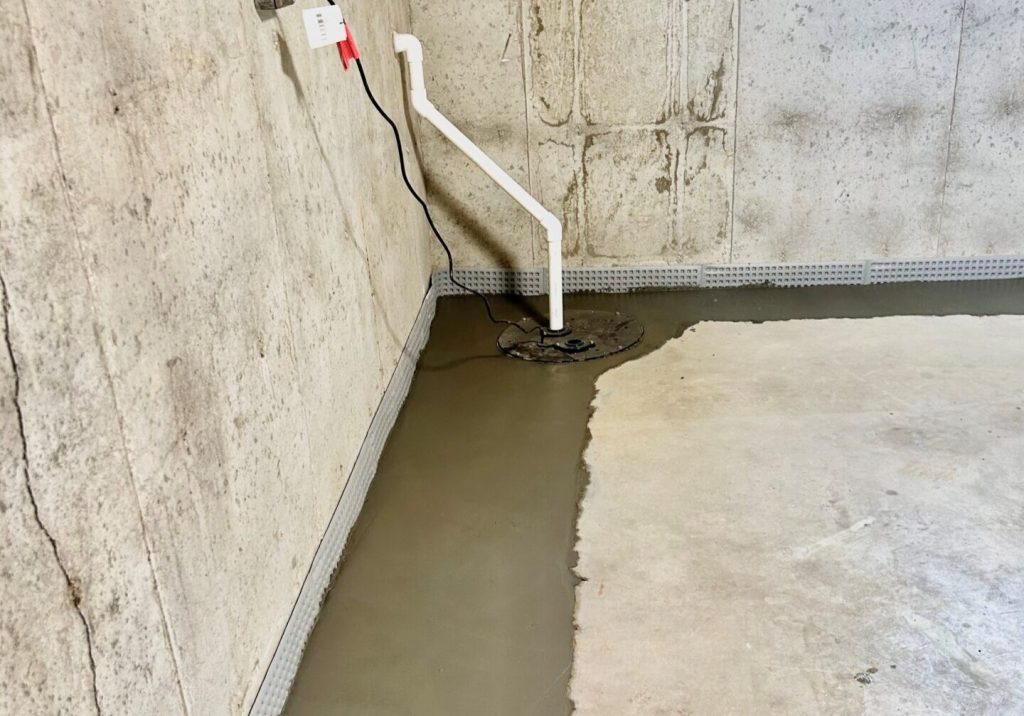
If you’ve ever experienced the aftermath of a storm, you know how much damage water can do to an unprotected basement. Waterproofing your basement before the weather turns nasty is a smart move, but where do you start? And how do you choose the right materials and techniques for your particular situation? Don’t worry, you’re not alone in this. It’s a topic that stumps many homeowners. By the end of our discussion, you’ll have a clear idea of how to safeguard your basement before the storm clouds roll in. So, ready to get started?
Before you dive straight into waterproofing your basement, it’s essential to assess your basement’s vulnerability to water damage. By understanding its weak points, you can devise a more effective waterproofing plan.
Start by examining the basement walls and floor for signs of water damage such as dampness, mold, mildew, or water stains. These are telltale signs that water has found its way in.
Next, you’ll want to check the exterior of your basement. Look for cracks in the foundation, poor landscaping drainage, or dysfunctional rain gutters. These issues can lead water straight to your basement, causing significant damage over time.
Don’t forget to evaluate your basement’s humidity level. High humidity can lead to condensation, fostering an environment conducive to mold growth. A hygrometer can help you measure this accurately.
Lastly, pay attention to the state of your basement windows and window wells. They’re often overlooked, but can be a significant source of leaks, especially during heavy rainstorms.
A myriad of waterproofing materials are at your disposal, each designed to tackle different types of moisture problems. Your choice depends on the specific challenges your basement presents.
Waterproofing paints and sealants, for instance, are perfect for minor dampness issues. They’re cost-effective, easy to apply, and can greatly reduce moisture seepage. However, they’re not a lasting solution for severe leaks.
For persistent water problems, you might need to take into account waterproofing membranes or cementitious products. Membranes, either liquid or sheet-based, create a physical barrier against water. They’re highly effective but require professional installation.
Cementitious products, on the other hand, are a mix of cement and other waterproofing compounds. They’re easy to apply and offer long-lasting protection against moisture. However, they’re more suitable for interior basement walls and aren’t always the best choice for exterior surfaces.
Lastly, think about the use of drainage mats. These are often used in conjunction with other waterproofing methods to direct water away from your basement walls.
Your choice of waterproofing materials should match your basement’s needs. Always consult with a professional to guarantee you’re making the most informed decision.
Prepping your basement for waterproofing is a crucial step towards shielding it from moisture. This process begins with a thorough cleaning. You’ll want to remove any dirt, debris, or existing paint from the walls and floors. You can use a steel brush or power washer for stubborn areas.
Next, inspect your basement carefully for any cracks or holes. These are potential entry points for water and must be addressed before proceeding. They’re typically located in corners, around windows, and near the floor. After identifying these areas, you’ll need to fill them with a hydraulic cement or a similar waterproof compound.
It’s also important to check your gutter and downspout system. If they’re not directing water away from your house, they could be contributing to your basement’s moisture issue. Make sure to clean gutters regularly and extend the downspouts further from your home if necessary.
Starting with interior waterproofing techniques not only enhances your basement’s resistance to moisture but also safeguards your property’s foundation.
You’ll need to take several steps to guarantee successful implementation of these techniques.
Firstly, apply a concrete waterproofing coating. It’s a thick, cement-like product that adheres permanently to concrete and masonry walls. You can’t apply it to painted surfaces, so verify your walls are clean and bare.
Next, consider using a silicate-based concrete sealer, also known as a densifier. It’s suitable for walls that haven’t been painted or sealed and reacts with the components in concrete to form a waterproofing layer. It isn’t a surface coating, and it won’t peel off or wear away.
Lastly, use a waterproofer or plastic sheets and panels. This method is an easy way to keep out water, but it’s not a final solution.
It’ll stop water from ruining your finished walls, but won’t keep your basement dry. You’ll still need a way to deal with the water that comes in.
While interior methods can effectively combat moisture, a thorough waterproofing plan also includes exterior methods.
It’s vital to understand that water can penetrate your basement from the outside, which is why exterior waterproofing is so important.
You’ll need to start with your gutters. Make sure they’re clean and diverting water away from your home’s foundation. Downspouts should displace water at least 6 feet away.
Next, observe your home’s grading. It should slope away from your house to prevent water from pooling around the foundation.
Think about installing a French drain. This system captures water before it reaches your basement and redirects it away from your house.
Application of a waterproof membrane or coating on your exterior walls can also be a solid line of defense. It acts as a barrier to prevent water from seeping into your basement.
Lastly, if you live in an area prone to heavy rainfall or have experienced previous flooding, you might want to reflect on exterior basement waterproofing.
This method involves excavating around your house to install drain tiles and a waterproof membrane. It’s an extensive procedure but can be incredibly effective.
Now that your basement’s waterproofing is in place, it’s essential you maintain it to prolong its effectiveness.
Regular basement inspections are key, allowing you to spot and rectify issues early.
Familiarize yourself with effective waterproofing techniques and learn how to deal with leakages to guarantee your basement stays dry and damage-free.
Conducting regular inspections of your basement is an integral part of maintaining its waterproof status. Don’t underestimate the importance of this routine check; it’s your first line of defense against water damage.
Start by examining the walls and floor for signs of moisture. Look for damp spots, discoloration, and cracks. If you find any, it’s possible water is seeping in.
Next, check the corners and joints, where walls meet floors and each other. These areas are often prone to leaks, so they need your attention.
Don’t ignore your basement’s ceiling. Water can seep from above, causing unnoticed damage. Look for water stains or any discoloration.
Pay close attention to the smell, too. A musty odor could indicate mold or mildew, both of which thrive in moist environments. If you detect such a smell, you’ll need to take immediate action to prevent further issues.
Countless effective waterproofing techniques can help maintain your basement’s dry state. One such technique is applying a waterproof mastic. You can apply this thick, adhesive substance to your basement walls to create a barrier against water.
Another technique is installing a sump pump, which collects water that seeps into your basement and pumps it out. This helps keep your basement dry even during heavy rainfall. It’s a more advanced solution but one that’s highly effective.
You might also consider using a water-resistant paint. This isn’t as robust as other methods, but it’s a good starting point if you’re on a budget. It helps repel water and prevent it from seeping into your basement walls.
Insulation can also play a role in waterproofing your basement. By insulating your basement walls and floors, you can prevent condensation, which can lead to dampness and mold.
Lastly, gutter maintenance and landscaping can go a long way in preventing water from reaching your basement. By ensuring your gutters are clean and your landscape slopes away from your house, you can limit the amount of water that seeps into your basement.
Despite your best efforts in waterproofing, occasional leaks may still occur in your basement. Don’t panic. Instead, handle these situations promptly and effectively.
Firstly, identify the source. Leaks often stem from cracks in the walls or floor, window wells, or around pipes. If you can’t find it, don’t hesitate to call in a professional. They’re equipped with tools and knowledge to pinpoint and address the problem.
Secondly, if it’s a small leak, try using a waterproofing sealant. These are readily available at hardware stores and can be applied directly to the leaking area. Remember, it’s a temporary fix and won’t solve the underlying issue.
Next, verify your sump pump is functioning correctly. It’s your main line of defense against water buildup. Test it regularly and keep it well-maintained.
Don’t let the next storm catch you off guard. Shield your home’s underbelly by waterproofing your basement. Like a knight armoring for battle, fortify your basement with the right materials and techniques. It’s a task that demands diligence but offers peace of mind. Remember, a stitch in time saves nine. So, be proactive, maintain your defenses and relish the comfort of a dry, cozy living space, even when the elements rage outside.

Tom Trinko is the dedicated owner of Basement Repair Specialists, a company renowned for its expert solutions in basement and foundation repairs. With a strong commitment to excellence and customer satisfaction, Tom has led his team to become one of the leading providers in the industry. Under his guidance, Basement Repair Specialists have developed a reputation for their reliability, innovative repair techniques, and exceptional service. Tom’s leadership is defined by his vast industry knowledge, customer-first approach, and a steadfast dedication to providing homeowners with cost-effective, durable solutions for their basement and foundation needs. For more information about Tom Trinko and the services offered by Basement Repair Specialists, visit their website at https://basementrepairspecialists.com/.
Contact the Professionals at Basement Repair Specialists, LLC Today! (855) 554-7246