
Give us a call (24/7) at
Schedule Your Free 1-Hour Basement & Foundation Inspection(855) 554-7246
A Great Job at a Great Price!®
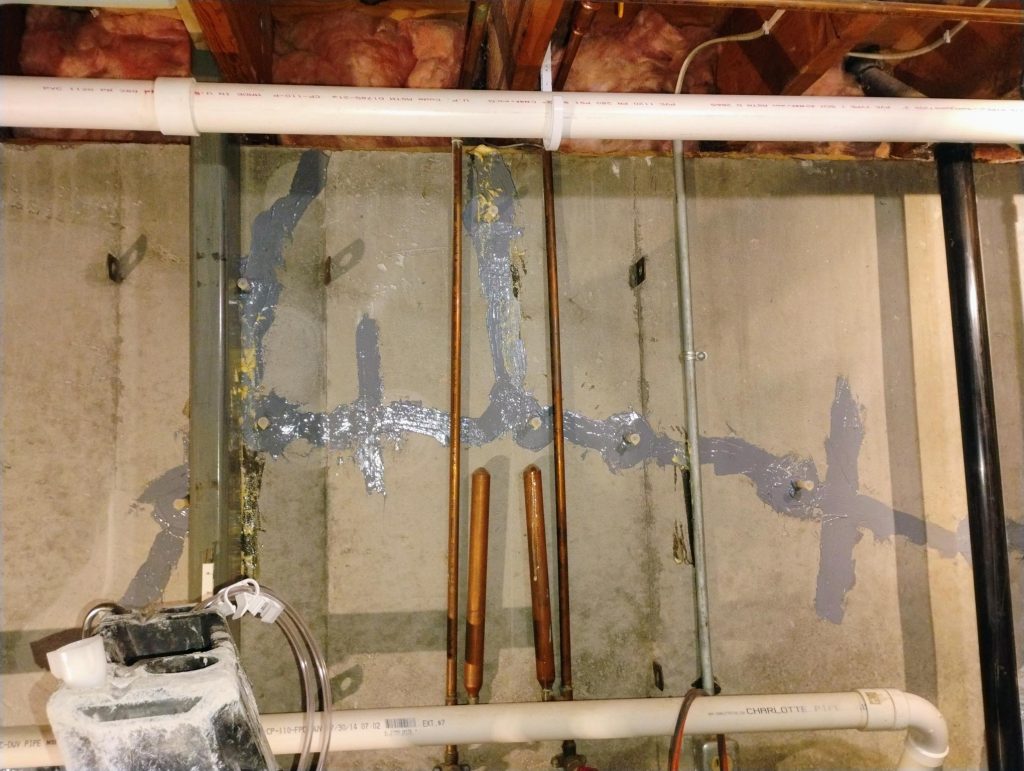
If you’re contemplating a free basement and foundation inspection, you’re likely wondering what it entails. You can expect a comprehensive evaluation of your home’s structural health, with professionals scrutinizing for cracks, examining moisture levels, and scouting for signs of mold. But what about the tools used, the role of the inspector, or interpreting the findings? Let’s discuss the intricate details that make this service invaluable and how it could potentially save you from a costly disaster down the line.
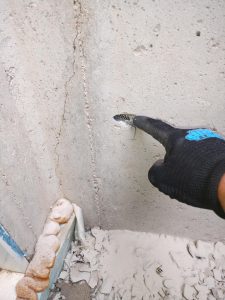 Every homeowner should understand the importance of basement and foundation inspections. They’re not just another item on your tedious home maintenance list; they’re vital for ensuring the stability and longevity of your home.
Your foundation, no matter what foundation types you’re dealing with, is essentially the backbone of your home. A weak or damaged foundation can lead to serious and costly repairs.
Basement moisture is another key aspect that inspections focus on. You might dismiss a little water in the basement as being harmless, but it’s a symptom of a potentially bigger issue.
Excess moisture can lead to mold growth, which can affect your home’s air quality and your family’s health. It can also weaken your home’s structure over time.
Before you even start worrying about the inspection, it’s essential to know what the initial consultation process entails.
First, you’ll need to schedule the inspection at a time that suits you best.
Then, you’ll want to understand the goals of the inspection and what the next steps will be after it’s completed.
Once you’ve made the decision to pursue a free basement and foundation inspection, it’s time to schedule your initial consultation. This is a crucial step in ensuring that your home remains structurally sound and free from potential hazards.
The process of scheduling the inspection is typically straightforward. You’ll need to contact the inspection company, provide some basic information about your home, and then select a date and time for the inspection.
The inspection timeline is generally flexible, allowing you to choose a time that suits your schedule best.
However, it’s important to remember that the sooner you schedule your inspection, the sooner any potential issues can be identified and addressed. Delaying the inspection could lead to more serious problems down the line. So, while there’s scheduling flexibility, don’t put it off for too long.
Once you’ve got your date and time set, you’ll likely receive a confirmation from the inspection company. This confirmation will include details about what to expect during the inspection, as well as any preparation steps you may need to take prior to the inspector’s arrival.
To get the ball rolling with your inspection, it’s crucial to understand the goals of this process. The primary inspection objectives revolve around identifying and diagnosing potential issues in your basement and foundation. The inspector will meticulously assess every nook and cranny, looking for signs of structural damage, water intrusion, mold growth, and other problems.
At the heart of these objectives is a simple principle: prevention is better than cure. By identifying issues early on, you can take steps to rectify them before they escalate into bigger, more costly problems. This proactive approach can save you time, money, and stress down the line.
The inspection benefits go beyond merely identifying issues. A thorough inspection can also provide you with a clearer understanding of your property’s overall health. It can offer insights into maintenance needs, potential improvements, and future care.
It’s also a valuable tool if you’re considering selling your property, as it can highlight any necessary repairs or upgrades.
In a nutshell, the goal of a basement and foundation inspection isn’t only to find and assess problems but also to arm you with knowledge. It’s about ensuring you’re well-equipped to make informed decisions about your property’s care and improvement.
After your basement and foundation inspection, it’s essential to engage in a meaningful follow-up consultation process. This next step in your journey to a safe and sturdy home is your inspection follow up, a vital component of the procedure.
Your home’s integrity is on the line when structural issues creep into the basement or foundation. Ignoring these signs can lead to severe damage and costly repairs. So, what should you be looking for?
Cracking walls are often the first indication of a problem. They might appear insignificant, but they’re a sign that your home is under stress. If you’re seeing hairline cracks spidering across your basement walls, it’s high time to get a professional inspection.
Unstable footing is another red flag you shouldn’t ignore. This is when the ground beneath your home isn’t providing the necessary support. You’ll notice this if your floors start to slope or doors and windows become difficult to close. This could mean your foundation is shifting, and you need immediate professional intervention.
During a free basement and foundation inspection, these are some of the potential structural issues that are identified. It’s essential not to downplay these signs. Instead, take action, because when it comes to your home’s structure, it’s better to be safe than sorry.
With proactive inspection, you can catch issues before they become major problems, saving yourself significant time and money.
Now, let’s move on to the essential tools used during a basement and foundation inspection.
You’ll learn what equipment is crucial for a thorough check and why each tool is used.
Understanding these procedures will help you know what’s happening during your free inspection.
A plethora of specialized tools contribute to the thoroughness of a basement and foundation inspection.
These instruments, coupled with new inspection technology trends, allow inspectors to identify potential issues that may otherwise go unnoticed.
Here’s an essential tools overview for your understanding:
These tools are vital for a comprehensive and effective basement and foundation inspection.
Don’t underestimate their importance.
When you’re getting your free inspection, make sure the inspector is equipped with these essential tools.
It’ll give you peace of mind knowing that the inspection is thorough and accurate.
Stay tuned for our next subtopic “Understanding Inspection Procedures” to learn more about the inspection process.
While it’s critical to have the right tools for a basement and foundation inspection, knowing how they’re used during the inspection process is equally important.
So, let’s delve into the inspection procedures to help you understand what to expect.
Your inspector will begin with a visual assessment, using their experience and keen eye to spot potential issues. They’ll use inspection terminology, such as ‘efflorescence’ (a white, powdery substance indicating water leakage) or ‘heaving’ (when the soil underneath expands, causing the foundation to lift).
Understanding these terms will make the process less confusing.
Next, special tools come into play. Moisture meters detect dampness, while thermal imaging cameras identify temperature differences indicating water issues. Crack monitors track the growth of cracks over time.
The inspector will follow an inspection checklist to ensure nothing is missed. This list includes items like checking for wall cracks, inspecting for water damage, and evaluating structural integrity.
They’ll also check the drainage system, as poor drainage is a common cause of basement problems.
To ensure the safety and longevity of your basement and foundation, engaging a professional inspector is crucial. They play a pivotal role in maintaining the structural integrity of your house. Their inspection experience, coupled with the right inspector qualifications, puts them in the best position to guide you.
Over time, your home’s foundation and basement can undergo significant changes, making regular inspections a necessity. Here’s why:
This proactive approach could save your home from substantial damage in the long run.
It’s less expensive to fix a small foundation crack than to deal with a collapsed wall.
Potential buyers will be more attracted to a home that has been well cared for and regularly inspected.
In short, regular inspections are an investment in your home’s longevity and value.
They’re an essential part of responsible homeownership. Don’t underestimate their importance.
Now that we’ve established the importance of regular inspections, let’s explore how you can prepare for one. As a homeowner, there are several preparations you can make to ensure the inspection goes smoothly.
Firstly, create an inspection checklist. This should include any specific areas of concern you’d like the inspector to focus on. It could be anything from a suspicious crack in the foundation to a persistent damp spot in the basement. The more thorough your list, the more efficient the inspection will be.
Next, clear the areas to be inspected. This means moving furniture, boxes, or other items that may be blocking access to the basement or foundation. This not only gives the inspector easy access but also saves time during the inspection.
It’s also a good idea to have any relevant documents ready. These could include previous inspection reports, repair invoices or any warranty information.
Last but not least, be present during the inspection. It’s your best chance to ask questions, understand findings, and learn about any potential issues.
You might question if a free inspection is as thorough as a paid one. Well, it can be.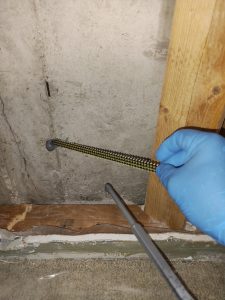
Inspection accuracy isn’t always tied to cost. Many reputable companies offer free inspections, ensuring a thorough evaluation.
But, it’s crucial to compare what’s included in each type. Some may charge for a detailed report.
When choosing an inspector, you should ensure they’ve got the right qualifications.
Look for inspector certifications from recognized bodies. They’re a sign your inspector knows what they’re doing.
You’ll also want someone with plenty of inspection experience. It’s not just about knowing the theory; they need to have used that knowledge in real-world situations.
Usually, you don’t need to stress over furniture arrangement for inspection preparation.
The inspector’s main focus is on your home’s structural elements, not your interior decor. However, if there’s furniture obstructing access to certain areas, it’d be helpful to move it.
You’re probably wondering about the inspection duration for a basement and foundation check.
Typically, it doesn’t take too long. You’re looking at around one to two hours on average. This may vary depending on the size and condition of your basement.
So, you won’t need to block off an entire day, but it’s good to have some time set aside.
While it’s natural to worry about health risks, you’re pretty safe during a basement and foundation inspection.
Inspectors assess mold growth and structural integrity, but they’re well-equipped with protective gear to handle any potential hazards. You won’t be exposed to any direct risk.
It’s crucial, though, to stay away from any mold they find, as it could cause health problems.
So, you’re now well-prepared for your free basement and foundation inspection. Remember, this is a crucial step in keeping your home safe and sturdy. It’s not just about spotting obvious issues, but uncovering hidden ones too. You’ll gain valuable insights from a professional inspector, and armed with their recommendations, you can make informed repair decisions. Don’t overlook this opportunity – regular inspections are essential for your home’s health. Get ready to safeguard your property!

Tom Trinko is the dedicated owner of Basement Repair Specialists, a company renowned for its expert solutions in basement and foundation repairs. With a strong commitment to excellence and customer satisfaction, Tom has led his team to become one of the leading providers in the industry. Under his guidance, Basement Repair Specialists have developed a reputation for their reliability, innovative repair techniques, and exceptional service. Tom’s leadership is defined by his vast industry knowledge, customer-first approach, and a steadfast dedication to providing homeowners with cost-effective, durable solutions for their basement and foundation needs. For more information about Tom Trinko and the services offered by Basement Repair Specialists, visit their website at https://basementrepairspecialists.com/.
Contact the Professionals at Basement Repair Specialists, LLC Today! (855) 554-7246