
Give us a call (24/7) at
Schedule Your Free 1-Hour Waterproofing Inspection Today(855) 554-7246
A Great Job at a Great Price!®
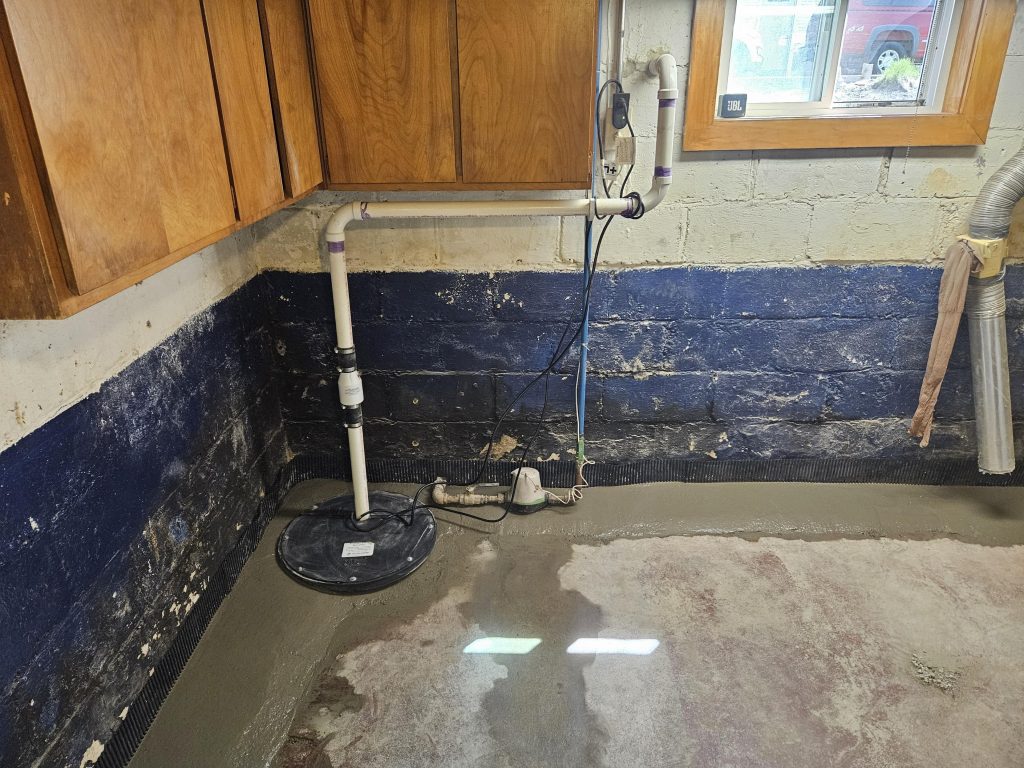
Have you ever considered why waterproofing isn’t a one-size-fits-all solution? Each property presents unique conditions, influenced by factors like climate, soil type, and building materials, all of which can greatly impact the effectiveness of various waterproofing techniques. The needs of a residential property might differ significantly from those of a commercial structure. Therefore, a comprehensive analysis is essential to choose the right waterproofing method tailored to specific requirements. Now, wouldn’t you like to know more about the long-term implications of incorrect or inadequate waterproofing?
Waterproofing, at its core, is a simple yet vital process. It employs a variety of techniques to prevent water from penetrating a structure. You use moisture barriers, drainage systems, and sealant options to keep your building dry.
Now, let’s delve into the specifics. Moisture barriers are an essential part of any waterproofing strategy. They’re typically composed of waterproofing materials that are applied to a structure’s surfaces. Their application methods vary, but they commonly involve spraying or rolling the material onto the surface.
Drainage systems are equally crucial. They’re designed to redirect water away from a building, ensuring optimal foundation protection. They can be as simple as gutters and downspouts or as complex as underground piping and catch basins.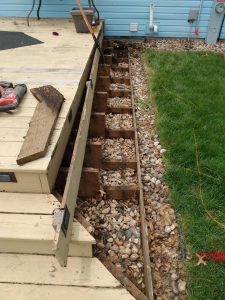
Sealant options and surface treatments are the finishing touches that enhance your waterproofing efforts. They provide additional layers of protection against moisture.
The installation practices for these systems must be meticulous. Even the smallest oversight could compromise your structure’s waterproofing.
Lastly, don’t overlook maintenance strategies. Regular inspections and timely repairs keep your waterproofing measures effective. By understanding these basics, you’re well on your way to protecting your property from water damage.
Diving into the realm of waterproofing methods, you’ll find a wide array of techniques that each offer their own strengths and weaknesses. The sealant options vary significantly, with specific types better suited to different environments and design considerations.
For instance, liquid and sheet-based membrane types are popular choices, each having unique application techniques and performance ratings.
Coating techniques, meanwhile, can provide additional layers of protection. Some coatings are intended to serve as moisture barriers, preventing water from seeping into the structure. The installation methods for these can be complex, requiring a high level of expertise.
Drainage systems are another vital component in waterproofing. These are designed to guide water away from the structure, thereby reducing the risk of water damage. The efficiency of these systems often depends on meticulous maintenance practices.
When considering these methods, it’s essential to evaluate their longevity, effectiveness, and compatibility with your property.
Before diving into the specifics of waterproofing methods, it’s crucial to understand the importance of analyzing your property. This analysis involves a thorough understanding of your property’s condition, identifying moisture sources, assessing drainage systems, and complying with building codes.
Your property’s condition, influenced by construction techniques and maintenance practices, plays a pivotal role in determining the appropriate waterproofing solution. Old buildings may require different techniques compared to new ones, emphasizing the relevance of historical data. Additionally, moisture sources, both internal and external, should be identified and rectified before any waterproofing job.
Drainage systems, often overlooked, can be a significant contributor to water-related issues. Ensuring these systems are functioning optimally is key to preventing water infiltration. Moreover, building codes should guide your waterproofing choices, ensuring safety and legality.
Seasonal changes also affect your property’s moisture levels, necessitating different inspection frequencies and adjustments in waterproofing measures. For instance, more frequent inspections may be needed during the wet season.
Lastly, don’t forget the landscape features. Hills, slopes, and vegetation can affect water flow, potentially causing issues if not properly managed. Therefore, a thorough property analysis isn’t just recommended, it’s essential for effective waterproofing.
You can’t overlook the role of environmental factors in implementing effective waterproofing solutions.
Consider the impact of climate – extreme temperatures, humidity, and precipitation patterns can seriously affect the durability and effectiveness of your waterproofing materials.
Also, don’t forget the influence of terrain and soil characteristics, which can impact water flow and pressure against your structure.
Although it may not be immediately apparent, the climate plays a significant role in determining the effectiveness of waterproofing solutions. Your local climate zone, whether it’s tropical, temperate, or arctic, dictates the type of waterproofing you’ll need.
In areas with significant seasonal variations, waterproofing needs to withstand everything from scorching summer heat to freezing winter temperatures.
Humidity levels, too, are critical to consider. High humidity can increase the moisture content in materials, potentially compromising your waterproofing. On the other hand, low humidity areas may require different solutions to combat the damaging effects of dryness.
Precipitation patterns and temperature extremes are further elements that can’t be overlooked. Areas prone to heavy rainfall or snowfall will need robust waterproofing to manage the increased moisture while regions with extreme heat or cold require materials that can endure these conditions.
Flood risks, often influenced by local ecosystems, need to be factored into your waterproofing strategy. The same goes for wind patterns, as strong winds can drive rain into your building at angles that standard waterproofing may not protect against.
Pivoting from climate considerations, it’s also important to factor in the terrain and soil characteristics of your location when planning for waterproofing.
You mightn’t realize it, but soil types play a significant role in determining the best waterproofing approach. Sandy soils, for instance, drain water quickly and may require different waterproofing strategies compared to clay soils which retain water.
Slope considerations and geological features can’t be ignored either. The direction and steepness of your property’s slope can significantly impact the water runoff and hence, the moisture levels in your soil. A steep slope might lead to quick runoff, leading to drier conditions, while a gentle slope might retain water, causing dampness.
Drainage systems should be designed keeping the terrain in mind. If they’re not effectively managing water runoff, you could end up with an ineffective waterproofing solution.
And let’s not forget the vegetation impact. Plants can help absorb excess water, reducing the burden on your drainage systems.
A significant portion of the waterproofing process hinges on the type of building materials used. You must consider material compatibility and moisture resistance. The interaction between the waterproofing system and your chosen building materials is crucial.
Material compatibility isn’t something you can overlook. If your waterproofing solution isn’t compatible with your building materials, you’re essentially setting your project up for failure. A mismatch can lead to a range of issues, from peeling paint to structural damage.
You’ll need to understand the chemical and physical properties of your materials to choose an appropriate waterproofing solution.
Moisture resistance is another key factor. Different materials have varying levels of resistance to water. For instance, concrete might resist water better than wood. However, even materials that are typically resistant to water can fail if they’re not properly sealed or if they’re exposed to excessive moisture over a long period.
In your quest for an effective waterproofing solution, you mustn’t underestimate the influence of building materials. It’s not enough to just buy a product and apply it.
You need a comprehensive understanding of your materials and a compatible, moisture-resistant solution. This approach will save you time, money, and potentially, your building.
You’re about to see the vast differences in waterproofing needs between residential and commercial buildings.
We’ll first scrutinize the specifics of residential waterproofing, noting the unique challenges and strategies involved.
Then, you’ll get a clear understanding of commercial waterproofing, learning how it differs and why those differences are significant.
While residential and commercial structures may seem similar on the surface, their waterproofing needs can vary greatly due to a myriad of factors. For starters, they possess diverse environments with unique challenges that call for custom solutions.
As you navigate the waterproofing process, remember that there’s no one-size-fits-all fix. Your specific requirements, whether for a home or a business, demand tailored approaches.
In residential settings, individual preferences play a significant role. Homeowners seek targeted techniques that not only provide optimal protection but also complement their home aesthetics. These might involve specialized materials carefully chosen to match their homes’ architectural styles and environmental conditions.
In contrast, commercial buildings present their own set of complexities. They often require robust waterproofing solutions to withstand heavy foot traffic, machinery, and expansive square footage.
This, combined with the need to adhere to strict building codes and standards, means commercial waterproofing solutions need to be strong, durable, and reliable.
When it comes to residential waterproofing, it’s crucial to consider the unique needs of each home. Not all houses sit on the same type of land or are constructed with the same materials, which is why a tailored approach is necessary.
Foundation drainage, for example, plays a vital role in preventing water from collecting around your home’s base. It’s a system designed to direct water away from your house, crucial for homes constructed on sloping land.
Moisture barriers and vapor barriers are another key feature. They’re put in place to prevent dampness from penetrating your home’s interior walls.
Sump pumps and basement sealing go hand in hand, providing an extra layer of protection against flooding or excessive water damage.
Don’t forget about landscape grading. This is the slope and contour of your land, which when adjusted correctly, can direct water away from your property.
Exterior coatings, interior treatments, waterproof paints are all options to consider, providing additional layers of prevention.
Lastly, comprehensive drainage systems, which could include gutters and downspouts, are essential to control the flow of water during heavy rains.
Each of these components plays a key role in maintaining the integrity of your property.
Shifting gears from residential to commercial spaces, it’s important to understand that the principles of waterproofing remain, but the scale and complexities can vary considerably.
You’ll encounter unique commercial waterproofing challenges, such as larger square footage, complex designs and structures, and strict regulations. It’s not just about keeping water out, but managing moisture within the building envelope too.
In commercial settings, the level of foot traffic and exposure to elements is typically higher. Waterproofing solutions must be durable, effective, and long-lasting. This is where innovative waterproofing technologies come into play. From high-performance membranes that resist harsh conditions to advanced sealants that provide superior adhesion, these technologies are designed to tackle the demanding needs of commercial waterproofing.
However, it’s not enough to just have top-notch technologies. You’ll need a detailed analysis to identify potential problem areas. This includes assessment of surface conditions, water flow patterns, and drainage systems.
In the maze of waterproofing solutions, professional assessment stands as a beacon of guidance for homeowners. You see, it’s through this evaluation that you can navigate the labyrinth of options, each with its unique strengths and limitations.
A professional evaluation goes beyond merely identifying the appropriate waterproofing techniques but it also ensures that they’re tailored to your specific needs.
You might wonder, “What’s in a professional assessment?” Well, it’s more than just a cursory look at your property. It involves an in-depth analysis of your home’s structure, considering the type of soil, the property’s age, and the local climate.
It’s about knowing how water interacts with your home and using that knowledge to develop tailored strategies.
Neglecting proper waterproofing can blow a hole in your budget, a fact often overlooked by many homeowners. It’s not just about immediate costs; the financial consequences of incorrect waterproofing can be far-reaching, even devastating.
Let’s delve into a cost analysis. First, consider the initial outlay for materials and labor if you opt for a cheap, one-size-fits-all solution. It may seem like a bargain now, but it’s likely you’re setting yourself up for expensive repairs down the line.
Then there’s the cost of water damage to your property, which can skyrocket rapidly. Unaddressed leakage can lead to structural issues, mold growth, and ruined possessions – all requiring costly remediation.
In worst-case scenarios, you might even need to evacuate your home during repairs, adding accommodation expenses to your growing list of financial burdens.
Lastly, consider the impact on your home’s resale value. Potential buyers are savvy; they’ll factor in the cost of any necessary waterproofing work when making their offer.
Incorrect or inadequate waterproofing can thus significantly reduce your property’s market value.
Why settle for a one-size-fits-all approach when tailored waterproofing solutions can offer long-term benefits?
Custom solutions take into account factors like material compatibility and regional differences, ensuring the most effective application techniques are used.
For instance, a material used in a cold climate mightn’t perform as well in a tropical region. That’s where tailored solutions come in handy, considering the regional differences and ensuring the structural integrity of your property.
Maintenance requirements are also an important aspect. A generic solution might require more frequent repairs, leading to higher costs in the long run.
Tailored solutions, on the other hand, are designed with the future in mind, minimizing maintenance requirements and ensuring cost effectiveness.
Performance evaluation is another critical aspect. By choosing a tailored solution, you’re not just getting a one-off service. You’re investing in a long-term strategy with ongoing performance evaluations, ensuring continual improvement and risk management.
In short, opting for a customized waterproofing solution can provide you with a myriad of long-term benefits, from material compatibility and cost effectiveness to better risk management and structural integrity.
Don’t just think about the present; consider the future of your property too.
Waterproofing requires long term care to maintain effectiveness.
You’ll need to conduct routine inspections for damage or wear, reapply sealant if necessary, and clear drains and gutters regularly.
It’s also vital to monitor for signs of moisture or leaks.
Remember, different waterproofing methods have different maintenance needs, so it’s crucial to understand what’s required for your specific solution.
Proper care can extend the life of your waterproofing and save you money in the long run.
Sure, you can try DIY waterproofing, but it’s not always the best option. Each property is unique and may require specialized techniques.
A professional service has the experience and tools to handle complex situations. They’re well-versed in different waterproofing methods and can tailor their approach to your home’s needs.
The timeline for seeing results after waterproofing can vary greatly.
It’s dependent on the scope of the project and the specific issues you’re addressing. Generally, you’ll notice immediate changes like a drier environment, reduced humidity and no new water ingress.
But, it’s important to remember that waterproofing isn’t a fix-all solution. Some problems may need additional treatments or time to resolve completely.
Yes, improper waterproofing can introduce health risks.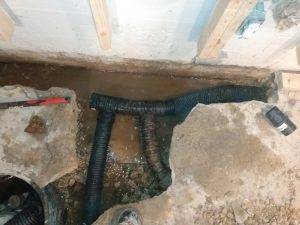
If not done correctly, it can lead to moisture build-up, promoting mold growth. This mold can deteriorate your home’s air quality, causing respiratory issues and allergies.
It’s important to hire a professional to ensure the job’s done right.
You might need waterproofing if you’re noticing signs like foundation cracks or damp walls.
These can indicate water damage or potential leaks. If you spot mold or mildew, or smell a musty odor, it’s another sign water’s getting in.
Your property might also need waterproofing if your basement floods often.
Don’t underestimate the complexity of waterproofing. It’s not a one-size-fits-all solution. Your property’s unique conditions, such as climate, soil type, and usage, all play a part. That’s why a thorough analysis is crucial. It’ll help you select the right method, saving you money in the long run, and ensuring your property’s protected. Always remember, tailored solutions offer the best long-term outcomes. So, choose wisely, and don’t hesitate to consult professionals for the best results.

Tom Trinko is the dedicated owner of Basement Repair Specialists, a company renowned for its expert solutions in basement and foundation repairs. With a strong commitment to excellence and customer satisfaction, Tom has led his team to become one of the leading providers in the industry. Under his guidance, Basement Repair Specialists have developed a reputation for their reliability, innovative repair techniques, and exceptional service. Tom’s leadership is defined by his vast industry knowledge, customer-first approach, and a steadfast dedication to providing homeowners with cost-effective, durable solutions for their basement and foundation needs. For more information about Tom Trinko and the services offered by Basement Repair Specialists, visit their website at https://basementrepairspecialists.com/.
Contact the Professionals at Basement Repair Specialists, LLC Today! (855) 554-7246