Basement Waterproofing: Ensuring a Dry and Safe Foundation

Basements, often utilized for storage or converted into additional living spaces, are integral to the structure of a house. However, they are susceptible to water infiltration, which can cause significant damage to the foundation, promote mold growth, and lead to various health issues. Basement waterproofing is a crucial practice to prevent such problems, ensuring a dry and safe foundation. This article delves into the methods, importance, and benefits of basement waterproofing, providing a comprehensive guide for homeowners.
Understanding Basement Water Issues
Before discussing waterproofing methods, it’s essential to understand why basements are prone to water issues. The primary causes include: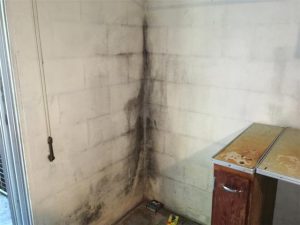
- Hydrostatic Pressure: This occurs when the soil surrounding the foundation becomes saturated with water, exerting pressure against the basement walls and floor. Over time, this pressure can force water through cracks and joints in the foundation.
- Poor Drainage: Inadequate drainage systems around the home can lead to water pooling near the foundation, increasing the risk of water infiltration.
- Cracks in the Foundation: Natural settling of the house can cause cracks in the foundation, providing pathways for water to enter the basement.
- Faulty Construction: Poor construction practices, such as improper sealing of joints and lack of a proper drainage system, can contribute to basement water problems.
- Condensation: High humidity levels within the basement can lead to condensation on walls and floors, often mistaken for leaks.
Signs of Basement Water Problems
Homeowners should be vigilant for signs of water problems in their basements, including:
- Visible Water: Puddles or damp spots on the basement floor.
- Efflorescence: White, powdery deposits on walls, indicating water seepage.
- Musty Odors: Persistent damp smells suggest mold or mildew growth.
- Mold and Mildew: Visible growth on walls, floors, or stored items.
- Peeling Paint: Paint or wallpaper that is blistering or peeling due to moisture.
- Cracked Walls or Floors: Structural cracks that can allow water infiltration.
Methods of Basement Waterproofing
Basement waterproofing involves both interior and exterior methods, each with its advantages and specific applications.
Exterior Waterproofing
Exterior waterproofing is often considered the most effective method, as it prevents water from entering the basement in the first place. It typically involves:
- Excavation: Digging around the perimeter of the foundation to reach the base.
- Cleaning and Inspection: Removing any dirt or debris from the foundation walls and inspecting for cracks or damage.
- Sealing Cracks: Using hydraulic cement or epoxy injections to seal any visible cracks in the foundation.
- Applying a Waterproof Membrane: Coating the exterior walls with a waterproof membrane to create a barrier against water infiltration.
- Installing Drainage Systems: Adding exterior drain tiles or French drains to direct water away from the foundation.
- Backfilling with Gravel: Using gravel to backfill around the foundation to enhance drainage and reduce hydrostatic pressure.
Exterior waterproofing is labor-intensive and can be costly, but it provides a long-term solution by addressing the root cause of water infiltration.
Interior Waterproofing
Interior waterproofing methods are often used to manage water that has already entered the basement. These methods include:
- Interior Sealants: Applying waterproof sealants to walls and floors to create a barrier against moisture. This is a temporary solution and is most effective for minor leaks.
- Sump Pumps: Installing a sump pump system to collect and pump out water that enters the basement, preventing it from accumulating.
- Interior Drainage Systems: Creating interior French drains or installing a perimeter drainage system to channel water to the sump pump.
- Vapor Barriers: Adding vapor barriers to walls and floors to reduce condensation and humidity levels within the basement.
- Dehumidifiers: Using dehumidifiers to maintain low humidity levels, preventing mold growth and reducing condensation.
While interior waterproofing is generally less expensive and disruptive than exterior methods, it often serves as a complementary solution rather than a standalone fix.
Comprehensive Waterproofing Strategies
A comprehensive basement waterproofing strategy often involves a combination of both exterior and interior methods. This approach ensures that all potential sources of water infiltration are addressed, providing maximum protection for the basement. Key steps in a comprehensive waterproofing strategy include:
- Assessment and Inspection: Conducting a thorough assessment of the basement and foundation to identify the sources of water infiltration and the extent of damage.
- Repairing Structural Issues: Addressing any structural issues, such as cracks or damaged walls, before implementing waterproofing measures.
- Implementing Exterior Solutions: Applying exterior waterproofing methods to prevent water from entering the basement.
- Enhancing Interior Protection: Installing interior waterproofing systems to manage any water that does infiltrate and maintain a dry environment.
- Regular Maintenance: Performing regular inspections and maintenance to ensure the effectiveness of the waterproofing measures and address any new issues promptly.
Benefits of Basement Waterproofing
Investing in basement waterproofing offers numerous benefits for homeowners, including:
- Protection of Property: Preventing water damage to the foundation, walls, floors, and personal belongings stored in the basement.
- Healthier Living Environment: Reducing the risk of mold and mildew growth, which can cause respiratory problems and other health issues.
- Enhanced Home Value: Increasing the value of the home by ensuring a dry, usable basement space.
- Preventing Structural Damage: Protecting the structural integrity of the home by preventing water-related damage to the foundation.
- Improved Energy Efficiency: Reducing humidity levels in the basement can lead to lower energy costs by reducing the workload on heating and cooling systems.
DIY vs. Professional Waterproofing
Homeowners may consider tackling basement waterproofing as a DIY project or hiring professional contractors. Each approach has its pros and cons.
DIY Waterproofing
DIY waterproofing can be a cost-effective option for minor issues and involves tasks such as:
- Applying interior sealants to walls and floors.
- Installing a dehumidifier to control humidity levels.
- Repairing small cracks with hydraulic cement.
However, DIY waterproofing has limitations, especially for more severe water infiltration issues. It requires a good understanding of the problem and the proper use of materials and tools. Improper DIY waterproofing can lead to temporary fixes that do not address the underlying issues.
Professional Waterproofing
Hiring professional waterproofing contractors is recommended for extensive water problems or when dealing with structural issues. Professionals offer:
- Expertise in assessing and diagnosing water infiltration problems.
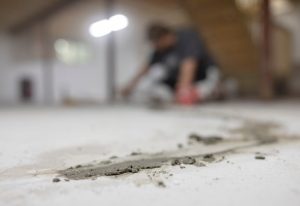
- Access to high-quality materials and advanced waterproofing techniques.
- Comprehensive solutions that address both the exterior and interior of the foundation.
- Guaranteed work, providing homeowners with peace of mind and long-term protection.
While professional waterproofing can be more expensive than DIY methods, it ensures a thorough and effective solution to basement water problems.
Basement waterproofing is a critical practice for maintaining a dry, safe, and healthy home. Understanding the causes of water infiltration, recognizing the signs of water problems, and implementing effective waterproofing methods are essential steps in protecting the foundation and the overall integrity of the house. Whether opting for DIY solutions for minor issues or hiring professionals for comprehensive waterproofing, investing in the protection of the basement is a wise decision that offers long-term benefits. By addressing water problems proactively, homeowners can prevent costly repairs, enhance their living environment, and ensure the longevity of their homes.
Contact the Professionals at Basement Repair Specialists Today! (855) 554-7246
Tom Trinko is the dedicated owner of Basement Repair Specialists, a company renowned for its expert solutions in basement and foundation repairs. With a strong commitment to excellence and customer satisfaction, Tom has led his team to become one of the leading providers in the industry. Under his guidance, Basement Repair Specialists have developed a reputation for their reliability, innovative repair techniques, and exceptional service. Tom’s leadership is defined by his vast industry knowledge, customer-first approach, and a steadfast dedication to providing homeowners with cost-effective, durable solutions for their basement and foundation needs. For more information about Tom Trinko and the services offered by Basement Repair Specialists, visit their website at https://basementrepairspecialists.com/.
Contact the Professionals at Basement Repair Specialists, LLC Today! (855) 554-7246