
Many homeowners assume basement leaks only occur during heavy spring downpours or summer thunderstorms. However, severe winter water seepage is surprisingly common throughout Wisconsin and the Upper Midwest due to specific cold-weather hydrologic conditions.
A primary cause is the “Igloo Effect.” The heat continuously escaping through your home’s basement walls melts the surrounding frozen soil and snowpack adjacent to the foundation. This creates a localized pocket of liquid groundwater right against your foundation, even while the top layer of yard soil remains frozen solid.
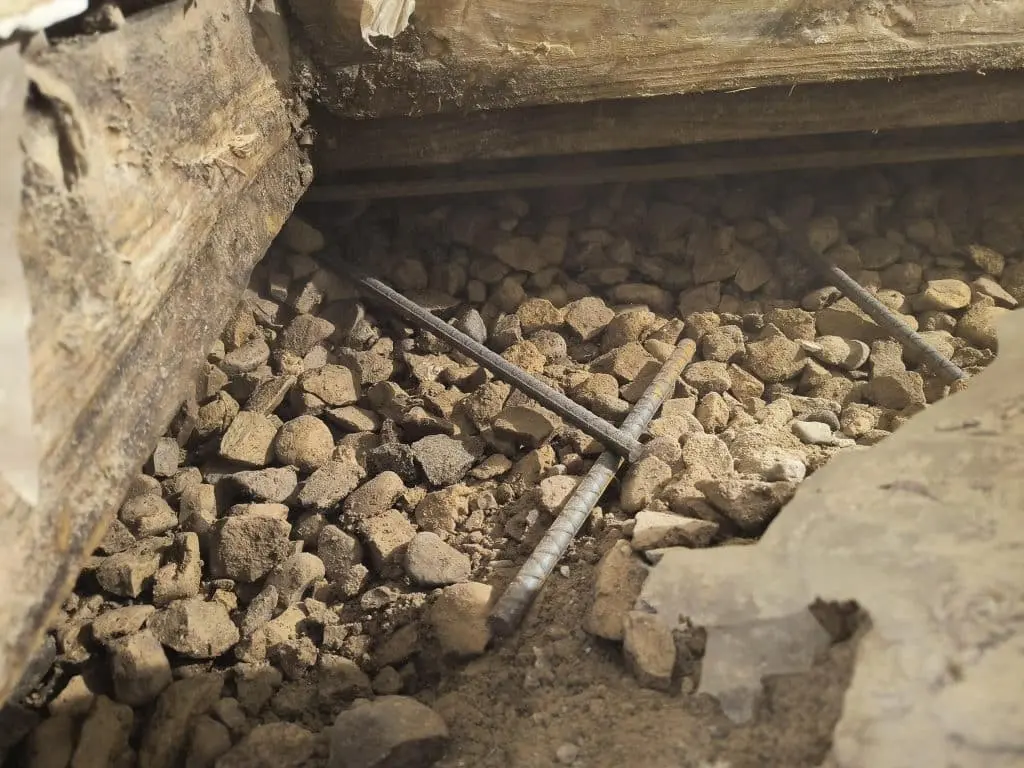
When winter temperature swings bring mid-season thaws, melting snow and surface ice flow downward through ground fissures. Trapped between the frozen topsoil and your foundation, this liquid water accumulates at the base of your foundation footings. The resulting hydrostatic pressure forces groundwater through wall cracks and up through the cove joint—the critical seam where your concrete floor slab meets the foundation wall.
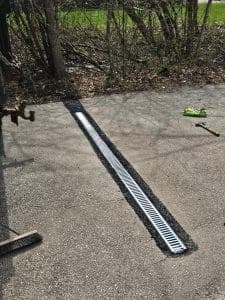
When outdoor excavation is impossible due to frost depths of 40 inches or more, an interior perimeter drain tile system offers a reliable, engineered solution. Technicians complete the entire process indoors with minimal disruption to your home:
Understanding the operational differences between interior and exterior drainage systems during winter helps clarify why indoor installation is the preferred choice for cold-weather repairs:
| Feature | Interior Drain Tile System | Exterior Excavation System |
|---|---|---|
| Winter Feasibility | 100% Feasible (Completed in heated indoor spaces) | Extremely difficult or impossible due to frozen soil |
| Property Impact | Zero yard, deck, or landscaping disruption | Heavy excavation around home perimeter |
| Installation Time | Typically 1 to 2 days | 5 to 10+ days (weather dependent) |
| Pressure Relief | Directly relieves sub-slab hydrostatic pressure | Prevents water accumulation outside wall exterior |
A: Absolutely. Because all work is performed inside your basement, freezing temperatures, outdoor ice, and snow cover have no impact on the installation process or cure times.
A: Groundwater builds up beneath your basement floor slab from melting snowpack and localized groundwater pockets. Unrelieved hydrostatic pressure forces this water up through the cove joint—the natural gap between your foundation wall and floor slab.
A: Most residential interior drain tile systems are fully installed, tested, and operational within 1 to 2 days, restoring dry space immediately.

Tom Trinko is the dedicated owner of Basement Repair Specialists, a company renowned for its expert solutions in basement and foundation repairs. With a strong commitment to excellence and customer satisfaction, Tom has led his team to become one of the leading providers in the industry. Under his guidance, Basement Repair Specialists have developed a reputation for their reliability, innovative repair techniques, and exceptional service. Tom’s leadership is defined by his vast industry knowledge, customer-first approach, and a steadfast dedication to providing homeowners with cost-effective, durable solutions for their basement and foundation needs. For more information about Tom Trinko and the services offered by Basement Repair Specialists, visit their website at https://basementrepairspecialists.com/.
Contact the Professionals at Basement Repair Specialists, LLC Today! (855) 554-7246