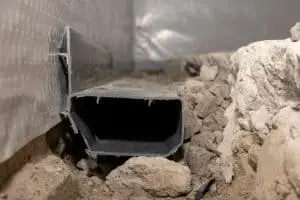
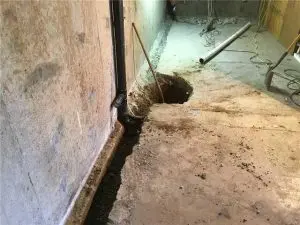
Basement waterproofing techniques are essential for preventing water intrusion and protecting your home's foundation. Various methods, including interior and exterior waterproofing systems, help manage water effectively, ensuring a dry and safe basement environment.
For instance, interior waterproofing often involves the installation of drainage systems and sump pumps, while exterior waterproofing may include the application of sealants and the grading of soil around the foundation. Understanding these techniques can empower homeowners to make informed decisions about their waterproofing needs.
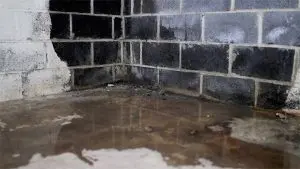
Identifying the signs that your basement requires waterproofing is crucial for maintaining the integrity of your home. Common indicators include visible water stains, mold growth, and musty odors, all of which suggest moisture problems that need to be addressed.
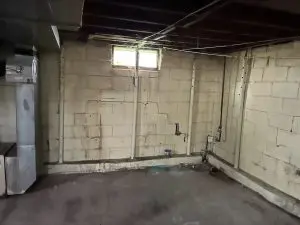
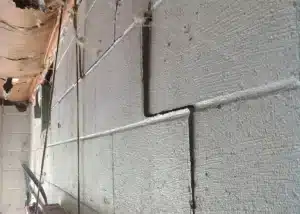
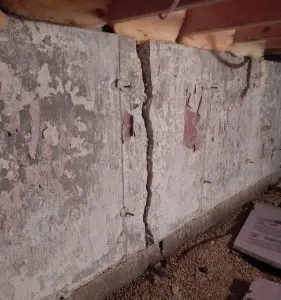
Moreover, homeowners should be vigilant for cracks in the walls or floors, which can also signal water intrusion issues. Early detection and action can save significant repair costs and improve the overall health of your living space.
When it comes to basement waterproofing, many homeowners face the choice between DIY solutions and hiring professionals. While DIY methods can be cost-effective, they often lack the expertise and comprehensive approach that professional services provide.
Professionals not only assess the specific needs of your basement but also implement tailored solutions that ensure long-lasting protection against water damage. Understanding the pros and cons of each option can help homeowners make the best decision for their situation.
Maintaining a dry basement requires ongoing attention and adherence to best practices. Regularly inspecting your basement for leaks, ensuring proper drainage, and keeping gutters clean are vital steps in preventing water issues.
Additionally, using dehumidifiers can help control humidity levels, while sealing cracks and gaps can further enhance your basement's defenses against water intrusion. Implementing these practices can significantly reduce the risk of water damage over time.
Basement waterproofing techniques are essential for preventing water intrusion and protecting your home's foundation. Various methods, including interior and exterior waterproofing systems, help manage water effectively, ensuring a dry and safe basement environment.
For instance, interior waterproofing often involves the installation of drainage systems and sump pumps, while exterior waterproofing may include the application of sealants and the grading of soil around the foundation. Understanding these techniques can empower homeowners to make informed decisions about their waterproofing needs.
Identifying the signs that your basement requires waterproofing is crucial for maintaining the integrity of your home. Common indicators include visible water stains, mold growth, and musty odors, all of which suggest moisture problems that need to be addressed.
Moreover, homeowners should be vigilant for cracks in the walls or floors, which can also signal water intrusion issues. Early detection and action can save significant repair costs and improve the overall health of your living space.
When it comes to basement waterproofing, many homeowners face the choice between DIY solutions and hiring professionals. While DIY methods can be cost-effective, they often lack the expertise and comprehensive approach that professional services provide.
Professionals not only assess the specific needs of your basement but also implement tailored solutions that ensure long-lasting protection against water damage. Understanding the pros and cons of each option can help homeowners make the best decision for their situation.
Maintaining a dry basement requires ongoing attention and adherence to best practices. Regularly inspecting your basement for leaks, ensuring proper drainage, and keeping gutters clean are vital steps in preventing water issues.
Additionally, using dehumidifiers can help control humidity levels, while sealing cracks and gaps can further enhance your basement's defenses against water intrusion. Implementing these practices can significantly reduce the risk of water damage over time.