
Give us a call (24/7) at

Proudly Serving the State of Wisconsin

Comprehensive Guide to Crawlspace Waterproofing Systems: Protecting Your Home from Moisture Damage

Comprehensive Guide to Crawlspace Waterproofing Systems: Protecting Your Home from Moisture Damage
Crawlspaces are often overlooked areas in homes, yet they play a crucial role in the overall health and stability of the structure. Unfortunately, crawlspaces are highly susceptible to moisture infiltration, which can lead to a host of problems such as mold growth, wood rot, and structural damage. Crawlspace waterproofing systems are essential for mitigating these risks and ensuring a dry and healthy environment. In this comprehensive guide, we’ll explore everything you need to know about crawlspace waterproofing systems, including their importance, common issues, effective waterproofing methods, installation process, maintenance, and benefits.

The Importance of Crawlspace Waterproofing Systems

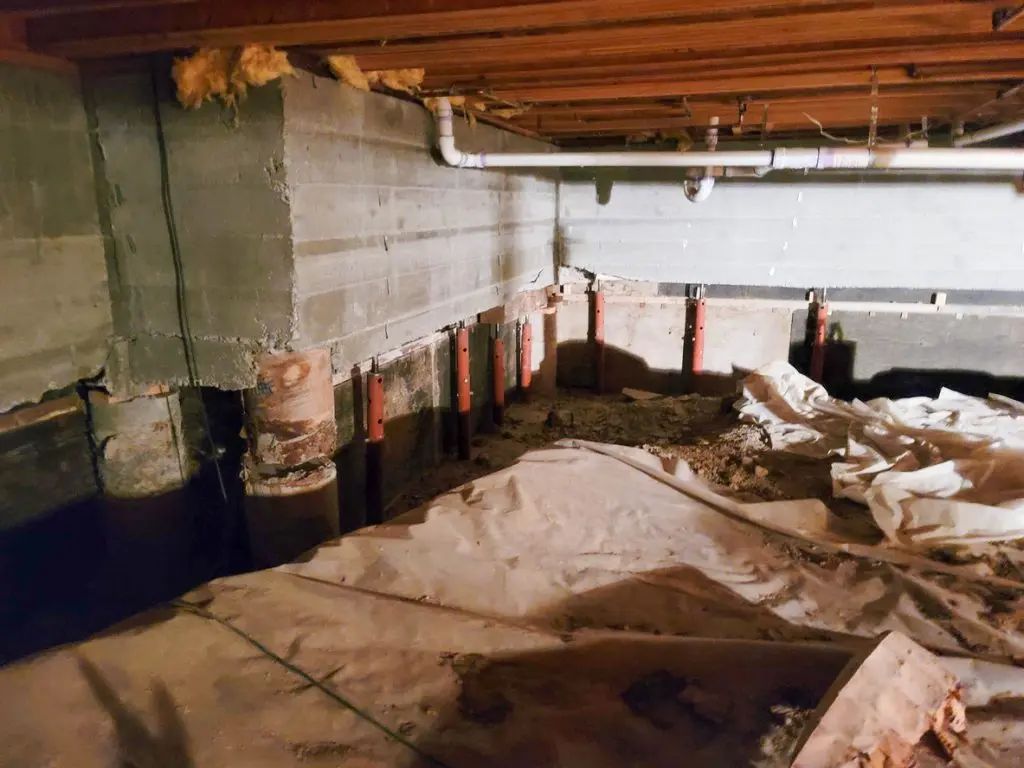
Crawlspace waterproofing systems are essential for several reasons:crawlspace-waterproofing-systems-basement-repair-specialists-1
  • Prevent Moisture Damage: Moisture infiltration in crawlspaces can lead to wood rot, mold growth, and structural damage, compromising the integrity of the home.
  • Improve Indoor Air Quality: Excess moisture in crawlspaces can lead to mold and mildew growth, which can negatively impact indoor air quality and pose health risks to occupants.
  • Protect Structural Integrity: Moisture-related issues such as wood rot and mold can weaken the structural components of the crawlspace, including floor joists, beams, and subflooring.
  • Prevent Pest Infestations: Damp crawlspaces provide an ideal environment for pests such as termites, ants, and rodents. Waterproofing helps deter pests by eliminating moisture sources.

Common Issues in Crawlspace Waterproofing

Before delving into waterproofing solutions, it’s essential to understand the common issues that plague crawlspaces:
  • Standing Water: Poor drainage or grading issues can cause water to pool in the crawlspace, leading to standing water and moisture buildup.
  • High Humidity Levels: Crawlspace environments are prone to high humidity levels, especially in humid climates or during the summer months, which can contribute to mold and mildew growth.
  • Inadequate Ventilation: Poor ventilation in crawlspaces can trap moisture and exacerbate humidity levels, creating an ideal environment for mold, mildew, and wood rot.
  • Foundation Cracks: Cracks in the foundation walls or floor can allow water to seep into the crawlspace, leading to moisture infiltration and structural damage.

Effective Crawlspace Waterproofing Methods

Several effective waterproofing methods can help protect crawlspaces from moisture infiltration:
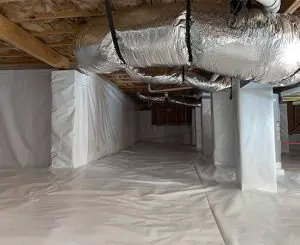
  • Crawlspace Encapsulation: Crawlspace encapsulation involves sealing the crawlspace with a moisture barrier, such as a heavy-duty plastic liner, to prevent moisture from entering the space. The encapsulation process typically includes sealing vents, installing a vapor barrier on the floor and walls, and sealing gaps and cracks in the foundation.
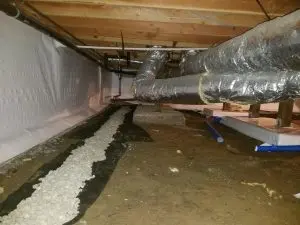
  • Interior Drainage Systems: Interior drainage systems, such as French drains or sump pumps, can be installed inside the crawlspace to collect and remove water that seeps through the walls or floor. These systems help manage excess moisture and prevent standing water.
  • Exterior Waterproofing: Exterior waterproofing involves applying waterproofing membranes or coatings to the exterior surface of the foundation walls to prevent water infiltration. This method helps prevent moisture from reaching the crawlspace in the first place.
  • Foundation Repair: If foundation cracks or structural issues are contributing to moisture infiltration, foundation repair may be necessary to address the underlying issues and prevent further damage.

Installation Process of Crawlspace Waterproofing Systems

The installation process for crawlspace waterproofing systems may vary depending on the specific needs of the crawlspace and the chosen waterproofing method. However, the general steps typically include:
  • Assessment and Planning: Begin by assessing the crawlspace for any existing moisture issues, foundation cracks, or structural damage. Develop a waterproofing plan based on the crawlspace’s layout, condition, and specific needs.
  • Crawlspace Preparation: Clear out any debris, insulation, or other materials from the crawlspace to create a clean and accessible work area.
  • Encapsulation: If encapsulation is chosen as the waterproofing method, install a heavy-duty plastic vapor barrier on the floor and walls of the crawlspace. Seal the seams and edges of the vapor barrier to create a continuous moisture barrier.
  • Interior Drainage Installation: If interior drainage systems are being installed, excavate trenches along the perimeter of the crawlspace or in areas where drainage improvements are needed. Install perforated pipes and gravel bedding to collect and redirect water away from the crawlspace.
  • Exterior Waterproofing: If exterior waterproofing is necessary, apply waterproofing membranes or coatings to the exterior surface of the foundation walls. Ensure thorough coverage to create a watertight seal and prevent moisture infiltration.
  • Foundation Repair: Address any foundation cracks or structural issues that may be contributing to moisture infiltration. Repair cracks with waterproofing sealant and reinforce weak or damaged areas as needed.
  • Finishing Touches: Once the waterproofing system is installed, add finishing touches such as insulation, access doors, and ventilation vents to ensure proper airflow and moisture control in the crawlspace.

Maintenance of Crawlspace Waterproofing Systems

Regular maintenance is essential for ensuring the effectiveness of crawlspace waterproofing systems. Here are some maintenance tasks to consider:
  • Inspect and Clean Gutters and Downspouts: Keep gutters and downspouts clean and free of debris to ensure proper water drainage away from the foundation and crawlspace.
  • Check Sump Pump Regularly: Test the sump pump regularly to ensure it is working correctly. Check the pump, pit, and discharge pipe for any signs of damage or clogging.
  • Monitor Humidity Levels: Use a hygrometer to monitor humidity levels in the crawlspace and address any spikes or fluctuations promptly. Consider installing a dehumidifier to maintain optimal humidity levels.
  • Inspect Vapor Barrier: Periodically inspect the vapor barrier in the crawlspace for any signs of damage or deterioration. Repair or replace the vapor barrier as needed to maintain its effectiveness.
  • Seal Gaps and Cracks: Inspect the crawlspace for any gaps, cracks, or openings that may allow moisture to enter. Seal these areas with waterproofing sealant or caulk to prevent water infiltration.

Benefits of Crawlspace Waterproofing Systems

Crawlspace waterproofing systems offer numerous benefits for homeowners, including:
  • Prevention of Moisture Damage: By effectively managing moisture infiltration, crawlspace waterproofing systems help prevent wood rot, mold growth, and structural damage in the crawlspace.crawlspace-waterproofing-systems-basement-repair-specialists-2
  • Improved Indoor Air Quality: A dry and well-ventilated crawlspace contributes to better indoor air quality by reducing humidity levels and preventing mold and mildew growth.
  • Protection of Structural Integrity: Waterproofing systems help preserve the structural integrity of the crawlspace, including floor joists, beams, and subflooring, by preventing moisture-related issues such as wood rot and decay.
  • Energy Efficiency: Properly sealed and insulated crawlspaces help improve energy efficiency by reducing heat loss and preventing air leakage, resulting in lower heating and cooling costs.
  • Pest Prevention: Damp crawlspaces provide an ideal environment for pests such as termites, ants, and rodents. Waterproofing systems help deter pests by eliminating moisture sources and sealing entry points.
Crawlspace waterproofing systems are essential for protecting your home from moisture damage and ensuring a dry, healthy environment. By understanding the importance of crawlspace waterproofing, common issues, effective waterproofing methods, installation process, maintenance tips, and benefits, homeowners can take proactive steps to safeguard their crawlspaces and ensure their longevity. Whether you’re dealing with standing water, high humidity levels, or foundation cracks, investing in a reliable crawlspace waterproofing system is an investment in the health, safety, and value of your home.

Contact the Professionals at Basement Repair Specialists Today! (855) 554-7246

Contact the Professionals at Basement Repair Specialists, LLC Today! (855) 554-7246