
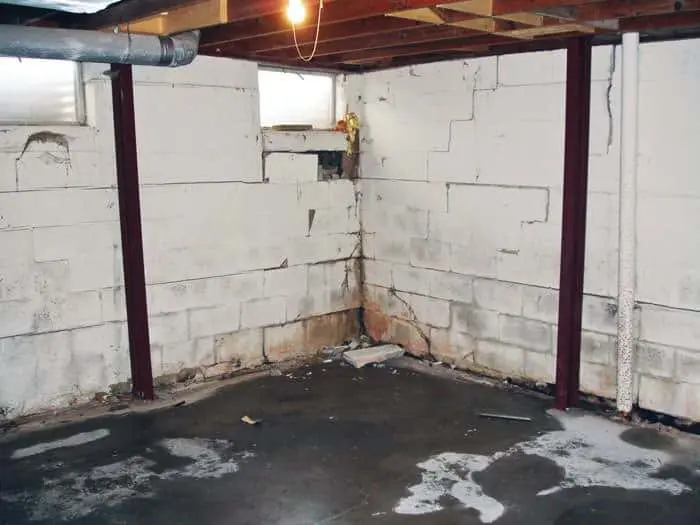
A strong foundation is essential for the stability and structural integrity of any building. However, over time, foundations can develop issues that require repair to prevent further damage. In this comprehensive guide, we will explore the basics of foundation repair, including common problems, signs of foundation damage, repair methods, and factors to consider when addressing foundation issues.
Common Problems with Foundations
Foundations can experience various issues due to factors such as soil movement, water intrusion, poor construction practices, and natural disasters. Some common problems include:
Cracks:Cracks in the foundation can occur due to settling, expansive soils, or hydrostatic pressure from water buildup around the foundation.
Settlement: Foundation settlement occurs when the soil beneath the foundation compresses or shifts, causing the foundation to sink or settle unevenly.
Heaving: In contrast to settlement, foundation heaving occurs when the soil expands, pushing the foundation upward and causing it to become uneven.
Water Damage: Water intrusion can weaken the foundation, leading to cracks, erosion of soil beneath the foundation, and deterioration of concrete or masonry materials.
Underpinning: Underpinning involves strengthening or stabilizing the foundation by extending its depth or adding support beneath existing footings. Methods of underpinning include steel piers, helical piers, or concrete piers driven into stable soil or bedrock.
Slab Jacking: Slab jacking, also known as mud jacking, involves injecting a grout mixture beneath a sunken concrete slab to raise it back to its original position. This method is commonly used for concrete slab foundations.
Foundation Waterproofing: Addressing water intrusion issues is crucial for preventing further damage to the foundation. Waterproofing methods may include installing drainage systems, sealing cracks, applying waterproof coatings, or improving grading around the foundation to redirect water away from the structure.
Reinforcement: Reinforcing damaged or weakened foundation walls with materials such as carbon fiber strips, steel braces, or wall anchors can help stabilize the structure and prevent further movement.
Factors to Consider When Repairing Foundations
Several factors should be considered when planning foundation repairs, including:
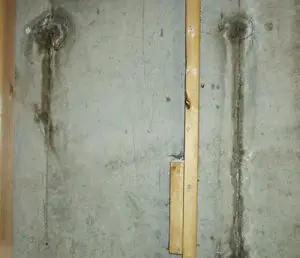
The extent of Damage: The severity and extent of foundation damage will influence the choice of repair method and the overall cost of repairs.
Budget: Foundation repairs can be costly, so homeowners should carefully consider their budget and explore financing options if necessary.
Foundation repair is a complex process that requires careful assessment, planning, and execution. By understanding common foundation problems, recognizing signs of damage, and exploring repair methods, homeowners can take proactive steps to address foundation issues and ensure the stability and longevity of their homes.
Contact the Professionals at Basement Repair SpecialistsToday!(855) 554-7246
Tom Trinko is the dedicated owner of Basement Repair Specialists, a company renowned for its expert solutions in basement and foundation repairs. With a strong commitment to excellence and customer satisfaction, Tom has led his team to become one of the leading providers in the industry. Under his guidance, Basement Repair Specialists have developed a reputation for their reliability, innovative repair techniques, and exceptional service. Tom’s leadership is defined by his vast industry knowledge, customer-first approach, and a steadfast dedication to providing homeowners with cost-effective, durable solutions for their basement and foundation needs. For more information about Tom Trinko and the services offered by Basement Repair Specialists, visit their website at https://basementrepairspecialists.com/.
Contact the Professionals at Basement Repair Specialists, LLC Today! (855) 554-7246

Manage Consent
To provide the best experiences, we use technologies like cookies to store and/or access device information. Consenting to these technologies will allow us to process data such as browsing behavior or unique IDs on this site. Not consenting or withdrawing consent, may adversely affect certain features and functions.
Functional
Always active
The technical storage or access is strictly necessary for the legitimate purpose of enabling the use of a specific service explicitly requested by the subscriber or user, or for the sole purpose of carrying out the transmission of a communication over an electronic communications network.
Preferences
The technical storage or access is necessary for the legitimate purpose of storing preferences that are not requested by the subscriber or user.
Statistics
The technical storage or access that is used exclusively for statistical purposes.The technical storage or access that is used exclusively for anonymous statistical purposes. Without a subpoena, voluntary compliance on the part of your Internet Service Provider, or additional records from a third party, information stored or retrieved for this purpose alone cannot usually be used to identify you.
Marketing
The technical storage or access is required to create user profiles to send advertising, or to track the user on a website or across several websites for similar marketing purposes.