

Your home’s foundation is its backbone, a vital structure that warrants your attention. What if you could fortify it against future issues, minimizing the need for costly repairs? You can, by investing in quality building materials, regular inspections, and thoughtful landscaping. But how do you pick the right materials, and what should you look for in an inspection? More importantly, can landscaping make a difference? Let’s explore these questions together to help you build a foundation that stands the test of time.
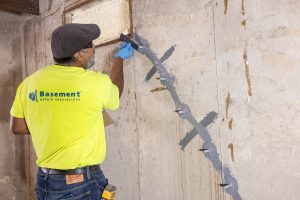 Delving into the depths of your home’s foundation, it’s crucial to understand its underlying structure and purpose. Two prevalent foundation types you’ll encounter are slab and crawl space.
Slab foundations, as the name suggests, are a single layer of concrete, often reinforced with steel bars. They’re typically used in warmer climates where the ground doesn’t freeze and cause the foundation to crack.
Crawl space foundations, on the other hand, are raised off the ground to allow for utilities and ventilation. This type is common in damp or flood-prone areas since it helps keep the home dry.
Now, let’s talk foundation materials. Concrete is the most common and versatile option, offering impressive strength and durability.
Stone foundations, while aesthetically pleasing, can suffer from mortar decay over time. Then there’s brick, a popular choice for its traditional appeal and resistance to fire. However, it isn’t as durable as concrete.
Finally, wood is rarely used nowadays due to its susceptibility to rot and termites.
Understanding these foundation types and materials equips you with essential knowledge to future-proof your home.
Stay tuned for our next topic: “Regular Foundation Inspections”.
To future-proof your home’s foundation, you can’t overlook the crucial role of regular inspections.
Spotting foundation issues early on is key to avoiding extensive damage and costly repairs down the line.
Engaging professional inspection services can provide a thorough and accurate assessment, equipping you with the knowledge to maintain a solid and stable foundation for your home.
Seven out of ten homeowners underestimate the importance of regular foundation inspections. Yet, these checks are vital to maintaining the structural integrity of your home and future-proofing your investment.
So, let’s delve into why regular inspections are critical.
Inspection frequency is key in catching potential problems early without letting them escalate into costly repairs. As a rule of thumb, you should arrange for a professional inspection of your home’s foundation at least once a year. This time frame is sufficient to spot minor changes that could indicate a looming issue.
Your inspector will follow an inspection checklist, meticulously examining every aspect of your foundation. This list will ensure that no stone is left unturned, and all potential weak points are identified.
It’s not just about visible cracks or signs of wear. It’s about assessing the overall health of your foundation, including moisture levels, soil conditions, and drainage issues.
Having understood the importance of regular inspections, let’s now focus on spotting foundation issues early through these assessments.
Cracking walls can be your first clue. If you notice cracks spreading across your walls, it’s likely a sign of foundation movement. This can compromise the structural integrity of the building.
Uneven floors are another tell-tale sign. They often point to settling issues within the foundation.
Basement leaks and moisture problems are also common indicators of foundation damage. Excess water can lead to soil erosion around the foundation, weakening it over time.
Tree roots can cause significant damage to your foundation. If you notice roots growing close to your house, it’s imperative that you take action to prevent them from affecting your foundation.
Seismic activity can also lead to foundation issues. If you live in an area prone to earthquakes, it’s crucial to ensure your foundation is built to withstand such forces.
Lastly, always pay attention to the smell. Musty odors can indicate moisture problems, signaling potential foundation issues.
Kick-start your journey of maintaining a strong foundation by enlisting the help of professional inspection services. These services carry out regular foundation inspections, a critical aspect of long-term foundation health. They offer expert evaluations and thorough analysis, ensuring accurate reporting of your home’s foundational state.
Professional services employ a meticulous approach to structural assessment. They focus on damage detection, identifying potential issues before they escalate. Safety assurance is another key component of their services, confirming that your home’s foundation meets all safety standards.
Consider the following table, outlining the benefits of hiring professional inspection services:
| Benefit | Description |
|---|---|
| Expert Evaluations | Professionals have the knowledge and experience to accurately assess your foundation. |
| Damage Detection | Early detection of foundation issues can prevent more serious damage. |
| Safety Assurance | Experts ensure your foundation meets all relevant safety standards. |
| Thorough Analysis | Detailed inspections provide a comprehensive view of your foundation’s health. |
| Accurate Reporting | Professional services provide precise reports, helping you make informed decisions. |
Ensuring proper drainage plays a pivotal role in safeguarding your home’s foundation from potential damage. It’s not simply about diverting water away from your property, but implementing strategic water management plans.
The key is to identify and control the flow of water, both on and under the surface. It’s crucial to assess your property for potential vulnerabilities that may lead to water pooling near or infiltrating your foundation.
Without proper drainage solutions, your foundation is at risk of erosion, shifting, and cracking – defects that can cost a fortune to repair. Note that even minor pooling can escalate to major foundation issues if neglected.
Consider investing in high-quality gutter systems to effectively channel roof runoff away from your home. Additionally, graded landscaping can work wonders in directing surface water away from your foundation.
For subsurface water, weeping tile systems can be effective.
Understanding soil stabilization is key to future-proofing your home’s foundation.
It’s not just about knowing the type of soil you’re dealing with, but also the most effective techniques to prevent movement and shifting.
Let’s examine the methods that you can implement to achieve a stable, secure foundation.
Your home’s foundation is only as strong as the soil it rests upon. Understanding soil stabilization is paramount when it comes to ensuring foundation stability. A thorough soil testing is the first step in determining your soil composition and moisture retention capacity. Knowing these factors will help you understand the types of soil you’re dealing with and how to strengthen your foundation accordingly.
Consider these aspects of soil stabilization:
Often, implementing stabilization methods for your foundation’s soil is the key to a solid, long-lasting base. This process involves the use of advanced stabilization technologies and foundation reinforcement techniques that ensure your home stays intact and safe, regardless of the environmental conditions it may face.
One advanced stabilization technology is chemical stabilization. By injecting a chemical mixture into the soil, you can increase its overall strength and resistance. The choice of chemical depends on your soil’s composition. Lime is often used for clay-rich soils, while cement is suitable for sandy soils.
Foundation reinforcement techniques are essentially about adding strength to the soil. This can be achieved by mechanically compacting the soil or adding geosynthetic materials such as geogrids. These techniques can significantly improve the soil’s load-bearing capacity, ensuring your foundation’s stability.
It’s essential to understand the soil’s properties before deciding on a suitable stabilization method. A professional soil test can provide valuable insights into your soil’s composition and characteristics.
With this information, you can choose the most effective stabilization method, ensuring your home’s foundation is future-proofed against potential issues. The key is proactive preparation and the correct application of these techniques.
Although it might seem obvious, the choice of building materials for your home’s foundation can have a significant impact on its future resilience. Quality materials are pivotal in ensuring the durability, structural integrity, and longevity of your home.
It’s not just about being green – these materials often boast superior durability factors.
Seek a balance between cost and quality, ensuring the materials meet your needs without straining your budget.
While selecting high-quality building materials forms the backbone of a sturdy foundation, it’s equally important to consider other protective measures to boost your home’s resilience. Investing in foundation waterproofing can significantly reduce the chances of water damage, mold growth, and foundation degradation.
You’ll need to select the most suitable waterproofing materials for your specific needs. Some materials, such as liquid membranes or sheet membranes, offer robust waterproofing solutions. They form a continuous layer over the foundation, preventing water ingress. However, they might not be the best option in areas with high groundwater levels.
Drainage solutions are another key aspect of foundation waterproofing. Well-designed drainage systems divert water away from the foundation, reducing the pressure on the waterproofing materials. These can range from simple sloped landscapes to more complex French drain systems.
Consider the following table for a quick comparison:
| Waterproofing Material | Suitable Drainage Solution |
|---|---|
| Liquid Membrane | Sloped Landscape |
| Sheet Membrane | French Drain System |
| Bentonite Clay | Sump Pump System |
| Cementitious Coating | Gravel Drains |
| Silicate Sealers | Channel Drains |
Landscaping plays a crucial role in safeguarding your home’s foundation. Careful plant selection and strategic tree placement can significantly improve soil health, contributing to a sturdy base for your home.
However, landscaping isn’t just about selecting native plants and placing them appropriately. It involves a series of landscaping techniques and hardscaping options designed to protect your home’s foundation.
Consider these aspects:
A well-thought-out landscaping plan can go a long way in future-proofing your home’s foundation. It’s not just about aesthetics; it’s about using every tool at your disposal, including your yard, to safeguard your home.
Don’t underestimate the power of a well-placed shrub or a well-designed drainage system.
Despite the best efforts in landscaping and maintenance, your home’s foundation may still encounter problems that require professional intervention. Different foundation types can exhibit unique repair signs. Therefore, it’s crucial to understand these signs and when they necessitate help from experts.
For slab and pier-and-beam foundations, signs of damage may appear as cracks in walls or floors, doors that refuse to shut properly, or uneven flooring. If these signs persist or worsen, it’s time to call a professional. They’ll have the expertise to assess the situation and recommend suitable repair solutions.
Crawl space foundations, on the other hand, may exhibit dampness, mold growth, or sagging floors as signs of potential problems. Don’t ignore these symptoms; they could signify serious underlying issues. A professional can inspect the area, identify the cause, and advise on the next steps.
Basement foundations might show water seepage, bowing walls, or cracks in the floor or walls. These are serious indicators of structural damage and should be addressed by professionals immediately.
Vigilance is your greatest ally in preserving the health of your home’s foundation. Regular maintenance schedules and seasonal checks aren’t just important, they’re essential. By staying proactive, you’ll prevent minor issues from escalating into costly repairs.
Here are a few tips to keep your foundation in top condition:
Your home’s foundation lifespan heavily depends on the materials used and how well it’s maintained.
Concrete foundations typically last a lifetime, around 100 years or more. However, if you’re not vigilant about foundation maintenance, it could degrade much sooner.
Factors like soil conditions, weather, and water drainage can affect its longevity.
It’s crucial to regularly check for cracks or damage to ensure your foundation stays solid for years to come.
Climate change can seriously impact your home’s foundation. Increased rainfall can cause soil erosion, weakening the ground your home sits on. This instability can lead to significant foundation damage.
On the other hand, extreme heat can dry out the soil, causing it to contract and pull away from your foundation.
It’s essential that you have proper moisture control systems in place to mitigate these effects and maintain your foundation’s stability.
Typically, homeowners insurance doesn’t cover foundation damage, especially if it’s due to wear and tear or poor maintenance. This leaves the repair coverage responsibility on you.
Each policy varies, so it’s crucial to review your insurance details. However, if an insured peril like a fire causes the damage, your policy might step in.
Absolutely, you can use smart home technology to monitor your foundation’s health.
Consider installing foundation sensors. These devices assess the structural integrity of your home, alerting you to any potential issues. They provide detailed, technical information about shifts or cracks.
Estimating costs for future-proofing your foundation involves several factors.
You’ll need to consider the price of a foundation inspection, the potential costs of various repair techniques, soil stabilization methods, and drainage solutions.
Material selection also plays a significant role in the overall cost.
Each of these elements will vary based on your specific situation, so it’s best to get professional estimates to accurately predict costs.
In conclusion, safeguarding your home’s foundation isn’t a one-time task, it’s an ongoing commitment. Regular inspections, proper drainage, and soil stabilization are key. Always choose high-quality building materials and invest in waterproofing. Don’t underestimate the role of smart landscaping. If you spot trouble, call in the professionals. By maintaining this vigilant approach, you’ll effectively future-proof your foundation, ensuring its strength and resilience for years to come.

Tom Trinko is the dedicated owner of Basement Repair Specialists, a company renowned for its expert solutions in basement and foundation repairs. With a strong commitment to excellence and customer satisfaction, Tom has led his team to become one of the leading providers in the industry. Under his guidance, Basement Repair Specialists have developed a reputation for their reliability, innovative repair techniques, and exceptional service. Tom’s leadership is defined by his vast industry knowledge, customer-first approach, and a steadfast dedication to providing homeowners with cost-effective, durable solutions for their basement and foundation needs. For more information about Tom Trinko and the services offered by Basement Repair Specialists, visit their website at https://basementrepairspecialists.com/.
Contact the Professionals at Basement Repair Specialists, LLC Today! (855) 554-7246