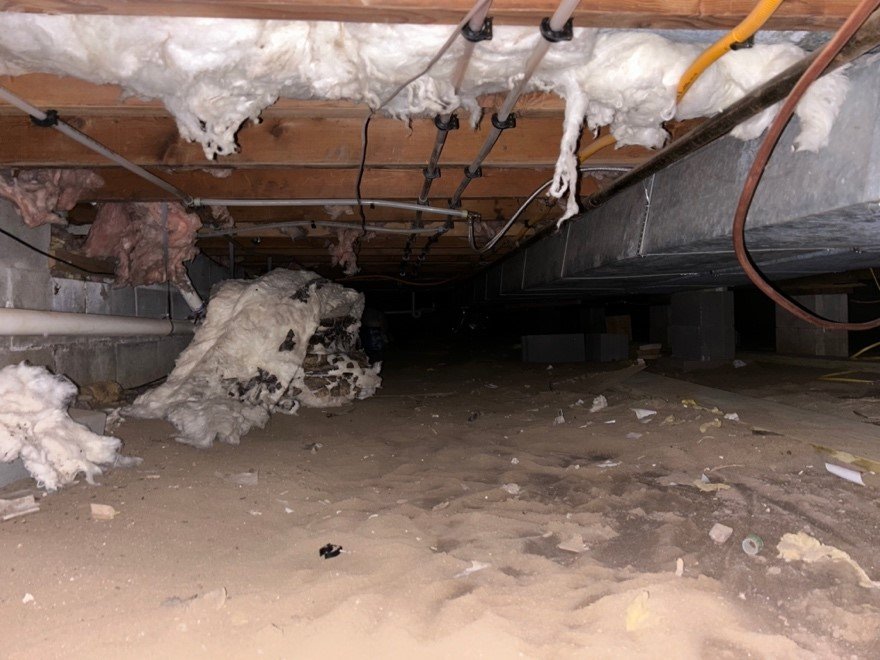
Crawlspaces often go unnoticed, but they play a vital role in maintaining the structural integrity of your home. These areas are highly susceptible to moisture issues, which can lead to mold growth, foundation damage, and poor indoor air quality. Propercrawlspace waterproofingnot only protects your home but also enhances its value and energy efficiency. This article explores the most effective crawlspace waterproofing techniques and preventive measures to keep your home safe and dry.
Why Crawlspace Waterproofing is Crucial
Waterproofing your crawlspace is an essential step in preserving the health of your home. Key benefits include:
- Foundation Stability:Prevents water from weakening the foundation, reducing the risk of cracks and structural damage.
- Healthier Living Environment:Reduces humidity and prevents mold and mildew, which can affect air quality.
- Energy Efficiency:Keeps your home insulated, lowering energy bills and improving comfort.
- Pest Control:Eliminates damp conditions that attract pests like termites and rodents.
- Increased Home Value:A properly waterproofed crawlspace ensures long-term protection, making your home more appealing to buyers.
Signs Your Crawlspace Needs Waterproofing
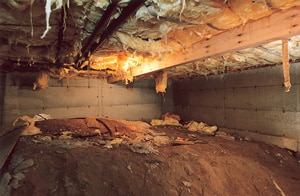 Moisture problems in your crawlspace can manifest in several ways. Watch for:
- Standing water or persistent dampness.
- A musty or moldy odor in the crawlspace or living areas above.
- Visible mold or mildew on wood, insulation, or other surfaces.
- Rust on metal components or rotting wood.
- Increased presence of pests, such as insects or rodents.
- Sagging or uneven floors above the crawlspace.
Addressing these signs promptly can prevent costly repairs and further damage.
Effective Crawlspace Waterproofing Techniques
There are several proven methods for waterproofing crawlspaces, each targeting specific issues. Here’s a closer look:
Encapsulation is a comprehensive waterproofing solution that seals the entire crawlspace.
- Process:
- Install a durable vapor barrier made of polyethylene or similar materials over the crawlspace floor, walls, and exposed surfaces.
- Seal seams and edges with waterproof tape to create an airtight barrier.
- Benefits:
- Prevents moisture from entering the crawlspace from the ground or walls.
- Reduces humidity levels, minimizing mold growth and musty odors.
- Improves energy efficiency by creating a controlled environment.
- Best Use:Recommended for homes in high-humidity areas or those with recurring crawlspace moisture problems.
2. Sump Pump Installation
Sump pumps are crucial for managing water accumulation in crawlspaces prone to flooding or heavy rain.
- How It Works:
- Water collects in a sump pit, typically located at the lowest point of the crawlspace.
- The pump automatically removes the water, directing it away from the home.
- Advantages:
- Protects against standing water and reduces the risk of flooding.
- Works effectively alongside other waterproofing methods.
- Maintenance:Ensure the pump is regularly tested and cleaned for optimal performance.
3. French Drains
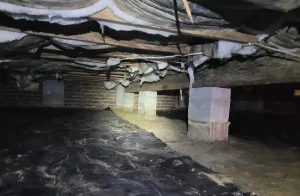 French drainsprovide an effective way to redirect groundwater away from your crawlspace.
- Installation:
- Perforated pipes are installed around the foundation perimeter and surrounded by gravel.
- The system channels water away from the crawlspace, reducing hydrostatic pressure.
- Benefits:
- Prevents water buildup near the foundation.
- Protects both the crawlspace and foundation from water-related damage.
- Best Use:Ideal for homes in areas with high water tables or poor soil drainage.
4. Vapor Barriers
Vapor barriers are an integral part of most crawlspace waterproofing systems.
- Function:
- Installed over the soil or concrete floor to block moisture from entering the air in the crawlspace.
- Material:Made from heavy-duty plastic or polyethylene sheets.
- Advantages:
- Reduces humidity levels and minimizes the risk of mold and mildew.
- Prevents wood rot and structural deterioration.
- Best Practice:Combine with dehumidifiers for maximum effectiveness.
5. Dehumidifiers
Dehumidifiers play a key role in regulating crawlspace humidity.
- Features:
- Removes excess moisture from the air, reducing condensation on surfaces.
- Some models include filtration systems to improve air quality.
- Benefits:
- Prevents mold and mildew growth.
- Complements encapsulation and vapor barrier systems for better results.
- Maintenance:Clean filters regularly to maintain efficiency.
6. Exterior Grading and Drainage
Proper landscaping and drainage prevent surface water from reaching the crawlspace.
- Techniques:
- Grade the soil around the home to slope away from the foundation.
- Install downspout extensions to direct water at least 10 feet away from the home.
- Advantages:
- Reduces the risk of water pooling near the foundation.
- Protects both the crawlspace and the home’s structural integrity.
7. Crawlspace Insulation
Insulating your crawlspace enhances temperature regulation and moisture control.
- Options:
- Spray foam insulation: Seals gaps and cracks, providing both thermal and moisture protection.
- Rigid foam boards: Water-resistant and effective for insulating walls and floors.
- Benefits:
- Prevents moisture migration through walls.
- Improves energy efficiency and reduces condensation.
Preventive Measures to Maintain a Dry Crawlspace
Alongside waterproofing techniques, taking preventive steps helps maintain a dry and healthy crawlspace:
- Regular Inspections
- Inspect your crawlspace twice a year for signs of moisture, mold, or structural damage.
- Gutter Maintenance
- Keep gutters clean and ensure downspouts direct water away from the foundation.
- Monitor Landscaping
- Avoid planting trees or shrubs too close to the foundation to prevent root intrusion.
- Seal Openings
- Close vents and seal gaps around pipes or electrical conduits to prevent air and water infiltration.
When to Call a Professional
While some crawlspace waterproofing tasks can be DIY, hiring a professional ensures effective and lasting solutions. Benefits include:
- Expert Assessment:Professionals can identify the root cause of moisture issues and recommend tailored solutions.
- Quality Materials:Use of professional-grade products ensures durability and long-term effectiveness.
- Warranty:Many contractors offer warranties, giving homeowners peace of mind.
Crawlspace waterproofingis a critical part of protecting your home from water damage, mold, and structural issues. Techniques such as encapsulation, sump pumps, French drains, and vapor barriers work together to keep crawlspaces dry and healthy. By combining these solutions with preventive maintenance and professional expertise, homeowners can ensure their crawlspace remains a safe and functional part of their home for years to come.
Contact the Professionals at Basement Repair SpecialistsToday! (855) 554 7246