Sump Pump Failure in Appleton, WI: Emergency Steps to Stop Basement Flooding
When heavy rainstorms move through Appleton or rapid spring snowmelt saturates the ground, your sump pump can become one of your home’s most important defenses against basement water.
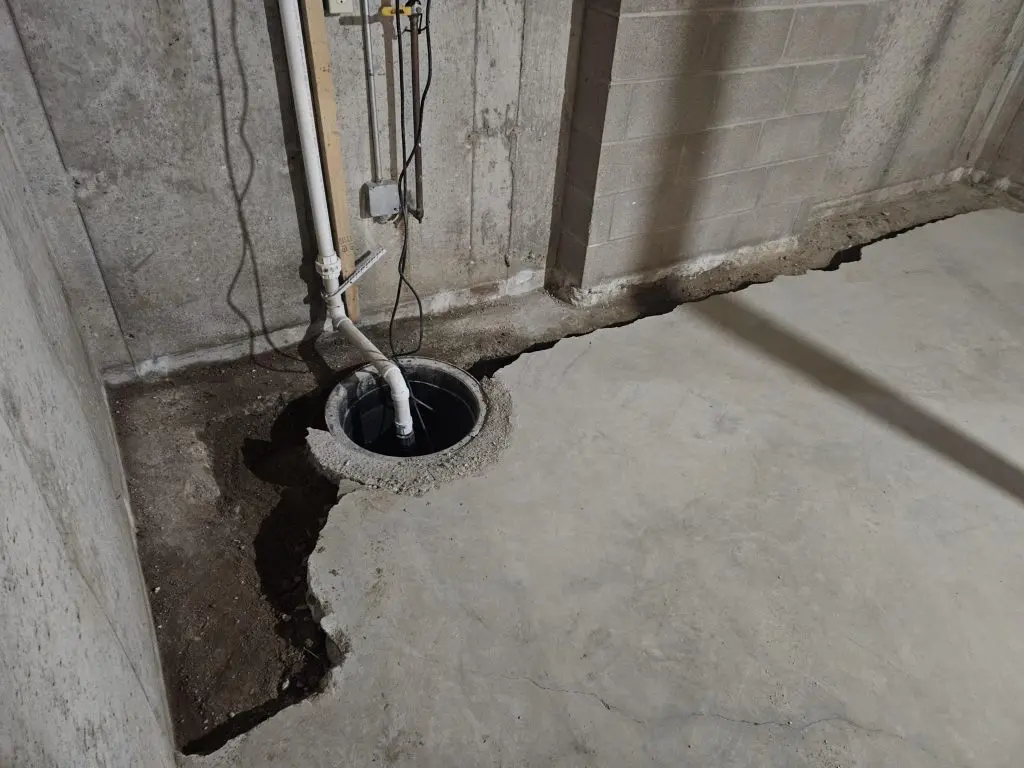
A sudden sump pump failure in Appleton, WI can allow water to rise quickly in the sump basin and eventually spread across the basement floor. For homeowners with finished basements, stored belongings, mechanical equipment, or other valuable property below grade, responding quickly can help reduce the potential for extensive water damage.
Knowing what to check—and when to call a professional—can make a significant difference when your sump pump stops working.
What Should You Do When Your Sump Pump Fails in Appleton?
If you notice water rising in your sump pit or beginning to collect on your basement floor, act quickly but safely. Start with these troubleshooting steps.
1. Prioritize Electrical Safety
Before touching your sump pump or stepping into standing water, consider the potential electrical hazard.
Water and electricity are a dangerous combination. If it is safe to do so, disconnect power to the sump pump at the outlet or switch off its circuit at your electrical panel before inspecting the equipment.
Do not enter standing water if electrical outlets, wiring, appliances, or other energized equipment may be submerged.
2. Inspect the Sump Pump Float Switch
A stuck or obstructed float switch can prevent an otherwise functional sump pump from turning on.
After safely disconnecting power, inspect the sump basin and make sure the float can move freely. It may become caught against the side of the basin, discharge pipe, pump, or accumulated debris.
Removing the obstruction may allow the pump to activate normally once power is safely restored.
3. Check for a Power Supply Problem
Storms and electrical interruptions can leave a sump pump without power when it is needed most.
Check whether the outlet is receiving power and whether a GFCI outlet has tripped. You can also inspect your electrical panel for a tripped circuit breaker.
If the pump receives power and the motor hums but does not move water, debris or sediment may be interfering with the pump or impeller.
4. Check the Exterior Discharge Line
Your sump pump cannot effectively remove water if the discharge line is blocked.
During Wisconsin winters and spring thaws, exterior discharge pipes may freeze. Leaves, mulch, dirt, and other yard debris can also obstruct the outlet.
Inspect the accessible exterior portion of the discharge system for visible obstructions. A blocked line can prevent water from leaving the sump basin and contribute to repeated cycling or rising water.
What Causes Sump Pumps to Fail in Appleton Homes?
Several problems can cause a sump pump to stop working or perform poorly during periods of heavy water intrusion.
Power outages: Severe Wisconsin storms can interrupt electrical service at the same time groundwater is entering the sump basin.
Pump overwhelm or mechanical failure: An aging, undersized, or continuously operating pump may struggle to keep up with incoming water.
Stuck or damaged check valves: A malfunctioning check valve can allow discharged water to flow back toward the sump basin, forcing the pump to operate more frequently.
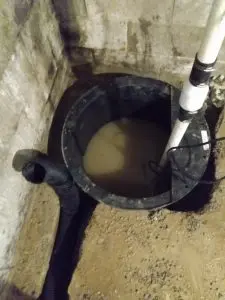
Silt and debris: Dirt, gravel, sediment, and other material inside the sump basin can interfere with the pump intake, float, or internal components.
Blocked discharge lines: Frozen or clogged discharge piping can prevent the pump from moving water safely away from the home.
Identifying the cause of a sump pump problem is important because simply replacing the pump may not address an underlying drainage or basement water-control issue.
Why Consider a Battery Backup Sump Pump in Appleton?
A home that depends entirely on one AC-powered sump pump remains vulnerable if the electricity goes out or the primary pump fails.
A battery backup sump pump system adds a second layer of protection.
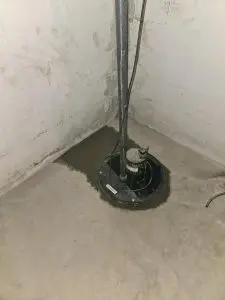
A typical dual-pump configuration combines a primary AC-powered sump pump with an independent backup pump. When properly designed and installed, the secondary system can activate when conditions prevent the primary pump from adequately controlling rising water.
Depending on the system, additional features may include alarms or notifications that alert homeowners when the backup pump activates or a problem is detected.
For Appleton homeowners concerned about basement flooding during storms or power outages, a professionally designed backup system can provide valuable additional protection.
How Can Appleton Homeowners Prepare Their Sump Pumps for Storm Season?
Preventive maintenance can help identify sump pump problems before the next major rainfall or spring thaw.
Consider checking your system at least twice a year, particularly before periods when basement water problems are more likely.
Test the Pump
Slowly add water to the sump basin and confirm that the rising water activates the float switch and pump.
Watch to make sure the pump removes the water properly and shuts off when the water level drops.
Clean the Sump Basin
Inspect the basin for accumulated sediment, rocks, dirt, or other debris that could obstruct the pump intake or interfere with the float mechanism.
Inspect the Check Valve
Check the visible portion of the discharge system and make sure the check valve is properly positioned and functioning as intended.
Inspect Your Backup System
If your home has a battery backup sump pump, follow the manufacturer’s maintenance recommendations and inspect accessible battery connections for obvious corrosion or damage.
A backup system provides little benefit if it is not ready to operate when the primary pump fails.
Frequently Asked Questions About Sump Pumps in Appleton, WI
How long does a sump pump typically last?
Sump pump lifespan depends on the equipment, installation, maintenance, water volume, and how frequently the pump operates.
Rather than relying only on age, homeowners should pay attention to warning signs such as unusual noises, frequent cycling, inconsistent operation, visible deterioration, or difficulty keeping up with incoming water.
Why is my sump pump running when it isn’t raining?
A continuously operating sump pump can have several possible causes, including a stuck float switch, water flowing back through a malfunctioning check valve, or groundwater continuing to enter the drainage system.
If the pump runs excessively without an obvious explanation, having the system inspected can help identify the underlying cause.
What happens if the power goes out during a storm?
A standard AC-powered sump pump generally cannot operate without household electricity.
This is one reason homeowners who are vulnerable to basement water intrusion may consider a battery backup sump pump system. The backup provides a secondary pumping option when the primary system cannot operate normally.
Protect Your Appleton Basement Before the Next Storm
The worst time to discover a sump pump problem is when water is already rising in your basement.
If your sump pump is aging, operating inconsistently, struggling during heavy rainfall, or has no backup protection, addressing the problem before the next Wisconsin storm can help reduce your home’s exposure to basement water damage.
Basement Repair Specialists LLC provides sump pump and basement waterproofing solutions for homeowners in Appleton, WI, and surrounding communities. Our team can evaluate your basement water-control system, identify potential vulnerabilities, and recommend an appropriate sump pump, backup system, or waterproofing solution for your home.
Protect your Appleton basement before the next heavy rain or spring thaw. Contact Basement Repair Specialists to schedule a professional basement inspection and find the right water-control solution for your home.
Tom Trinko is the dedicated owner of Basement Repair Specialists, a company renowned for its expert solutions in basement and foundation repairs. With a strong commitment to excellence and customer satisfaction, Tom has led his team to become one of the leading providers in the industry. Under his guidance, Basement Repair Specialists have developed a reputation for their reliability, innovative repair techniques, and exceptional service. Tom’s leadership is defined by his vast industry knowledge, customer-first approach, and a steadfast dedication to providing homeowners with cost-effective, durable solutions for their basement and foundation needs. For more information about Tom Trinko and the services offered by Basement Repair Specialists, visit their website at https://basementrepairspecialists.com/.
Contact the Professionals at Basement Repair Specialists, LLC Today! (855) 554-7246
Manage Consent
To provide the best experiences, we use technologies like cookies to store and/or access device information. Consenting to these technologies will allow us to process data such as browsing behavior or unique IDs on this site. Not consenting or withdrawing consent, may adversely affect certain features and functions.
Functional Always active
The technical storage or access is strictly necessary for the legitimate purpose of enabling the use of a specific service explicitly requested by the subscriber or user, or for the sole purpose of carrying out the transmission of a communication over an electronic communications network.
Preferences
The technical storage or access is necessary for the legitimate purpose of storing preferences that are not requested by the subscriber or user.
Statistics
The technical storage or access that is used exclusively for statistical purposes.The technical storage or access that is used exclusively for anonymous statistical purposes. Without a subpoena, voluntary compliance on the part of your Internet Service Provider, or additional records from a third party, information stored or retrieved for this purpose alone cannot usually be used to identify you.
Marketing
The technical storage or access is required to create user profiles to send advertising, or to track the user on a website or across several websites for similar marketing purposes.