
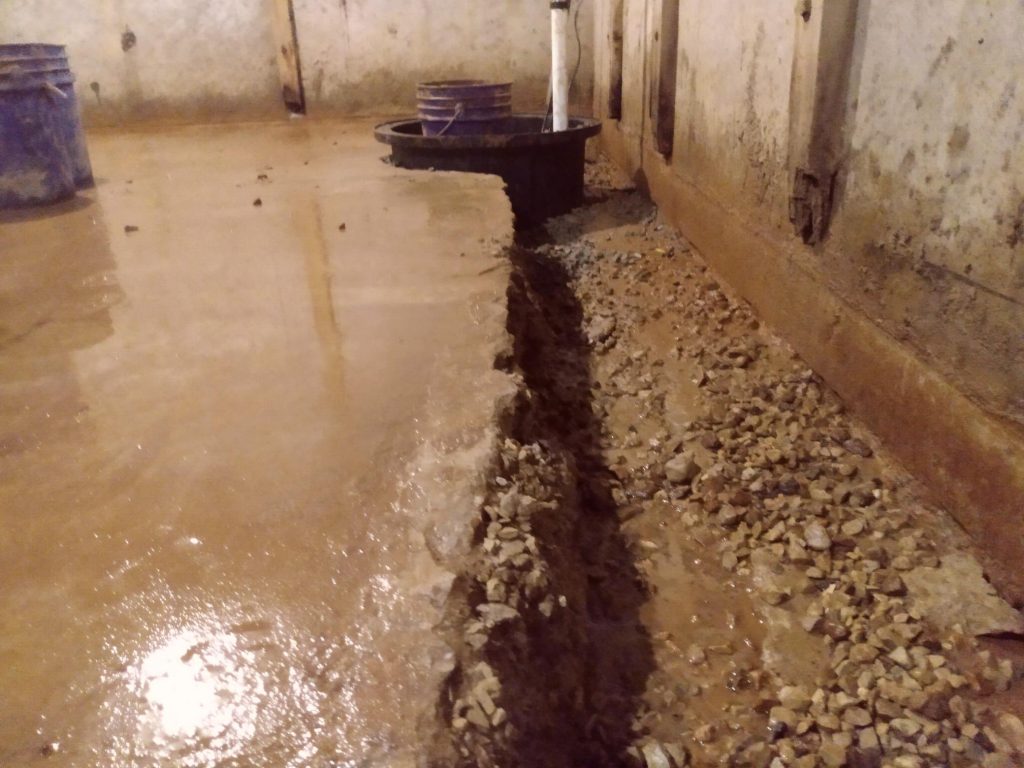
As we welcome the refreshing spring season in Appleton, WI, it’s essential to ask yourself: is your house ready to withstand the upcoming spring showers? It’s not just about the roof and gutters; from the foundation to window seals, and even down to your garden’s condition, every aspect plays a vital role in your home’s defense against potential water damage. So, are you curious about what steps you need to take to ensure your home is fully prepared for the rainy season ahead? Let’s get into it.
 Before the spring showers start pouring down, it’s crucial to assess the condition of your roof. You don’t want to be caught off guard by leaks or other common roof issues when the rain begins to fall.
Start with a roof inspection checklist. It’s a handy tool that can help you identify potential problems before they escalate. The first thing you should do is take a good look at your roof from the ground. You’re checking for missing or damaged shingles, which can be a sign of wear and tear or storm damage.
Next, check for signs of moss or algae. While they may seem harmless, they can cause significant damage over time. If you spot these, it’s time to call in a professional to clean your roof and assess the damage.
Another common roof issue is curling or buckling shingles. This can indicate that your roof is aging, and may need replacement soon.
Next up, let’s talk about your gutters and downspouts.
You can’t overlook the importance of clean gutters and well-maintained downspouts when preparing for those spring showers.
We’ll guide you through the essentials of gutter cleaning and share some helpful tips for downspout maintenance.
Regularly checking your gutters and downspouts is an essential part of home maintenance, especially as we head into spring.
As part of your seasonal cleaning checklist, don’t neglect the all-important task of gutter cleaning.
Here are some gutter maintenance tips to ensure you’re adequately prepared for spring showers.
First, take a close look at your gutters. Are they clogged with leaves, twigs, or other debris? If so, it’s time to roll up your sleeves and get to work.
Use a ladder to safely reach your gutters and begin the cleaning process. You can use a small scoop or trowel to remove debris, but don’t forget to wear gloves to protect your hands!
Once you’ve cleared the bulk of the material, use a garden hose to rinse the gutters. This won’t only remove the remaining debris but also help you spot any leaks.
Now that your gutters are clean, it’s crucial to turn your attention to your downspouts. These vital parts of your home’s water management system direct rainwater from your gutters away from your foundation, helping to prevent leaks and water damage.
But just like your gutters, downspouts require regular care to function effectively.
First, make sure to perform downspout cleaning at least twice a year. Use a plumber’s snake to clear out any debris that could cause blockages.
Don’t forget to check the exit point of the downspout for obstructions as well.
Next, consider installing downspout extensions if your downspouts aren’t directing water far enough away from your home. These handy accessories attach easily to the bottom of your downspouts and can extend several feet, ensuring that water is directed well away from your home’s foundation.
Next up, let’s talk about reinforcing your window seals.
Why should you care about this? Well, an undetected seal damage can lead to unwanted seepage during spring showers, but knowing how to spot the signs and reinforcing effectively can save you a lot of trouble.
Just as a shield protects a warrior, your window seals guard your home against the onslaught of spring showers. These seals are crucial in preventing water seepage and heat loss, ensuring your home remains comfortable and dry. Understanding window seal types and sealant applications is vital in home maintenance.
There are several types of window seals, but the most common are compression, adhesive, and sliding seals. Each has its unique features, but all serve the same purpose: to protect your home from the elements.
| Seal Type | Features | Application |
|---|---|---|
| Compression | Flexible, strong | Around movable window parts |
| Adhesive | Sticky backing | On stationary parts, like window frames |
| Sliding | Low friction for easy movement | Around sliding window parts |
Sealant applications also vary. Silicone sealants provide a waterproof barrier and are ideal for sealing gaps around windows. Acrylic sealants are perfect for smaller, less-exposed areas, and polyurethane sealants are best for larger, more exposed gaps.
Spotting signs of damage to your window seals can save you from costly repairs down the line. The first step is knowing how to identify these signs, using effective seal inspection methods. Don’t worry, it’s not as daunting as it sounds.
Here are some signs to watch out for:
Understanding what damaged seals look like is one thing. Knowing the different sealant types helps you understand what your windows are up against.
There are numerous sealant types available in the market. Silicone sealants are popular due to their flexibility and durability. Acrylic sealants, on the other hand, are easy to apply and paintable, making them a favorite for aesthetic considerations.
Once you’ve identified any damage to your window seals, it’s time to reinforce them. The first step is selecting the right sealant types. Silicone-based sealants are popular due to their flexibility and durability, but polyurethane sealants also offer excellent adhesion and weather resistance. Be sure to choose a sealant that’s right for your specific windows and climate.
Next, consider the application methods. Using a caulking gun, apply the sealant to the damaged area. Ensure you’re applying enough to fill any gaps, but be careful not to overapply, as this can lead to a messy finish. Smooth the sealant with a tool or your finger for a neat, professional result.
Remember, reinforcing your seals isn’t just about repairing damage. It’s also about preventative maintenance. Regularly check your seals for signs of wear and tear, and reinforce them as necessary. This will help you avoid larger issues down the line, saving you time and money in the long run.
With these tips, you’ll be well on your way to a watertight home ready for the spring showers. Don’t wait for the first drop to fall; prepare your home now.
Have you ever considered the potential damage spring showers might inflict on your basement?
Unexpected flooding can wreak havoc on your home, causing thousands of dollars in damages. It’s crucial to protect your basement from these risks.
One effective way to safeguard your basement is to invest in basement waterproofing. This process involves applying a sealant to your basement walls and floor, which can prevent water from seeping in.
You’ll also want to consider installing a sump pump to remove excess water.
Consider these additional steps:
Lastly, don’t overlook the importance of flood insurance.
Even with thorough waterproofing, nature can still take you by surprise. Having flood insurance will provide you with peace of mind and financial protection, making sure you’re covered should the unexpected occur.
While safeguarding your basement is a key step, another area you mustn’t neglect is your home’s foundation. Spring showers can wreak havoc on your home’s foundation if it’s not properly prepared. This is where foundation drainage comes into play. It’s an essential tool that helps manage water flow around your home, preventing it from seeping into your foundation and causing damage.
One of the most common foundation damage is soil erosion, a serious problem that can compromise the structural integrity of your home. When water accumulates, it can wash away the soil supporting your foundation, causing it to crack or shift.
Take a walk around your property. Look for signs of soil erosion, like uneven ground or exposed roots. Also, check for water pooling around your foundation, a clear sign of inadequate foundation drainage. You’ll want to address these issues immediately.
Consider installing a French drain or a sump pump to redirect water away from your home.
Also, make sure your gutters and downspouts are clean and directing water at least 5 feet away from your foundation.
Don’t wait for the spring showers to hit. Protecting your home’s foundation should be a priority, so get started today!
Bracing against the onslaught of spring showers, your garden requires special attention to thrive. It’s not just about keeping your plants hydrated, but also ensuring they’re not drowning.
You see, the key to a blooming spring garden lies in a combination of effective water retention, strategic plant positioning, and mindful plant selection.
Consider the following steps:
Just as tending to your garden is key in preparing for spring showers, so is ensuring your sump pump is in top working condition.
A properly functioning sump pump can be your home’s best defense against flooding. Therefore, regular sump pump maintenance is crucial.
Start by testing your sump pump. Pour a bucket of water into the sump pit. The pump should activate, remove the water, and then turn off smoothly. If it doesn’t, you might need professional help.
Next, clean the pump. Remove any debris from the grate at the bottom as this can block the water intake.
It’s also a good idea to check the discharge line for any obstructions or leaks.
If you don’t have a sump pump or it’s old and unreliable, consider a new sump pump installation.
Today’s models are more efficient and reliable, making them a smart investment.
To safeguard your property from the onslaught of spring showers, optimizing your home’s drainage system plays a crucial role.
It’s not just about preventing water damage either. You’re also improving your home’s overall health and longevity.
Consider these five tips to optimize your home’s drainage system:
Investing in these preventative measures can save you a lot of stress and money down the line.
It’s about more than just dealing with the immediate aftermath of a storm. By optimizing your drainage system, you’re proactively protecting your property, preserving your home’s structural integrity, and potentially increasing its value.
Don’t let those spring showers catch you off guard. Be prepared, and keep your home safe and dry.
You’ve got to protect your outdoor furniture from spring showers.
Start by investing in weather-resistant covers that’ll keep your pieces dry.
Consider storage options like sheds or deck boxes for smaller items.
Don’t forget to waterproof any fabrics, and if possible, move your furniture under a covered area when it’s raining.
A little effort now will ensure your outdoor space is ready for sunny days.
You’re probably wondering what type of insurance covers water damage from heavy rains. Generally, it’s your homeowner’s insurance that’ll come in handy.
However, it’s not always cut and dried; some policies cover certain types of water damage but not others. You’ll want to review your policy closely, seeing what’s specifically covered.
If heavy rain damage isn’t included, consider adding flood insurance. It’s better to be prepared than caught off guard.
Absolutely, there are specific plants that can help absorb excess rainwater.
You might want to consider creating a rain garden. It’s a landscaped area that uses native plants to soak up rainfall.
These plants are naturally adapted to your local climate and soil conditions, making them effective and low-maintenance.
So, not only will you help manage rainwater, you’ll also support local biodiversity.
That’s a win-win situation!
You should check your home for water leaks regularly.
Ideally, it’s best to do a full plumbing maintenance and leak detection check at least twice a year.
Don’t wait for problems to show up. Regular checks can help you spot potential issues before they become serious.
Absolutely, heavy rainstorms can affect your solar panels’ efficiency.
However, don’t worry too much. Solar panel maintenance is key here. Regular cleaning and inspection help to counteract any negative rainwater impact.
In most cases, the rain cleans the panels, aiding in their efficiency. Just ensure they’re properly secured to withstand the intensity of the storms.
If you’re vigilant, your solar panels should weather spring showers just fine.
So, are you ready for spring showers, Appleton, WI? Take action now. Check your roof, gutters, and window seals. Water-proof your basement, protect your foundation, and prepare your garden. Don’t forget about your sump pump and drainage system. A little effort now can prevent costly repairs later. Give your home the best defense against spring’s heavy rains. It’ll thank you for it, and you’ll enjoy a peaceful, dry spring season.

Tom Trinko is the dedicated owner of Basement Repair Specialists, a company renowned for its expert solutions in basement and foundation repairs. With a strong commitment to excellence and customer satisfaction, Tom has led his team to become one of the leading providers in the industry. Under his guidance, Basement Repair Specialists have developed a reputation for their reliability, innovative repair techniques, and exceptional service. Tom’s leadership is defined by his vast industry knowledge, customer-first approach, and a steadfast dedication to providing homeowners with cost-effective, durable solutions for their basement and foundation needs. For more information about Tom Trinko and the services offered by Basement Repair Specialists, visit their website at https://basementrepairspecialists.com/.
Contact the Professionals at Basement Repair Specialists, LLC Today! (855) 554-7246