

The space beneath your floors is easy to overlook. Yet a damp crawlspace can affect wooden framing, insulation, and the air that moves through your home. Musty odors or persistent moisture upstairs may be reasons to look below the floorboards.
Here’s how crawlspace conditions can influence indoor air quality, what signs to watch for, and when encapsulation may help.
Air moves through small openings around pipes, wiring, ducts, and floor framing. Temperature and pressure differences can draw air from the crawlspace into rooms above, often called the stack effect. How much air moves depends on the home’s construction, ventilation, and weather conditions.
When the crawlspace is damp, that airflow may carry musty odors and moisture into the living area. Controlling the source below the house is an important part of addressing the problem.
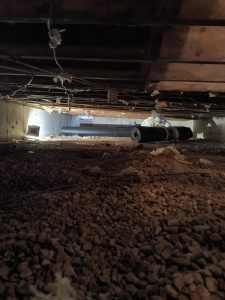
You may notice clues indoors before you inspect the crawlspace:
Congestion, coughing, or allergy symptoms can have many causes. If you have health concerns, speak with a healthcare professional; a crawlspace inspection can help identify possible moisture issues in the home.
Open vents are intended to help air circulate. During humid Wisconsin summers, however, outdoor air can bring additional moisture into a cooler crawlspace. That moisture may condense on framing or other surfaces.
The right approach depends on the home. An inspection should identify where water and humidity are coming from before vents are sealed or a vapor barrier is installed. Research from the U.S. Department of Energy shows that properly designed, closed crawlspaces can reduce humidity compared with traditional vented crawlspaces in humid conditions.

A crawlspace encapsulation plan may combine several measures:
Encapsulation helps manage moisture, but existing mold must also be addressed. Covering a damp area without fixing its water source can allow problems to continue.
A properly sealed and insulated crawlspace may reduce drafts and heat loss through the floor. Actual energy savings depend on the home’s existing insulation, air leaks, and heating and cooling system. The more immediate goal is to keep moisture away from framing and other materials beneath the house.
Barrier thickness and durability should match the conditions in the space and how it will be used. Ask your installer about puncture resistance, seam sealing, and how the liner will be secured around walls and support posts.
Warm, humid air entering a cooler crawlspace can add moisture and contribute to musty odors. Leaks or exposed damp soil may also be involved, so identifying the source matters.
There is no single lifespan for every system. Liner quality, installation, water control, and maintenance all affect performance. Inspect the space periodically and maintain any dehumidifier according to its instructions.
Musty odors, damp framing, or water beneath your home are worth investigating. Basement Repair Specialists can assess the moisture source and recommend a crawlspace waterproofing or encapsulation plan suited to your property.
Explore our crawlspace waterproofing services or schedule a free inspection for your home in the Appleton, Green Bay, Madison, or Milwaukee area.

Tom Trinko is the dedicated owner of Basement Repair Specialists, a company renowned for its expert solutions in basement and foundation repairs. With a strong commitment to excellence and customer satisfaction, Tom has led his team to become one of the leading providers in the industry. Under his guidance, Basement Repair Specialists have developed a reputation for their reliability, innovative repair techniques, and exceptional service. Tom’s leadership is defined by his vast industry knowledge, customer-first approach, and a steadfast dedication to providing homeowners with cost-effective, durable solutions for their basement and foundation needs. For more information about Tom Trinko and the services offered by Basement Repair Specialists, visit their website at https://basementrepairspecialists.com/.
Contact the Professionals at Basement Repair Specialists, LLC Today! (855) 554-7246