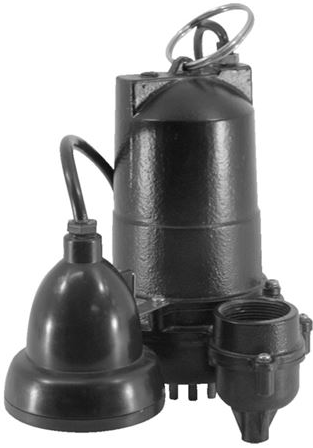
There are several factors to consider when evaluating a sump pump for your home. The pump itself is important, but its effectiveness also depends on the drain tile, sump crock, discharge line, electrical supply and amount of water the system must manage.
Below are answers to some of the most common questions homeowners ask about sump pumps and basement drainage systems.
Many homes in Wisconsin do not have drain tile systems. In some areas, the surrounding soil may allow water to drain effectively, while in other homes, a drain tile system may never have been installed.
Contrary to popular belief, drain tile requirements are not necessarily the same for every home or municipality. Building codes, construction dates, soil conditions and local requirements can affect whether a drainage system was required when the house was built.
Even when a home has not previously experienced water intrusion, a properly designed drainage system may provide valuable protection. Over time, moisture can collect next to foundation walls or beneath the basement floor, potentially contributing to seepage, hydrostatic pressure and foundation problems.
Homeowners experiencing persistent dampness, water at the wall-floor joint or standing water may benefit from having their drain tile system evaluated.
Having drain tile does not necessarily mean it is working properly.
Older drain tile systems may become clogged with sediment, damaged by soil movement or disconnected from the sump basin. Some older homes also have large foundation footprints that produce more water than a single sump crock and pump can reliably manage during a heavy downpour.
The discharge system can cause problems as well. Buried discharge lines may become clogged, crushed or frozen. A poorly placed outlet may release water too close to the foundation, allowing it to return to the drain tile and forcing the pump to remove the same water repeatedly.
Signs that a drain tile or sump pump system may not be working correctly include:
A professional inspection can help determine whether the problem involves the pump, drain tile, sump crock, discharge line or the overall capacity of the system.
When comparing sump pumps, homeowners should look beyond price and horsepower. Research the available options and consult a professional basement contractor or qualified plumber before choosing a system.
Basement Repair Specialists installs professional-duty pumps selected for dependable operation, efficient electrical use and longer service life. Depending on the available model and application, these pumps may include low-amperage motors and copper windings.
A lower amperage draw can reduce energy consumption and may lower the electrical demand when the pump starts. This can be particularly important during storms, when electrical systems may already be affected by power fluctuations or other equipment.
Higher horsepower does not automatically mean better performance. A pump’s effectiveness depends on several factors, including:
A more powerful pump connected to an undersized or poorly designed discharge line may not provide the expected improvement.
Basement Repair Specialists designs each sump pump system around the needs of the homeowner or property manager and provides a written estimate for the recommended work.
A primary sump pump normally depends on household electricity. If the power goes out during a storm—the same time the drainage system may receive the most water—the pump may stop operating.
A battery backup sump pump can provide additional protection during a power outage or primary pump failure. It should be sized for the property’s expected water volume and periodically inspected to confirm that the battery, alarm and backup pump are functioning properly.
A backup system does not eliminate every flooding risk, but it adds an important layer of protection for homes that depend on a sump pump to manage groundwater.
The systems installed by Basement Repair Specialists and other reputable contractors can be highly effective when properly designed, installed and maintained. These systems also typically include applicable workmanship or manufacturer warranty coverage.
However, a sump pump cannot guarantee that a basement will remain dry under every possible condition.
A river may overflow its banks, a sewer may back up, a discharge line may become obstructed or electrical power may fail. Water may also enter through windows, plumbing fixtures or openings outside the area managed by the sump pump and drain tile system.
A water-control system should therefore be designed around the identified source of the moisture, and homeowners should clearly understand what the proposed repair and warranty cover.
Homeowners may also want to speak with a licensed insurance professional about sewer-backup or sump-pump-failure coverage. Availability, price and coverage conditions vary by insurer and policy.
A sump pump should be inspected and tested periodically, particularly before seasons of heavy rain or snowmelt.
Homeowners should:
Regular maintenance can identify problems before the system is forced to manage a major storm.
Basement Repair Specialists assists homeowners with basement water problems, cracked or settling foundations, egress windows and crawlspaces.
Our team offers professional evaluations and written estimates. Appointments generally include time to inspect the problem, explain the findings and recommend an appropriate solution based on the property’s conditions.
Basement Repair Specialists accepts major credit cards and offers financing options for qualifying customers. Current financing terms and availability should be confirmed when requesting an estimate.
If you have questions about your drain tile or sump pump, contact Basement Repair Specialists to schedule an evaluation.

Tom Trinko is the dedicated owner of Basement Repair Specialists, a company renowned for its expert solutions in basement and foundation repairs. With a strong commitment to excellence and customer satisfaction, Tom has led his team to become one of the leading providers in the industry. Under his guidance, Basement Repair Specialists have developed a reputation for their reliability, innovative repair techniques, and exceptional service. Tom’s leadership is defined by his vast industry knowledge, customer-first approach, and a steadfast dedication to providing homeowners with cost-effective, durable solutions for their basement and foundation needs. For more information about Tom Trinko and the services offered by Basement Repair Specialists, visit their website at https://basementrepairspecialists.com/.
Contact the Professionals at Basement Repair Specialists, LLC Today! (855) 554-7246