
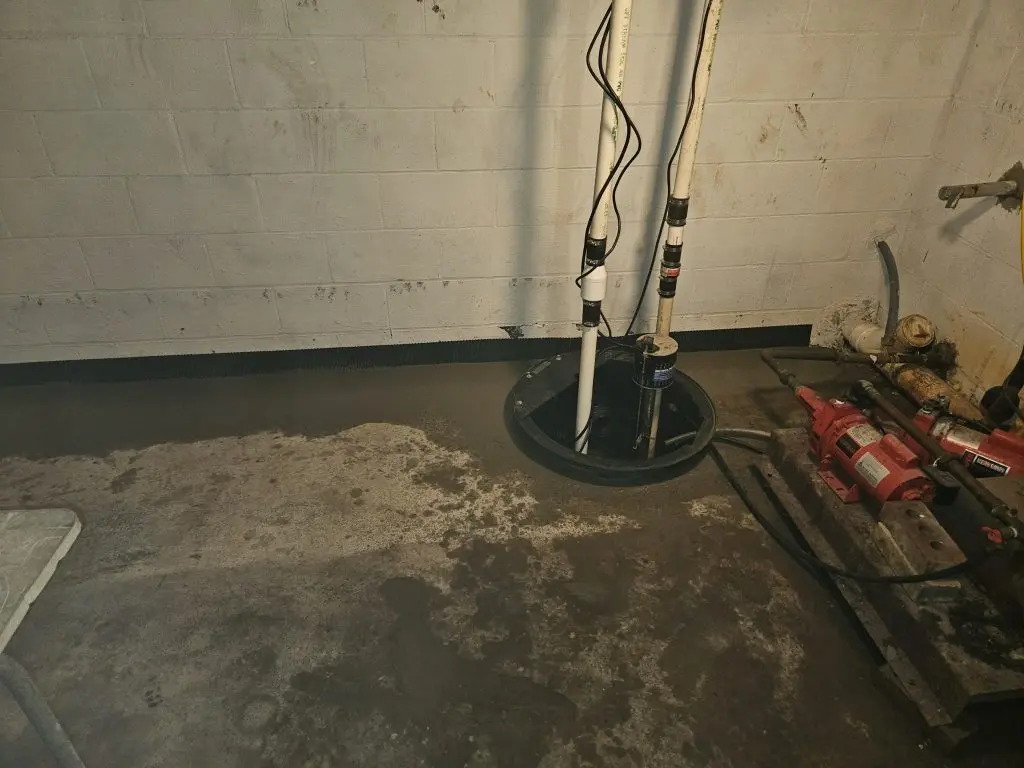
For Wisconsin homeowners, spring brings a welcome rise in temperatures—and a serious threat to basement spaces. As months of accumulated snow melt rapidly alongside heavy spring rains, millions of gallons of water saturate the surrounding soil. This annual shift creates the perfect storm for spring thaw basement flooding, putting immense pressure on your home’s below-grade defenses.
Understanding how groundwater behaves during a thaw, how your sump pump and drain tile systems work together, and how to spot early warning signs can mean the difference between a dry lower level and thousands of dollars in water damage repairs.
Spring flooding in the Upper Midwest differs significantly from summer storm runoff. While summer rain soaks into open, warm soil, late-winter thaws present a unique set of challenges:
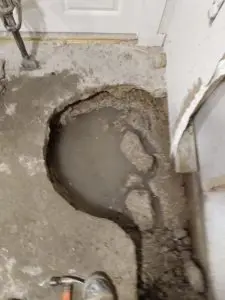
Many homeowners assume a sump pump alone prevents flooding. In reality, a sump pump relies entirely on an efficient drain tile system to route water into the pit.
An interior drain tile system consists of perforated PVC piping installed beneath the perimeter of your basement concrete floor slab. As water pressure builds beneath the floor, groundwater flows into the pipe perforations rather than forcing its way up through cracks or cove joints. The piping is sloped precisely to channel water safely toward your sump pump basin, continuously relieving hydrostatic pressure under the home.
Over time, original clay or corrugated drain tiles can crush, clog with sediment, or become choked with iron ochre (a naturally occurring rust-colored bacterial slime). When drain tile clogs, water pools beneath the slab, resulting in damp concrete floors, wall baseboard mold, and perimeter leaks during heavy thaws.
Your sump pump is the mechanical heart of your waterproofing defense. During a peak spring melt, a failure can cause a basement to flood in under an hour. Understanding why pumps fail helps you prevent a crisis before the thaw begins.
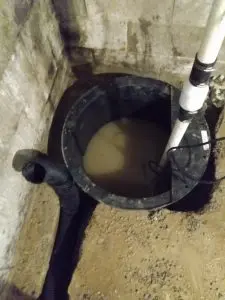
Relying on a single, primary sump pump during a Midwest spring thaw is a high-risk gamble. Installing a dual-pump setup equipped with a high-capacity battery backup system provides vital layer-of-defense security.
A smart battery backup system sits alongside your primary pump in the pit. If the main power fails, or if your primary pump cannot keep up with incoming water volume, the backup system automatically engages. Modern backup units feature dual-battery configurations capable of pumping thousands of gallons over 24 to 48 hours of power loss, complete with audible alarms or mobile phone alerts to keep you informed.
A: Water seeping through the perimeter edge (cove joint) is caused by high hydrostatic pressure beneath the slab. It typically indicates that your existing exterior or interior drain tile system is clogged, damaged, or overwhelmed by the local water table.
A: Perform a simple bucket test: pour 5 gallons of water directly into your sump pit. The float switch should rise smoothly, activate the pump immediately, evacuate the water within seconds, and turn off cleanly without making grinding noises.
A: Ensure your exterior discharge pipe slopes continuously downhill so water drains completely rather than pooling inside. Installing a specialized freeze-relief attachment (a vented elbow near the exterior wall) allows water to escape safely even if the end of the line freezes shut.
Don’t wait until water is seeping through your floorboards to discover your waterproofing system needs maintenance or repair. Taking proactive steps today saves thousands in structural repairs and mold remediation later.
Keep your home dry and secure this spring season. Contact Basement Repair Specialists, LLC today at (855) 755-4811 or fill out our quick online form to schedule your comprehensive sump pump, battery backup, or drain tile inspection in Appleton, Green Bay, Madison, or Milwaukee!

Tom Trinko is the dedicated owner of Basement Repair Specialists, a company renowned for its expert solutions in basement and foundation repairs. With a strong commitment to excellence and customer satisfaction, Tom has led his team to become one of the leading providers in the industry. Under his guidance, Basement Repair Specialists have developed a reputation for their reliability, innovative repair techniques, and exceptional service. Tom’s leadership is defined by his vast industry knowledge, customer-first approach, and a steadfast dedication to providing homeowners with cost-effective, durable solutions for their basement and foundation needs. For more information about Tom Trinko and the services offered by Basement Repair Specialists, visit their website at https://basementrepairspecialists.com/.
Contact the Professionals at Basement Repair Specialists, LLC Today! (855) 554-7246