

Ever noticed dampness, water stains, or even puddles in your basement? You’re not alone. Basement leaks are a common nuisance that can lead to serious consequences if not addressed. They’re typically caused by poor drainage, hydrostatic pressure, and structural issues. But don’t panic, there are effective ways to fix these leaks and keep your basement dry. Let’s explore the common causes and solutions, and you’ll soon be equipped to tackle any basement leaks head-on. Want to know more? Let’s get started.
Despite your best efforts, it’s possible to find your basement soaked with water. This alarming discovery can be frustrating and overwhelming, but don’t panic. Understanding the issue is a critical first step to addressing it.
Not all basement leaks are created equal. Some are minor seepages, while others are full-blown floods. They can occur sporadically, during heavy rainfall, or persist even in dry weather. You might notice wet spots on the floor or walls, a musty smell, or peeling paint. These are all signs of a potential leak.
Identifying the source of the leak is essential. Water can enter your basement in multiple ways – through cracks in the walls or floor, through faulty window wells, or due to poor drainage.
However, leaks can also be caused by plumbing issues or condensation, which aren’t strictly ‘leaks’ but can still result in a wet basement.
Let’s now turn our attention to the most common causes of basement leaks.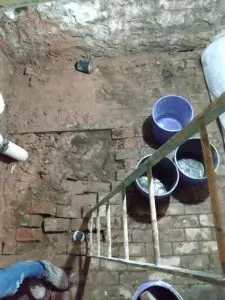
Understanding where these leaks originate, along with the impact of poor drainage and structural issues, is key to preventing and addressing this problem.
A myriad of factors can lead to basement leaks, making it essential to identify the source for effective remediation. But how do you pinpoint the cause? You’ll need a keen eye and, sometimes, professional help.
Start by examining the walls and floors. If you notice damp spots or pooling water, there’s likely a leak nearby. Look for signs of efflorescence, a white, powdery substance that forms when water evaporates from concrete, brick, or stone. This can indicate a long-standing leak.
Cracks in the walls or floor can also harbor leaks. They may be small and hard to spot, so a thorough inspection is necessary. Remember, not every crack is a problem, but they’re often a gateway for water, especially when they widen over time.
Window wells can be another source. If they’re not properly sealed or if the drain is blocked, water can seep in.
Lastly, check the tie rods. These are the small holes left in the concrete walls from the forming process during construction. If they’re not properly filled, they can let in water.
Identifying the source of a basement leak can be a challenge, but it’s the first step towards a dry, safe basement.
You mightn’t realize it, but poor drainage plays a major role in causing basement leaks. When your property’s drainage system isn’t working correctly, water doesn’t flow away as it should, leading to pooling near your home’s foundation. This excess water can then seep into your basement, causing leaks and potential damage.
Faulty or blocked gutters are often to blame. When they’re clogged with leaves or other debris, they can’t direct rainwater away from your home. Instead, water overflows, accumulating around the foundation.
Similarly, downspouts that aren’t positioned correctly or are too close to the house can also contribute to the problem, directing water towards your foundation instead of away from it.
Sloping terrain can exacerbate drainage issues as well. If your yard slopes towards your home, rainwater naturally flows towards the foundation. Ideally, your yard should slope away from your property to direct water away.
Lastly, the soil type around your home can affect drainage. Clay soils, for instance, retain water, while sandy soils drain quickly.
If you’re dealing with poor drainage and basement leaks, it’s critical to address these issues to protect your home.
While poor drainage certainly contributes to basement leaks, cracks and structural issues in your home’s foundation can equally be to blame. Over time, even minor foundation cracks can expand, allowing water to seep into your basement. This problem becomes more severe during wet periods when the surrounding soil is saturated with water, increasing pressure on your home’s foundation.
What causes these cracks? Often, it’s due to house settling, shrinkage, and sometimes poor construction. Settling happens when the soil beneath your home compresses or shifts, causing the foundation to move. This movement leads to cracks, which become gateways for water to enter your basement.
Shrinkage cracks occur when your foundation dries out and contracts, while poor construction can lead to inadequate structural integrity from the start.
To fix these issues, you’ll need a professional foundation repair expert. They’ll assess the situation and recommend the best repair method, which could range from epoxy injections to seal minor cracks, to more extensive repairs like installing piers to stabilize your foundation.
Regularly inspect your foundation for cracks or signs of structural issues, so you can catch and fix problems early. Remember, prevention is always better than a cure.
You’ve identified your basement leaks, but have you considered hydrostatic pressure as the main culprit?
This silent offender is the pressure exerted by a fluid due to gravity, and it can wreak havoc on your basement’s integrity.
We’re going to take a close look at understanding this phenomenon and explore practical solutions to address these pressure leaks.
Hydrostatic pressure often plays the villain when it comes to basement leaks. But what’s it, exactly? And what’s its role in your basement’s water woes? Let’s explore the details.
Simply put, hydrostatic pressure is the pressure exerted by a fluid at equilibrium due to the force of gravity. You can think of it as the weight of water pushing against your basement walls and floor.
When the groundwater levels around your home rise, so does the hydrostatic pressure. This increased pressure can force water into your basement through cracks, joints, and porous material, causing leaks.
It’s also worth noting that hydrostatic pressure isn’t a constant force. It can change with the weather and seasons. Heavy rainfall or melting snow can cause a sudden increase in groundwater levels, and consequently the hydrostatic pressure. Conversely, during dry periods, the pressure may decrease.
In essence, understanding hydrostatic pressure is key to deciphering the puzzle of basement leaks. It’s a dynamic, powerful force that can wreak havoc on your home’s foundation and basement if not properly managed.
But don’t worry, there are solutions to keep it in check, which we’ll explore in the next section.
Now that we’ve demystified the concept of hydrostatic pressure and its pivotal role in causing basement leaks, let’s shift our focus to finding solutions for these pressure leaks.
Firstly, you’ll want to implement proper drainage around your home. This includes ensuring that your gutters and downspouts are functioning correctly and that water is being directed away from your home’s foundation.
A French drain system can also aid in reducing hydrostatic pressure by diverting water from your home.
Another effective strategy is to waterproof your basement. This can be done by applying a waterproofing sealant to your basement walls. This sealant acts as a barrier, preventing water from seeping through your walls and into your basement.
Lastly, consider installing a sump pump in your basement. A sump pump removes water that has accumulated in a sump basin, usually found in the basement of homes.
When it comes to basement leaks, poor drainage plays a significant role. You see, if water isn’t properly channeled away from your home, it can accumulate around the foundation, creating pressure that can lead to leaks.
Now, you might be wondering, “What causes poor drainage?” Well, it can be a result of multiple factors. One of the most common is improperly graded soil. If the ground around your home slopes towards, instead of away from your foundation, water can pool and seep into your basement.
Additionally, clogged or improperly installed gutters and downspouts can also contribute to poor drainage.
Fixing poor drainage isn’t as challenging as it may seem. Start by checking the slope of your soil. You want a gentle downward gradient away from your home. If needed, add soil to create this slope.
Next, examine your gutters and downspouts. They should be clean, free of debris, and direct water at least five feet away from your foundation.
Cracks in your basement walls can often be the silent culprits behind those pesky leaks. They’re not just aesthetic issues, but potential channels for water intrusion.
While some cracks form due to age, others may indicate a more serious problem like shifting foundations or pressure from soil outside.
For small, non-structural cracks, you can typically handle the fix yourself. Start by cleaning the crack and surrounding area.
Then, apply a waterproof masonry sealer, which you’ll find at most home improvement stores. This seals the crack and helps prevent future water intrusion.
But if you’re dealing with larger, structural cracks, don’t attempt a DIY fix. These might signal serious foundation issues that require a professional’s attention.
An expert can determine the cause and suggest the best solution, such as an epoxy injection or even more extensive repairs.
Spotting the signs of basement leaks early can make all the difference in preventing serious water damage.
It’s crucial that you’re aware of the telltale signs to guarantee you catch any potential leaks before they escalate into a much larger problem.
Firstly, look for visible water. This may seem obvious, but standing water or wet spots on floors or walls can be a clear indication of a leak.
Secondly, watch for a musty odor. Basements are typically cooler and damp, but an unusual smell can be a sign of stagnant water.
Thirdly, check for mold. Mold thrives in damp environments, so if you notice any, it’s likely there’s a leak.
Also, pay attention to cracks in the walls or floor. While not all cracks are indicative of leaks, those that are widening, have a white powdery substance, or are leaking water should be taken seriously.
After identifying the signs of basement leaks, it’s time to address them before they cause any more damage.
The first step is to determine the source of the leak. This might be a cracked pipe, a faulty window seal, or a wall with water seeping through. Once you’ve found the source, you can take appropriate action.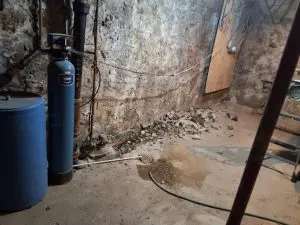
If you’ve in fact got a cracked pipe, call in a professional plumber. They’re equipped to handle such repairs and can guarantee it’s done correctly.
If the leak is coming from a faulty window seal, you can reseal it yourself. Just clean the area, apply a fresh layer of sealant, and let it dry.
For leaks from walls, you’ll likely need to repair your foundation. This is a job for professionals.
They’ll excavate around your home, apply a waterproof membrane to your foundation, and backfill the soil. This is an extensive job, but it’s necessary to completely stop the leak.
While it’s crucial to fix existing leaks, it’s equally important to prevent future ones from occurring. Prevention is the key to maintaining a dry, safe basement. Here’s how.
First off, inspect your gutters and downspouts. They’re your first line of defense against basement leaks. Verify they’re not clogged and they channel water at least 5 feet away from your foundation. If they’re not, water can pool around your house, increasing the potential for leaks.
Next, examine your landscape. It should slope away from your home to keep water from accumulating near your foundation. If it doesn’t, consider regrading or adding a French drain system.
Also, look at your basement walls for any cracks or signs of moisture. Seal any cracks you find with a waterproofing compound. If you have persistent moisture issues, it might be worth investing in a professional waterproofing system.
Remember, an ounce of prevention is worth a pound of cure. Regularly inspect and maintain your drainage systems to keep your basement dry. Don’t ignore minor leaks; they can lead to bigger problems. If you find any signs of leaking, take action immediately. Install French drains or sump pumps, seal wall cracks, and adjust your downspouts. Stay proactive to keep your basement leak-free and save on costly repairs down the road.

Tom Trinko is the dedicated owner of Basement Repair Specialists, a company renowned for its expert solutions in basement and foundation repairs. With a strong commitment to excellence and customer satisfaction, Tom has led his team to become one of the leading providers in the industry. Under his guidance, Basement Repair Specialists have developed a reputation for their reliability, innovative repair techniques, and exceptional service. Tom’s leadership is defined by his vast industry knowledge, customer-first approach, and a steadfast dedication to providing homeowners with cost-effective, durable solutions for their basement and foundation needs. For more information about Tom Trinko and the services offered by Basement Repair Specialists, visit their website at https://basementrepairspecialists.com/.
Contact the Professionals at Basement Repair Specialists, LLC Today! (855) 554-7246