
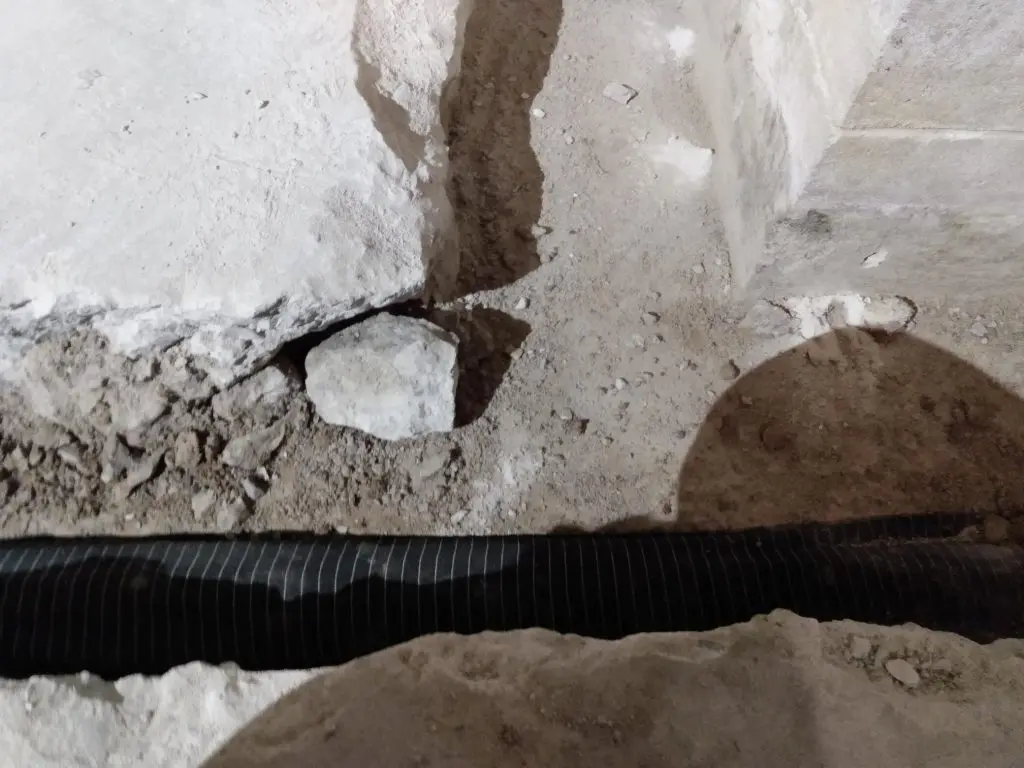
You’ve probably heard about drain tiles in the context of waterproofing systems, but do you truly understand their importance? These unsung heroes, installed around your home’s foundation, play a significant role in managing groundwater and ensuring the structural integrity of your property. They are your first line of defense against water damage and mold growth. Yet, there’s more to these perforated pipes that meet the eye. Have you ever wondered how they work, or how to maintain them? There’s a world beneath your feet waiting to be explored.
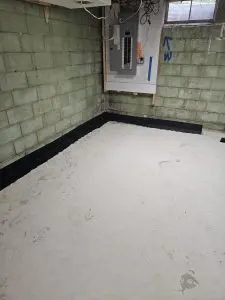
A drain tile system, often just called a ‘drain tile,’ isn’t really a tile at all. It’s a type of piping used to remove water from around the foundations of your home.
This system is typically installed during construction, placed alongside or under your home’s foundation. The pipe used is often a flexible, perforated pipe, which allows water to enter it, while preventing soil and debris from clogging up the works. This pipe is then covered with gravel or another loose material that can filter out larger debris.
Water naturally seeks the path of least resistance, so when it rains, water will flow into the drain tile system rather than pooling around your foundation. The water is then directed away from your home, either to a sump pump for expulsion or to a storm drain system.
Fundamentally, a drain tile system is your home’s silent, unseen guard against water damage. So now you know!
You’ve got a handle on what drain tile systems are, now let’s discuss why they’re essential in waterproofing.
Consider how understanding their function can enhance your approach to their installation.
Plus, we’ll touch on some maintenance tips to guarantee your drain tile continues to serve its purpose effectively.
Imagine your basement free from water leakage and damage. It’s a comforting thought, isn’t it? This kind of peace of mind is what drain tile systems offer.
So, what’s a drain tile? It’s not a tile, but a pipe. Picture a perforated pipe, surrounded by gravel, and hidden underground around the perimeter of your house. Its primary function is to collect excess water from the soil and divert it away from your foundation.
You see, water pressure builds up around your foundation due to rain or melting snow. This pressure, known as hydrostatic pressure, can cause serious damage, including cracks and leaks. That’s where drain tiles come to the rescue. They reduce this pressure and prevent water from seeping into your basement.
But don’t think drain tiles only protect basements. They’re essential for any building with a below-ground level, like a garage or storage space.
And they don’t just protect against water; they also help prevent structural damage and mold growth.
Understanding how drain tiles work is the first step in keeping your property safe and dry.
And remember, a well-functioning drain tile system is the cornerstone of any effective waterproofing strategy.
Now that you’ve got a grip on how drain tiles function, let’s move onto their installation. Proper installation is key to a successful waterproofing system. You’ll start by digging a trench around the perimeter of your home’s foundation. The depth and width of the trench will depend on the size and design of your drain tile.
Next, you’ll place a layer of gravel in the trench. This aids in water filtration and provides a stable base for the drain tile. Then, it’s time to lay down the drain tile, making certain it slopes away from your home.
| Steps | Materials | Tips |
|---|---|---|
| Digging Trench | Shovel, Pickaxe | Depth and width depend on drain tile size |
| Laying Gravel | Gravel, Rake | Assists in filtration and stability |
| Laying Drain Tile | Drain Tile, Level | Make certain slope away from house |
Lastly, you’ll cover the drain tile with more gravel, then fill the rest of the trench with soil. The soil should be compacted to prevent settling. Voila! You’ve just installed your drain tile. Remember, proper installation guarantees the drain tile’s effectiveness in your home’s waterproofing system.
While it’s vital to install your drain tile correctly, it’s equally important to maintain it properly. Without regular maintenance, your drain tile system may fail, compromising the waterproofing of your basement.
Firstly, you should regularly check for blockages. Debris like leaves, dirt, or roots can clog your drain tile, causing water to back up. If you notice water pooling around your home after a heavy rain, it’s a sign your drain tile might be blocked.
Secondly, consider investing in a drain tile inspection camera. This handy tool can provide a clear view of what’s happening inside your pipes and help detect any potential problems like cracks or blockages.
Lastly, it’s vital to keep your sump pump in good working order. Your sump pump is the heart of your drain tile system, and if it fails, your basement could flood.
To sum it up:
You may wonder how drain tile systems work.
Let’s start by understanding the basics of these systems, then we’ll look at why waterproofing is so essential.
Understanding the basics of a drain tile system is essential when dealing with waterproofing systems.
It’s a simple concept: these systems are designed to collect and redirect water away from your home’s foundation.
Imagine a pipe with perforations throughout its length. This pipe, typically made of PVC, is laid around your home’s perimeter and buried. When water seeps into the ground, it’s collected by the perforations in the pipe, then redirected away from your house. The pipe’s interior remains dry, ensuring that water doesn’t stand or pool around your foundation.
You might be wondering, “What happens to the water once it’s collected?” Well, it’s usually directed to a sump pump or gravity drain that leads to a safe distance away from your home.
Here’s a quick rundown of the basics:
In the grand scheme of home maintenance, the importance of waterproofing, particularly how drain tile systems work, can’t be overstated. It’s not just about preventing water from seeping into your basement; it’s about safeguarding the structural integrity of your entire home.
Imagine your home as a ship. Just as a ship’s hull protects it from the sea, your home’s drain tile system functions as a barrier against groundwater. When it rains, water seeps into the ground and builds pressure. Without a drain tile system to relieve this pressure, water can force its way into your home, causing dampness, mold, and even structural damage.
A properly functioning drain tile system diverts this water away from your home. The tiles, which are actually perforated pipes, are buried around your home’s foundation. As groundwater rises, it flows into the tiles and is directed away from your home, keeping your basement dry and your foundation safe.
Now that we’ve explored the importance of waterproofing and how drain tile systems function as a protective barrier for your home, let’s discuss how to install and maintain these systems.
You might think it’s a complex process, but with careful planning and the right tools, it’s something you can manage.
To install a drain tile system, you’ll first need to dig a trench around the perimeter of your home. This trench should be deep enough to reach the foundation footings.
Place the drain tile in this trench, making sure it slopes away from your house. Next, cover the drain tile with gravel, then backfill the trench with soil.
Maintaining your drain tile system is a relatively simple task. Here are a few key points:
Let’s dive right into the installation process of drain tiles. First, you’ll need to dig a trench around the perimeter of your property, ensuring it’s deep enough to reach the footer of the foundation. This trench will house your drain tile system.
Next, you’ll lay down a layer of gravel in your trench, which helps with water filtration. Then, you’ll place your drain tiles on top of this gravel layer, ensuring they’re sloping away from your foundation. Once the drain tiles are in place, you’ll cover them with more gravel before backfilling the trench with soil.
To help visualize, here’s a table illustrating the steps:
| Steps | Material Needed | Purpose |
|---|---|---|
| Dig Trench | Shovel/Excavator | Create space for drain tile |
| Lay Gravel | Gravel | Aid water filtration |
| Install Drain Tiles | Drain Tiles | Redirect water away from foundation |
| Cover with Gravel | Gravel | Protect drain tiles |
| Backfill Trench | Soil | Restore ground surface |
Despite their practicality, drain tile systems aren’t without their drawbacks. Like any other system, they’re susceptible to issues that, if left unchecked, can lead to big headaches for you.
First off, you may experience clogging. Over time, sediment, roots, and debris can build up in your drain tiles, restricting water flow. This impediment leads to inefficient drainage, causing water to seep into your basement or crawl space.
Secondly, breaks or cracks can occur in the drain tile. These are often caused by tree roots, shifting soil, or simply the system’s age. When a break happens, the water flow is disrupted, and the effectiveness of your drain system diminishes.
Lastly, improper installation can lead to significant problems. If the system isn’t properly sloped or positioned, it simply won’t work as it should.
To sum up, here are the common issues:
Recognizing these common issues is the first step towards effectively maintaining your drain tile system. Keep a lookout for these problems to keep your system in top shape.
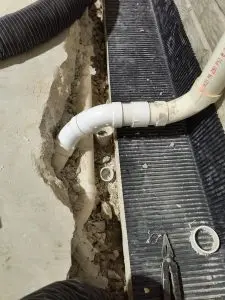
It’s not just about installing it and forgetting it. You’ve got to take action to guarantee its longevity and effectiveness.
Firstly, keep your gutters clean. Clogged gutters can cause water to overflow and saturate the soil around your foundation, putting pressure on your drain tile system.
By keeping gutters clear, you’re helping to reduce this unnecessary strain.
Secondly, inspect your drain tile system regularly. Look for signs of damage or blockage.
If you notice water pooling in certain areas around your home, it could indicate a problem.
Don’t wait for the issue to worsen; act immediately to rectify it.
Lastly, consider professional maintenance. Experts can carry out a more thorough check, identifying and fixing issues you may miss.
They can clean your drain tile system, guaranteeing it continues to function efficiently.
It’s an investment in your home’s health and your peace of mind.
So, you see, drain tiles play a pivotal role in waterproofing systems. They effectively manage groundwater, protecting your foundation from potential damage. Despite the occasional issues, with proper installation and maintenance, they’re a worthwhile investment. Not only do they keep your basement dry, but they also boost your property’s value. Don’t underestimate the importance of a good drain tile system in your waterproofing strategy. It’s worth its weight in gold.

Tom Trinko is the dedicated owner of Basement Repair Specialists, a company renowned for its expert solutions in basement and foundation repairs. With a strong commitment to excellence and customer satisfaction, Tom has led his team to become one of the leading providers in the industry. Under his guidance, Basement Repair Specialists have developed a reputation for their reliability, innovative repair techniques, and exceptional service. Tom’s leadership is defined by his vast industry knowledge, customer-first approach, and a steadfast dedication to providing homeowners with cost-effective, durable solutions for their basement and foundation needs. For more information about Tom Trinko and the services offered by Basement Repair Specialists, visit their website at https://basementrepairspecialists.com/.
Contact the Professionals at Basement Repair Specialists, LLC Today! (855) 554-7246